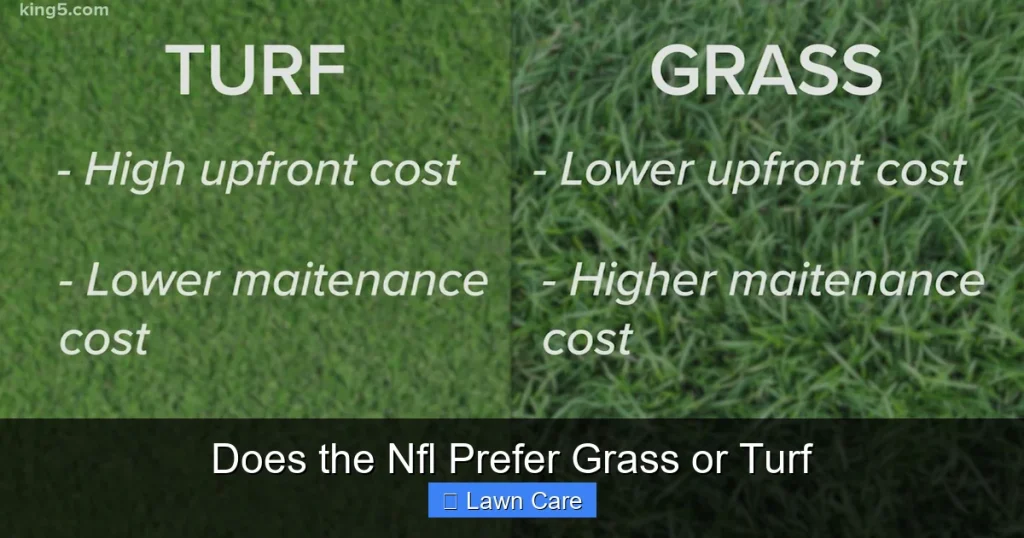
The NFL’s preference between grass and turf is a complex debate with strong arguments on both sides. While natural grass offers a traditional feel and certain performance benefits, modern turf fields have made significant strides in replicating playing conditions and reducing maintenance. Ultimately, the decision often hinges on a balance of player safety, maintenance capabilities, and the specific needs of each stadium.
The roar of the crowd, the crack of pads, the thunder of a perfectly thrown pass – these are the sounds and sights that define American football. And beneath it all, the very ground on which these athletic feats are performed is a critical, often overlooked, element. For decades, the question of whether the NFL prefers grass or turf has been a recurring debate, influencing player health, game strategy, and even the aesthetics of the sport. It’s not a simple black-and-white answer, but rather a landscape of evolving technology, athlete concerns, and practical realities.
In the early days of professional football, natural grass was the undisputed king of the gridiron. It was the surface every player knew, trained on, and expected. The organic nature of grass offered a certain give and resilience, seemingly more forgiving than the hard-packed dirt fields that were common in other sports. However, as the game became faster, more powerful, and the demands on athletes increased, the limitations of natural grass began to surface. Wear and tear, weather dependency, and the sheer intensity of professional play led to uneven surfaces and a need for constant, meticulous upkeep. This paved the way for the introduction and subsequent evolution of artificial turf.
Today, the NFL landscape is a mix of both natural grass and artificial turf fields. While there’s no official NFL mandate dictating one over the other, the choice is a significant one for each team and stadium. This article delves into the heart of the grass versus turf debate, exploring the arguments, the science, and the practical considerations that shape the NFL’s choices.
- Historically, natural grass was the standard in the NFL, favored for its feel and perceived safety.
- Modern artificial turf has evolved significantly, offering improved cushioning and playing characteristics.
- Player safety is a primary concern, with ongoing research into injury rates on both surfaces.
- Maintenance and cost play a crucial role in stadium decisions, with turf often being more predictable.
- Climate and stadium usage heavily influence the viability of natural grass.
- The NFL does not have a universal mandate for either surface, allowing individual teams to choose.
- Both grass and turf have distinct pros and cons that impact game play, athlete performance, and long-term costs.
Quick Answers to Common Questions
What is the primary historical preference in the NFL for playing surfaces?
Historically, natural grass was the preferred playing surface in the NFL due to tradition and perceived benefits for player comfort and game play.
How has artificial turf evolved to address concerns?
Modern artificial turf systems have evolved with advanced cushioning, shock-absorbent pads, and better in-fill materials to better mimic natural grass and improve player safety.
Is there an official NFL mandate for grass or turf?
No, the NFL does not have a universal mandate. Individual teams and stadiums have the discretion to choose between natural grass and artificial turf based on their specific needs and circumstances.
What are the main challenges of maintaining natural grass fields in the NFL?
Maintaining natural grass fields is challenging due to their susceptibility to weather conditions, heavy wear and tear from games, and the intensive labor and resources required for upkeep.
Does research definitively show one surface is safer than the other?
Research on injury rates on grass versus turf has yielded mixed and often inconclusive results, making it difficult to definitively state that one surface is consistently safer than the other.
📑 Table of Contents
The Enduring Appeal of Natural Grass
For many traditionalists, athletes, and fans, natural grass remains the gold standard. There’s an undeniable aesthetic and sensory experience that comes with a perfectly manicured grass field. Beyond the visual appeal, there are perceived benefits for player performance and safety, though these are often debated.
Player Comfort and Feel
Many players express a preference for playing on natural grass. They often describe a more natural feel underfoot, with a certain give and shock absorption that they believe reduces stress on their joints, particularly their knees and ankles. The ability of grass to “give” slightly as a player plants their foot or pivots is something that many find more comfortable and less jarring than the firmer surface of some turf fields. This perception of comfort can translate to a player’s confidence in their ability to make sharp cuts and explosive movements.
Traditional Game Play
Natural grass can influence the way the game is played. The bounce of the ball, the ability to make precise tackles, and the way players grip the surface can all be subtly different on grass. For teams that have historically played on grass, their offensive and defensive schemes might be tailored to these characteristics. This traditional aspect of the game is something that many football purists cherish and want to preserve.
Environmental Considerations
While the energy and water required to maintain high-quality grass fields can be substantial, there’s also an argument for the environmental benefits of living turf. Grass naturally absorbs carbon dioxide and releases oxygen, contributing to a healthier environment. It also provides a habitat for insects and microorganisms, contributing to a more natural ecosystem within the stadium.
Challenges of Maintaining Grass
Despite its advantages, natural grass comes with significant challenges. Maintaining a pristine NFL-caliber grass field is an enormous undertaking. It requires constant attention to watering, mowing, fertilization, aeration, and pest control. Even with the best care, weather can wreak havoc. Heavy rain can turn a field into a muddy quagmire, while prolonged dry spells can lead to yellow, brittle patches. Furthermore, the intense wear and tear from professional football games can quickly degrade even the most well-maintained grass. This is why teams with grass fields often have sophisticated drainage systems and specialized grounds crews working around the clock. For example, understanding does watering grass in the sun burn it is a crucial piece of knowledge for maintaining any healthy lawn, let alone an NFL field.
The Rise of Artificial Turf
Visual guide about Does the Nfl Prefer Grass or Turf
Image source: img.freepik.com
Artificial turf, once a novelty, has become a sophisticated and increasingly popular choice for NFL stadiums. Early iterations of artificial turf were notoriously hard and abrasive, leading to concerns about player safety. However, modern turf systems are vastly different, incorporating advanced materials and in-fill technologies to mimic the playing characteristics of natural grass more closely.
Durability and Consistency
One of the most significant advantages of artificial turf is its durability and consistency. Unlike grass, turf is largely unaffected by weather conditions. It can withstand heavy use, extreme temperatures, and precipitation without deteriorating. This means stadiums can host multiple events – from NFL games to concerts and other sporting events – without significant concern for field damage. This consistency also means the playing surface remains relatively uniform throughout the season, which can be beneficial for game planning and player execution.
Reduced Maintenance and Costs
While the initial installation cost of artificial turf can be high, the long-term maintenance costs are often lower and more predictable than those of natural grass. Turf fields don’t require daily watering, mowing, or fertilizing. They need regular brushing and occasional cleaning, but the labor and resource demands are significantly reduced. This can be a major factor for stadiums that have limited groundskeeping staff or tight budgets. The pros and cons of artificial turf vs natural grass are a key consideration for these decisions.
Technological Advancements
Modern artificial turf systems are engineered for performance and safety. They often incorporate shock-absorbent pads beneath the turf fibers and use various types of in-fill materials, such as sand, rubber pellets, or a combination thereof. These elements are designed to provide cushioning, reduce impact forces, and allow for better traction and grip, aiming to replicate the feel and safety of natural grass. Some newer systems even use advanced fibers and infill designed to reduce heat buildup, a common complaint about older turf fields.
Concerns with Artificial Turf
Despite the advancements, concerns about artificial turf persist. Some players and medical professionals still believe that turf surfaces can contribute to higher rates of certain injuries, particularly non-contact injuries like ACL tears and ankle sprains. The perceived lack of “give” in the surface can sometimes lead to unnatural twisting or catching of the cleat, increasing the risk of a sprain. Heat retention is another issue; even with cooling technologies, turf fields can become significantly hotter than grass fields on sunny days, which can impact player performance and lead to heat-related illnesses.
The Player Safety Debate
The most contentious aspect of the grass versus turf debate is player safety. Numerous studies have been conducted, and the results are often conflicting or inconclusive, leading to ongoing debate.
Injury Statistics: A Murky Picture
Research into injury rates on grass versus turf has yielded mixed results. Some studies suggest a higher incidence of certain injuries on artificial turf, while others find no significant difference or even a higher rate of injuries on grass. Factors like the type of turf system, the age and condition of the field, player experience, and the specific type of injury being analyzed can all influence the outcomes. The NFL, along with the NFL Players Association (NFLPA), continually monitors injury data and supports research aimed at understanding the relationship between playing surfaces and athlete health.
The Role of Footwear
The type of footwear worn by players can also play a significant role in injury rates on both surfaces. Cleats designed for grass may perform differently on turf, and vice versa. The NFL has regulations on cleat length and design, and ongoing discussions occur between the league, players, and manufacturers to ensure footwear is optimized for safety and performance on all playing surfaces.
Athlete Perception vs. Data
A persistent challenge is reconciling the subjective experiences and perceptions of athletes with the objective data from injury studies. Many players *feel* that grass is safer, and this feeling can impact their confidence and how they play. While subjective experience is important, it’s not always a direct indicator of objective risk. The NFL must weigh both the empirical evidence and the concerns of its athletes when making decisions about field surfaces.
Climate and Location Considerations
The geographic location and climate of an NFL stadium play a massive role in the feasibility and preference for either grass or turf.
The North vs. The South
In colder climates, maintaining natural grass through harsh winters can be exceptionally difficult and costly. The growing season is shorter, and the risk of winter kill or damage from snow and ice is higher. For these regions, artificial turf often presents a more practical and reliable solution. Conversely, in warmer climates, natural grass can thrive, provided adequate water and sunlight are available. However, even in warm climates, the intense wear and tear from year-round football and other stadium events can make grass maintenance a constant battle. For example, stadiums in arid regions might find it incredibly difficult to keep grass healthy. You might wonder is Arizona Cardinals stadium grass or turf or more specifically, is Arizona Cardinals field grass or turf as a way to understand these regional challenges.
Indoor vs. Outdoor Stadiums
Indoor stadiums present a unique challenge for natural grass. While some indoor stadiums have sophisticated systems for growing and maintaining grass, it’s often a complex and expensive endeavor. The lack of natural sunlight and the controlled environment can impact grass growth and require specialized lighting and climate control. As a result, many indoor stadiums opt for artificial turf, which is far more manageable in such settings.
The NFL’s Approach: No One-Size-Fits-All
The NFL does not have a strict policy that mandates all stadiums use either grass or turf. Instead, the decision is largely left to individual teams and stadium management. This allows for flexibility based on a variety of factors, including budget, climate, stadium usage, and player preferences.
Team Preferences and Historical Choices
Some teams have a long history with natural grass and a strong desire to maintain that tradition. Others have embraced the advancements in artificial turf and see it as a more practical solution for their specific circumstances. The Kansas City Chiefs, for instance, have historically been strong proponents of playing on natural grass, investing heavily in its maintenance.
The Evolving Landscape
The landscape of NFL playing surfaces is constantly evolving. As turf technology improves and as more research is conducted on player safety, teams and the league continue to re-evaluate their choices. There is a continuous push and pull between tradition, player well-being, and the practical realities of managing a world-class sporting venue. The conversation around what is the best grass seed for lawn repair might seem distant, but the principles of creating a resilient and healthy playing surface are similar across different applications.
Conclusion: A Continuing Dialogue
The question of whether the NFL prefers grass or turf doesn’t have a simple answer. Both surfaces have compelling arguments in their favor, and both come with their own set of challenges. Natural grass offers a traditional feel and perceived benefits that many players and fans cherish. However, its susceptibility to weather and wear makes it a demanding choice for many stadiums. Artificial turf has made incredible strides in replicating playing conditions and offers unparalleled durability and consistency, but concerns about player safety and heat retention linger.
Ultimately, the decision for each NFL stadium is a nuanced one, balancing player safety, performance, maintenance costs, climate, and tradition. The ongoing research and technological advancements in playing surfaces suggest that this debate will continue for years to come. As the league strives to provide the safest and best possible playing environment for its athletes, the dialogue between grass and turf will remain a critical aspect of the NFL’s operational considerations. The pursuit of the perfect playing field is a marathon, not a sprint, and one that involves constant innovation and adaptation.
Frequently Asked Questions
Which surface is generally considered more durable for high-volume stadium usage?
Artificial turf is generally considered more durable for high-volume stadium usage because it is less susceptible to weather damage and extreme wear and tear compared to natural grass.
Are there specific types of injuries more associated with artificial turf?
Some studies and player reports suggest a higher association of non-contact injuries, such as ACL tears and ankle sprains, with artificial turf, although research remains divided.
Does the NFL conduct its own research on playing surfaces?
Yes, the NFL actively monitors injury data and supports research aimed at understanding the relationship between playing surfaces and athlete health, often in collaboration with the NFLPA.
Can artificial turf get very hot?
Yes, artificial turf can get significantly hotter than natural grass on sunny days due to heat absorption, although newer technologies aim to mitigate this issue.
What factors influence an NFL team’s decision to choose grass or turf?
Factors influencing the decision include climate, budget for maintenance, intended stadium usage (e.g., multiple events), player health concerns, and historical team traditions.
Is the playing experience truly identical on grass and modern turf?
While modern turf aims to replicate grass, there are still subtle differences in ball bounce, player traction, and impact absorption that can affect the playing experience.