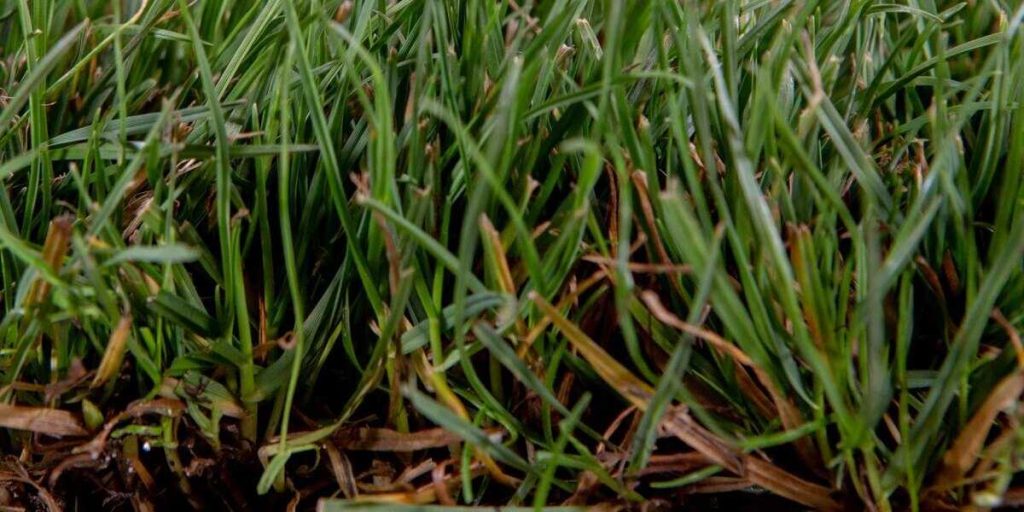
Yes, perennial ryegrass typically comes back year after year, making it a popular choice for lawns and sports fields. Its resilience and quick recovery after mowing or damage mean your yard stays lush and green with minimal effort. However, its reappearance depends on proper care and environmental conditions.
Perennial ryegrass is known for its durability and ability to regrow rapidly, especially in cooler seasons. If maintained properly—through adequate watering, fertilizing, and aeration—it can thrive season after season. This grass type is an excellent option for those looking for a dependable, vibrant lawn that bounces back quickly from wear and tear.
Starting a lawn with perennial ryegrass is like planting a hardy, quick-to-recover friend that keeps your outdoor space looking fresh and inviting. Whether for a new lawn or overseeding an existing one, understanding its growing habits can help ensure it comes back year after year, offering a beautiful, resilient ground cover.

Does Perennial Ryegrass Come Back? Everything You Need to Know
Understanding Perennial Ryegrass and Its Growth Habits
Perennial ryegrass is a popular grass type for lawns, sports fields, and pastures because of its quick germination and lush appearance. It is called “perennial” because it lives for more than two years, but many wonder if it truly comes back each season. Knowing how this grass behaves helps homeowners and landscapers maintain healthy, green lawns year-round.
Perennial ryegrass grows from seeds and has a dense, fine texture. It thrives in cool to moderate temperatures and prefers moist, well-drained soil. Its rapid growth makes it a favorite for overseeding or quick lawn repairs.
Will Perennial Ryegrass Survive the Winter?
One common question is whether perennial ryegrass survives winter and comes back in the spring. In most cases, it does. This grass is considered *winter-hardy* in many regions, especially in USDA zones 4 through 7.
During the colder months, perennial ryegrass goes dormant, which means it stops growing. However, the root system remains alive underground. When spring arrives and temperatures rise, the grass awakens and begins to grow again.
Factors Affecting Winter Survival of Perennial Ryegrass
Several factors influence whether perennial ryegrass will come back after winter:
- Climate zone – It performs well in cooler climates but may struggle in areas with harsh, long-lasting winters.
- Soil quality – Well-drained, fertile soil supports better winter survival.
- Frost tolerance – While hardy, extreme cold can damage the grass, delaying its comeback.
- Maintenance – Proper care before winter, like fertilizing and watering, encourages resilient roots.
In regions with mild winters, perennial ryegrass often remains green or turns brown but retains its root vitality for re-growth in spring.
How Perennial Ryegrass Comes Back Each Year
Perennial ryegrass has a natural ability to comeback each year because of its robust root system. When conditions are right, the grass emerges from the roots, making it a reliable choice for lawns.
In the early spring, the grass begins to sprout new shoots from its roots. This process can happen quickly, often within a few weeks of the soil warming and moisture returning.
The Role of Roots in Regrowth
The roots are the backbone of perennial ryegrass’s resilience. They store nutrients and energy, which helps the grass recover after dormancy or damage. Strong roots mean quicker, healthier regrowth.
Even if the top of the grass looks brown or dead in winter or after drought, the roots might still be alive underneath, ready to send up new blades when conditions improve.
Factors That Influence the Renewal of Perennial Ryegrass
While the grass has a strong tendency to come back, certain conditions can either boost or hinder its regrowth.
Optimal Growing Conditions
- Temperature: Cool to moderate temperatures encourage growth. Too hot or too cold can slow or stop regrowth.
- Sunlight: Adequate sunlight stimulates healthy growth. Shade can reduce vigor.
- Water: Consistent moisture helps roots remain healthy. Overwatering or drought can cause stress.
- Nutrients: Fertilization supports vigorous growth. Lack of nutrients slows recovery.
Common Challenges to Comeback
Certain issues may prevent perennial ryegrass from returning:
- Severe winter damage – Extreme cold can kill roots, especially in unprotected areas.
- Overuse or heavy foot traffic – Compacts soil and damages roots, limiting regrowth.
- Pest or disease problems – Fungal infections or pests can weaken the grass, delaying recovery.
Addressing these challenges with proper lawn care, aeration, and pest control helps ensure the grass’s ability to rebound.
Seeding and Overseeding for Better Regrowth
Sometimes, patches of lawn may struggle to come back on their own. Overseeding perennial ryegrass in early spring can fill in bare or thin areas.
- Prepare the soil by raking and aerating to loosen compacted ground.
- Spread fresh seeds evenly over the existing lawn.
- Water lightly but frequently to keep the soil moist.
- Maintain proper mowing height and fertilize regularly to encourage healthy grass growth.
These steps boost the lawn’s ability to recover from wear and environmental stressors.
Best Practices for Promoting Perennial Ryegrass Rebound
To encourage perennial ryegrass to come back each year, consider following these lawn care tips:
- Maintain proper watering: Deep, infrequent watering promotes strong roots.
- Fertilize appropriately: Use a balanced fertilizer in early spring and fall.
- Mow correctly: Keep the grass at 2 to 3 inches for optimal health.
- Aerate regularly: Loosening compacted soil helps roots grow more vigorously.
- Control pests and diseases: Address issues early to prevent damage.
Following these practices ensures your lawn remains healthy, lush, and ready to come back after dormancy or damage.
Related Topics to Consider
Understanding other lawn aspects can impact perennial ryegrass’s comeback:
Soil Testing and Amendments
Test your soil to check pH and nutrient levels. Amend the soil with lime or compost if needed to improve conditions for growth.
Lawn Mowing and Maintenance
Regular mowing at the correct height reduces stress and encourages dense growth. Avoid scalping the grass to preserve roots and blades.
Dealing with Pests and Diseases
Identify common threats like fungal infections or insects early. Use eco-friendly treatments and proper lawn hygiene to keep the grass healthy.
Choosing the Right Grass for Your Climate
Select seed varieties suited for your region’s climate to improve the chances of perennial ryegrass thriving and rebounding.
Perennial ryegrass generally comes back each year because of its hardy root system and adaptability. Proper lawn care, environmental conditions, and timely overseeding play crucial roles in ensuring its resilience. By understanding its growth habits and addressing challenges early, you can keep your lawn looking green and healthy season after season.
Perennial Ryegrass Pros and Cons
Frequently Asked Questions
Will perennial ryegrass survive winter conditions in colder climates?
Perennial ryegrass can survive winter in many regions, especially if it is well-established before cold temperatures arrive. However, in areas with harsh winters or heavy snowfall, the grass may go dormant or suffer some damage. Proper lawn care, such as overseeding and adequate watering, helps improve its resilience and chances of returning in spring. Ensuring good drainage and avoiding excessive fertilization can also prevent disease and injury during colder months.
How does soil quality affect the regrowth of perennial ryegrass?
Soil quality plays a crucial role in the grass’s ability to come back after dormancy or damage. Perennial ryegrass prefers well-drained, nutrient-rich soil. If the soil is compacted or lacking essential nutrients, the grass might struggle to establish a healthy root system, reducing its chances of regrowth. Regular aeration, soil testing, and appropriate fertilization support strong root development, promoting vigorous regrowth in the next growing season.
What practices can I follow to encourage perennial ryegrass to regenerate after damage?
To support perennial ryegrass recovery, keep the lawn properly watered, especially during dry periods. Avoid heavy foot traffic on damaged areas to prevent further stress. Overseeding bare patches in the early fall or spring helps introduce new growth. Additionally, applying a balanced fertilizer tailored to lawn needs boosts nutrient availability, encouraging quick and healthy regrowth. Maintaining overall lawn health through proper mowing, aeration, and weed control also aids its ability to bounce back.
Final Thoughts
Perennial ryegrass typically comes back each year, making it a popular choice for lawns and pastures. Its resilience depends on proper maintenance, including watering and fertilizing.
Regular care encourages healthy regrowth and ensures the grass survives seasonal changes.
In summary, does perennial ryegrass come back? Yes, it does, provided you nurture it correctly. Consistent upkeep keeps this versatile grass thriving year after year.