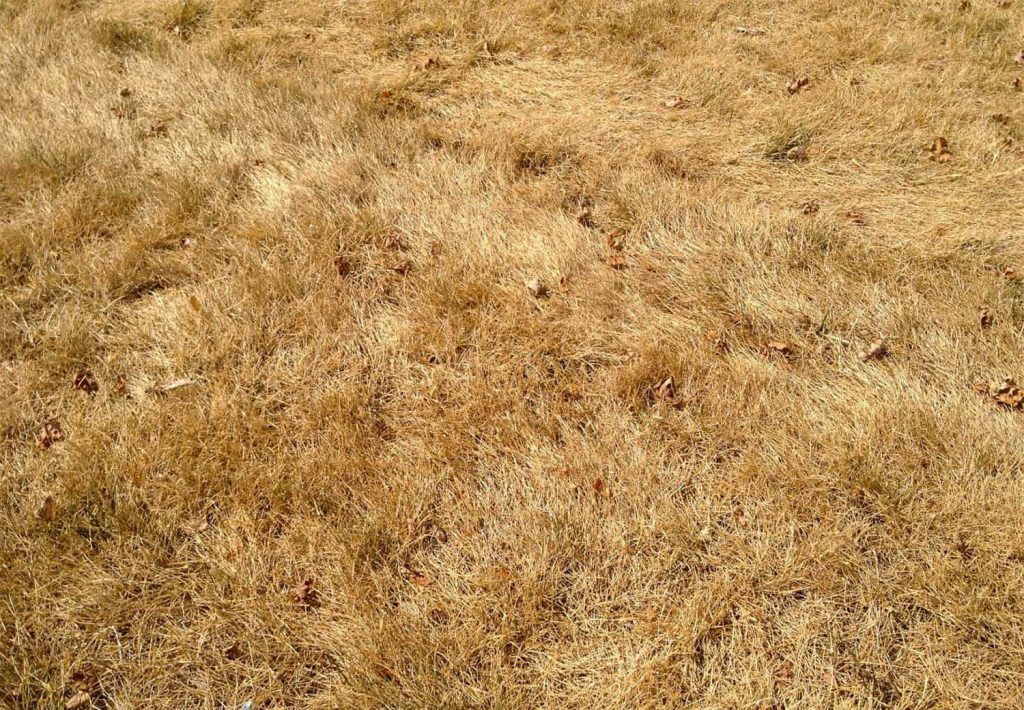
Yes, Kentucky bluegrass often turns brown during winter. This is a normal part of its dormancy cycle, which helps the grass survive colder temperatures. While it may look unsightly, it will usually recover once the weather warms up.
Kentucky bluegrass does turn brown in winter, but this is just dormancy rather than damage. It naturally retreats into a state of minimal growth to withstand freezing temperatures, so its brownish appearance isn’t a cause for concern. With proper winter preparation, your lawn can bounce back beautifully in spring.
Kentucky bluegrass is a popular choice for lawns because of its lush, soft texture and vibrant green color during the growing season. However, as winter approaches, the grass enters dormancy to protect itself from cold stress, causing it to turn brown or dull. Many homeowners wonder if this browning is normal or a sign of trouble. The good news is that it’s a natural response for this cool-season grass, and with some care, you can keep your lawn healthy, ensuring it regains its lush green appearance when spring arrives. Understanding this cycle helps you stay patient and ready to nurture your lawn through the dormant months, knowing that browning doesn’t mean it’s dead—it’s just resting.

Does Kentucky Bluegrass Turn Brown in Winter?
Introduction to Kentucky Bluegrass and Its Winter Behavior
Kentucky bluegrass is a popular type of grass often used for lawns and sports fields due to its lush, green appearance. Many homeowners wonder whether this grass turns brown during the colder months. The answer depends on several factors, including the grass’s health, local climate, and maintenance practices.
During winter, Kentucky bluegrass can undergo noticeable changes in color, but understanding why this happens helps in making better lawn care decisions. Knowing if your bluegrass turns brown can also dictate how you care for it before and after the cold season.
Why Does Kentucky Bluegrass Turn Brown in Winter?
Natural Dormancy in Cold Climates
In colder regions, Kentucky bluegrass naturally goes into dormancy during winter. This process is a survival mechanism that helps the grass endure freezing temperatures. During dormancy, the grass’s green chlorophyll breaks down, causing the blades to turn brown or straw-colored.
Dormancy isn’t a sign of poor health; it’s simply the grass’s way of conserving energy. Once spring arrives and temperatures rise, the bluegrass typically greens up again.
Temperature and Daylight Impact
Cold temperatures and shorter days play key roles in the browning process. When temperatures drop below 50°F (10°C), bluegrass begins to reduce metabolic activity. Less sunlight also means less energy for chlorophyll production, turning the grass’s color from vibrant green to brownish shades.
In regions with milder winters, Kentucky bluegrass might stay greener longer. Conversely, in harsher climates, the browning can be more pronounced and last longer.
Factors That Influence Browning in Kentucky Bluegrass
Type of Bluegrass and Cultivar Variations
Not all Kentucky bluegrass varieties react the same way to winter. Some cultivars are better adapted to cold and retain their color longer. For example, the ‘Baron’, ‘Midnight’, and ‘Park’ cultivars are known for their cold tolerance.
On the other hand, less hardy strains may turn brown quickly once temperatures drop. Selecting the right cultivar for your climate can help keep your lawn greener during winter.
Health and Maintenance of the Lawn
A healthy lawn is more resilient against winter browning. Proper fertilization, watering, and mowing practices promote stronger roots and better drought tolerance.
Suppose your bluegrass is under stress due to over- or under-watering, pests, or diseases. In that case, it might turn brown more readily during winter because it lacks the energy reserves to withstand cold stress.
Soil Conditions and Drainage
Soil quality significantly affects how Kentucky bluegrass responds to winter. Well-drained soil prevents waterlogging, which can cause root damage and make grass more vulnerable to browning.
Conversely, compacted or poorly drained soil traps moisture, leading to increased winter stress and discoloration.
Winter Browning Versus Damage
Natural Browning vs. Cold Damage
Browning in winter is often temporary and part of the grass’s dormancy. However, if the grass turns dark brown, mushy, or develops spots, it could indicate winter kill or disease.
Cold damage tends to affect only the top layer, and the grass can recover if the underlying roots are healthy. If the damage is severe, re-seeding or overseeding might be necessary come spring.
Signs of Proper Dormancy
Healthy Kentucky bluegrass turning brown in winter should appear thin but not completely dead. The stems and roots stay alive underground. You can gently lift a small section to check if the roots are still firm and white, indicating survival.
Signs of lasting damage include blackened roots, soft spots, or widespread dead patches, which suggest that the grass may not recover without intervention.
Managing Kentucky Bluegrass During Winter
Tips for Protecting Your Lawn
- Reduce foot traffic during snow cover to prevent damage.
- Avoid heavy fertilization late in the fall to prevent unnecessary growth that can weaken roots.
- Apply a thin layer of mulch or straw to insulate the grass and roots from extreme cold.
- Ensure proper watering before the first freeze, as dry grass is more vulnerable to winter injury.
When to Reseed or Repair
Early spring is the best time to overseed patches of brown or damaged grass. Use a high-quality Kentucky bluegrass seed suited for your climate for best results. Proper soil preparation and consistent watering promote successful lawn recovery.
If the brown area is extensive, consider aerating and fertilizing to encourage new growth. Patience is key, as bluegrass can take several weeks to fully recover.
Maintaining Green Color Through Winter
Selecting the Right Cultivar
Choose cultivars known for winter hardiness. These varieties are bred to withstand colder temperatures and retain their green color longer in winter. Consulting local extension services can help identify the best options for your region.
Grass Care Practices for Winter Greenery
Continue mowing at a higher height in late fall, which encourages deeper roots. Fertilize in late summer to strengthen the grass before dormancy. Avoid cutting the grass too short, as longer blades help protect the crowns and roots from cold injury.
Using Cold-Weather Lawn Products
Apply products designed for winter stress management. These include soil amendments that improve drainage and turf conditioners to boost resilience. Use these only as directed to avoid harming the grass.
Related Topics and Additional Considerations
Comparing Kentucky Bluegrass with Other Cool-Season Grasses
Other grasses like fescue and perennial ryegrass also turn brown in winter but differ in their recovery times and color retention. Understanding these differences helps in choosing the best grass for your lawn’s needs.
Preparing Your Lawn for Spring Recovery
As temperatures warm, remove dead grass and debris to allow new growth to emerge. Apply a light fertilizer to give the grass a boost and promote quick greening.
Dealing with Persistent Browning
Sometimes, browning persists despite proper care. This might indicate underlying issues like soil deficiencies or pests. Conduct soil tests and treat problems promptly for best recovery chances.
Understanding the Lifecycle of Kentucky Bluegrass in Winter
Kentucky bluegrass’s cycle includes periods of active growth in spring and summer, dormancy in winter, and recovery in early spring. Recognizing these phases helps in timing lawn care activities appropriately.
During dormancy, focus on minimal disturbance and protective measures. As conditions improve, the grass will resume its lush green color with proper maintenance.
The Importance of Patience and Correct Lawn Care
Maintaining a healthy bluegrass lawn in winter requires patience and consistent care. Knowing that browning can be a normal part of dormancy reassures homeowners that their lawn is not necessarily dying.
However, attentive management, including proper mowing, watering, and fertilization, enhances the chances of a vibrant, green lawn when spring arrives.
By understanding why Kentucky bluegrass turns brown and how to support it during winter, homeowners can enjoy a healthy, attractive lawn year-round.
Kentucky Bluegrass Pros and Cons
Frequently Asked Questions
Does Kentucky bluegrass go dormant during winter, causing it to turn brown?
Yes, Kentucky bluegrass naturally enters a period of dormancy during colder months, which causes it to turn brown. This is a normal part of its growth cycle, allowing the grass to conserve energy and withstand harsh winter conditions. The grass typically greening up again in spring when temperatures rise and growing conditions improve.
Can environmental factors other than cold weather cause Kentucky bluegrass to brown in winter?
Environmental factors such as drought, poor soil drainage, or excessive foot traffic can contribute to browning even during winter. While the grass is dormant, these stressors may exacerbate the browning effect or prolong recovery. Proper watering, aeration, and reducing foot traffic during the cold months can help maintain its health.
Is it possible to prevent Kentucky bluegrass from turning brown in winter?
Complete prevention is challenging because browning is a natural response to cold weather. However, maintaining proper lawn care practices—such as adequate watering before the ground freezes, fertilizing in fall, and avoiding unnecessary foot traffic—can help minimize browning and support quicker green-up in spring.
How should I care for Kentucky bluegrass during winter to promote healthy regrowth?
During winter, keep your Kentucky bluegrass healthy by watering moderately before the soil freezes, avoiding fertilization late in the season, and removing debris that can cause damage. Once winter ends, aerate and overseed as needed to promote dense, healthy growth, which can help the lawn recover more quickly from dormancy.
Does the browning of Kentucky bluegrass in winter affect its overall health?
Not necessarily. The browning during winter usually indicates dormancy rather than damage. As long as the grass is healthy before winter and proper care practices are followed, it will typically recover fully in spring without long-term health issues.
Final Thoughts
Kentucky bluegrass typically turns brown during the winter months as part of its natural dormancy process. This change helps the grass conserve energy and survive cold temperatures.
While the grass appears brown, it remains alive beneath the surface and will recover in spring with proper care.
Does Kentucky bluegrass turn brown in winter? Yes, this is common, but it doesn’t mean the grass is dead. Maintaining adequate watering and avoiding excessive foot traffic supports healthy recovery in warmer weather.