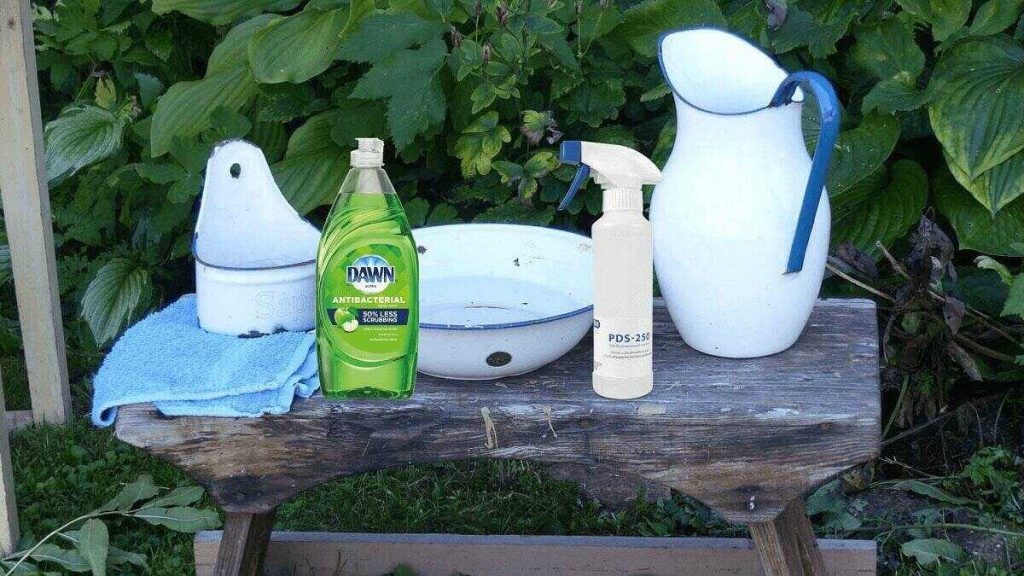
Yes, dish soap can help eliminate some lawn pests, but it’s not a guaranteed solution for everything. When mixed with water, dish soap acts as a surfactant, breaking down the pests’ protective coatings and making them more susceptible to drowning. However, while it can be effective against soft-bodied insects like aphids and spider mites, it won’t be as effective against tougher pests. Plus, using too much soap may harm your plants, so it’s essential to use it in moderation. If you’re struggling with pests in your lawn, using a soap solution might be worth a try, but keep in mind that it should be part of a broader pest management strategy for the best results.

“`html
Does Dish Soap Kill Lawn Pests?
When it comes to lawn care, many homeowners are eager to find effective ways to protect their grass from pesky pests. A common question that arises is: **Does dish soap kill lawn pests?** This topic is not just about keeping your lawn beautiful; it’s also about seeking safe alternatives to chemical pesticides. Let’s dive deep into this subject and explore how dish soap interacts with lawn pests.
Understanding Lawn Pests
Before we can discuss whether dish soap is effective, we should identify what types of pests we might encounter in our lawns. Common lawn pests include:
- Grubs
- Cutworms
- Chinch bugs
- Webworms
- Aphids
- Snails and slugs
These pests can cause significant damage by feeding on grass and plants. Knowing which pests are affecting your lawn can help you determine the best action plan.
What is Dish Soap?
Dish soap is a cleaning agent used primarily for washing dishes. It contains surfactants, which help break down grease and oils. While it’s designed for cleaning, the properties of dish soap can also impact pests.
How Dish Soap Works on Pests
The effectiveness of dish soap on pests is largely due to its surfactant properties. When sprayed on insects, dish soap can:
- Block their breathing holes, leading to suffocation.
- Break down their protective outer layer, causing dehydration.
This is especially effective on soft-bodied insects like aphids and spider mites. However, it’s essential to use the soap correctly to avoid harming your plants.
Using Dish Soap Safely
If you decide to use dish soap to control lawn pests, safety is essential. Here are a few tips to keep in mind:
- Always dilute the soap before applying it to plants.
- Test a small area first to ensure your plants do not react negatively.
- Avoid applying during hot or sunny days, as this can lead to plant burn.
It’s advisable to mix about one to two tablespoons of dish soap per gallon of water. This dilution ensures that the soap is effective without being too harsh on your plants.
Effectiveness of Dish Soap Against Various Pests
Different types of pests react differently to dish soap. Here’s a table summarizing the effectiveness of dish soap on common lawn pests:
| Pest Type | Effectiveness |
|---|---|
| Aphids | High |
| Spider Mites | High |
| Grubs | Moderate |
| Slugs and Snails | Low |
Many gardeners report success when using dish soap on soft-bodied insects. However, grubs and other hard-shelled pests may not be as affected.
Alternative Natural Remedies
While dish soap can be effective, it’s not the only option for lawn pest control. Here are a few natural alternatives:
- Neem Oil: Derived from the neem tree, it’s excellent for a variety of lawn pests.
- Diatomaceous Earth: This powder can kill pests by dehydrating them.
- Essential Oils: Oils like peppermint and rosemary can repel insects.
Using a combination of these methods alongside dish soap can provide a more comprehensive pest management approach.
Combining Dish Soap with Other Ingredients
Some gardeners enhance the effectiveness of dish soap by mixing it with other ingredients. Here are a few common combinations:
- Garlic: Adding crushed garlic can increase repellency against many pests.
- Pepper: A little bit of hot pepper can deter insects while using dish soap.
- Vegetable Oil: Mixing in a small amount can help the soap stick to pests better.
Always remember to test any mixture on a small part of your lawn before full application to avoid damage.
Possible Side Effects of Dish Soap on Plants
While dish soap can help with pests, it’s not without risks. Some potential side effects include:
- Plant Burn: Too much soap or applying on hot days can scorch plants.
- Soil Disruption: Frequent use may alter the natural balance of beneficial microbes.
Monitoring your plants after application is vital. If you see any adverse effects, consider adjusting your formula or application frequency.
Best Practices for Application
To maximize the effectiveness of dish soap while minimizing harm, follow these best practices:
- Apply in the early morning or late evening to avoid intense heat.
- Use a fine spray to cover the leaves lightly.
- Reapply every few days until pests are controlled.
Consistency is key in pest management. Regularly inspect your lawn to identify any new pest activity.
Environmental Considerations
Using dish soap is generally safer for the environment compared to chemical pesticides. However, consider these points:
- Always follow local regulations regarding pest control.
- Introduce natural predators to encourage a balanced ecosystem.
Encouraging beneficial insects can be a natural way to keep pest populations in check. Ladybugs, lacewings, and certain birds can help control pests without harmful chemicals.
In summary, dish soap can indeed kill lawn pests, especially soft-bodied insects like aphids and spider mites. It’s essential to use it correctly and in moderation, always keeping an eye on your plants’ health. By combining dish soap with other natural remedies and maintaining best practices, you can create a lush, pest-free lawn that is safe for your family and the environment. Embracing these natural alternatives not only protects your lawn but also contributes positively to the ecosystem around you.
“`
Does soapy water kill lawn grubs?
Frequently Asked Questions
Can dish soap be used as a pesticide for lawn care?
Yes, dish soap can serve as a mild pesticide for certain lawn pests. When mixed with water and sprayed onto affected areas, it can suffocate soft-bodied insects like aphids and mites. However, it is important to use it in moderation and to test it on a small area of your lawn first to ensure it won’t harm your grass or plants.
What type of dish soap works best for pest control?
Choose a mild, biodegradable dish soap without added dyes or fragrances for pest control. Look for products labeled as gentle or designed for delicate tasks. Strong detergents can harm beneficial insects and plants, so stick to the simplest formulas.
How do I mix dish soap for pest control?
To create a pest control solution, mix approximately 1 to 2 tablespoons of dish soap with a gallon of water. Stir the mixture gently to avoid creating too many bubbles. Transfer it to a spray bottle and apply it directly onto the pests and the affected areas of your lawn.
Are there any risks associated with using dish soap on lawns?
Using dish soap can pose risks if applied in excessive amounts or too frequently. It may irritate grass and beneficial insects. Always conduct a patch test before widespread application, and avoid spraying during hot weather to prevent additional stress on your lawn.
How often should I apply dish soap to control lawn pests?
Apply the dish soap solution every 7 to 10 days as needed, or until you notice a decrease in pest activity. Monitor your lawn regularly and adjust the frequency based on the severity of the infestation and the health of your grass.
Final Thoughts
Dish soap can effectively kill lawn pests by disrupting their outer membranes, leading to dehydration. This method serves as a natural alternative to chemical pesticides, making it safer for the environment and beneficial insects.
However, it’s essential to use dish soap in moderation to avoid harming your plants. Always test a small area first to ensure no adverse reactions occur.
In conclusion, dish soap can be a viable option for pest control. So, when considering lawn care, ask yourself, “Does Dish Soap Kill Lawn Pests?”