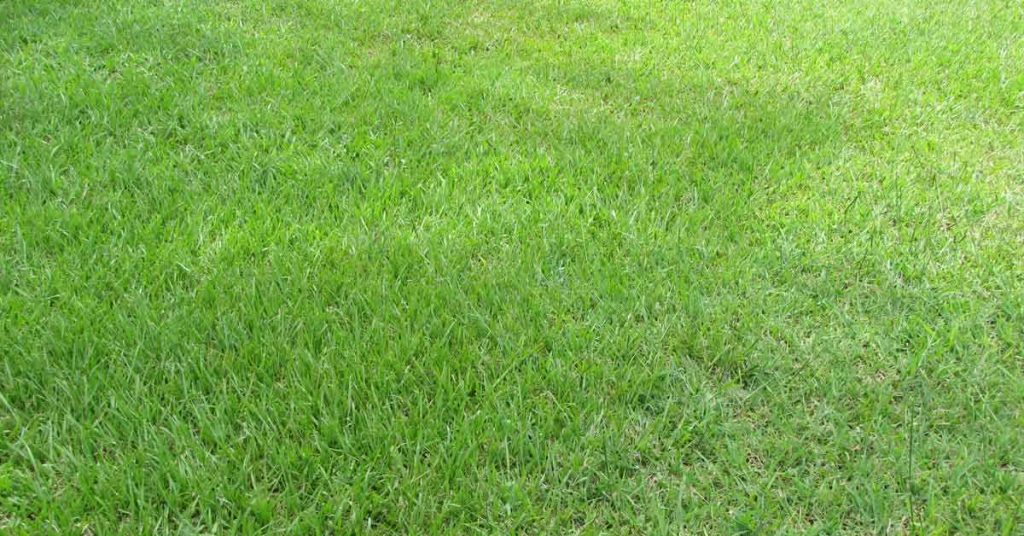
Yes, Bahia grass can make a good lawn, especially in warm climates, thanks to its drought tolerance and low maintenance needs. It creates a lush, dense ground cover that’s ideal for areas where water conservation is important. However, it might not be suitable for cooler regions or parts of the yard that require a very lush, fine-textured grass.
Bahia grass is a popular choice for many homeowners looking for a hardy, low-cost lawn option. It thrives in hot, sunny conditions and is resistant to drought, making it perfect for southern regions of the U.S. If you’re considering Bahia grass for your yard, it’s worth understanding its benefits and limitations to ensure it fits your lifestyle and local climate. In this article, we’ll explore whether Bahia grass is the right choice for your lawn and what you can expect when growing it.

Does Bahia Grass Make a Good Lawn?
Introduction to Bahia Grass
Bahia grass is a popular choice for lawns in warm climates. It is well-known for its durability and low maintenance needs. Many homeowners ask whether Bahia grass creates a lush and attractive lawn they can enjoy. Let’s explore the benefits and drawbacks of Bahia grass as a lawn grass.
What Is Bahia Grass?
Bahia grass, or *Paspalum notatum*, is a warm-season perennial grass. It is native to South America but has spread to many parts of the southern United States. This grass thrives in hot, sunny environments and is often used in pastures, sports fields, and residential lawns.
Growing Conditions for Bahia Grass
Bahia grass prefers full sun exposure, requiring at least six hours of direct sunlight each day. It tolerates drought well but grows best with moderate watering. It thrives in well-drained soil with a pH range between 5.0 and 6.5, making it adaptable to various soil types.
Advantages of Bahia Grass for Lawns
Low Water Requirements
Bahia grass is drought tolerant, needing less water than many cool-season grasses. This makes it ideal for areas with water restrictions or dry climates. Its ability to survive with minimal watering helps keep maintenance costs low.
Heat Tolerance
Bahia grass performs extremely well in hot weather and does not go dormant during peak summer months. This trait allows enduring vibrant green color during the hottest times of the year, making it a reliable choice for southern regions.
Low Maintenance Needs
This grass type requires minimal fertilization and mowing. It generally grows slowly and needs to be mowed less frequently, saving time and effort. Its resistance to pests and diseases adds to its low-maintenance appeal.
Soil Adaptability
Bahia grass can grow in a variety of soils, including sandy, clay, and loamy types. Its tolerance to poor soil conditions makes it suitable for less-than-ideal lawns. It can help establish a lawn in areas where other grasses fail.
Disadvantages of Bahia Grass for Lawns
Appearance and Texture
Bahia grass has a coarse texture and a less dense growth pattern compared to cool-season grasses. It may not provide the lush, soft lawn some homeowners desire. Its open growth can make the lawn appear patchy or sparse.
Color Variability
While Bahia grass stays green in hot weather, it can turn brown or yellow during colder months. This seasonal color change may be undesirable for those seeking year-round vibrant lawns.
Growth Rate and Density
Bahia grass tends to spread slowly and may not fill in patches quickly. Its open growth habit can lead to a thin lawn, requiring overseeding or patching to maintain a uniform appearance.
Suitability for High-Traffic Areas
Although resilient, Bahia grass can become patchy in areas with heavy foot traffic. Its slower recovery rate compared to other grasses might result in worn patches and uneven spots over time.
Considerations for Installing Bahia Grass
Preparation and Planting
Proper soil preparation is essential for establishing Bahia grass. Remove weeds, loosen the soil, and incorporate compost to improve nutrient content. Bahia can be planted using sod, seed, or sprigs, with seed being the most affordable option.
Maintenance Tips
To keep a Bahia lawn healthy, mow regularly at a height of 3 to 4 inches. Water deeply but infrequently to encourage deep root growth. Fertilize lightly once or twice a year with a balanced fertilizer to promote even growth.
Control of Weeds and Pests
Maintaining a dense Bahia lawn helps prevent weeds. Use selective herbicides if necessary and monitor for common pests such as mole crickets or nematodes. A healthy, dense lawn naturally resists pests and diseases better.
Cost Comparison of Bahia Grass
| Aspect | Bahia Grass | Other Lawn Grasses |
|---|---|---|
| Initial Planting Cost | Moderate (seed or sprigs) | Varies (sod or seed) |
| Maintenance Expenses | Low | Moderate to high (fertilizer, watering, pest control) |
| Water Cost | Low | Higher, especially for cool-season grasses |
| Fertilizer Needs | Minimal | More frequent and intensive |
Is Bahia Grass Suitable for Your Lawn?
Assess your climate, soil, and lawn usage before choosing Bahia grass. It is best suited for warm, sunny environments with low to moderate foot traffic. If you desire a low-cost, low-maintenance lawn that tolerates drought, Bahia could be a good choice.
Related Topics to Consider
- Best fertilization practices for Bahia grass
- Watering schedules for Bahia lawns
- How to improve Bahia grass appearance
- Alternatives to Bahia grass for southern lawns
- Common pests affecting Bahia lawns
Summary of Key Points
– Bahia grass is a hardy, drought-tolerant grass suited for warm climates.
– It requires minimal maintenance, making it cost-effective.
– Its coarse texture and seasonal color changes may not appeal to everyone.
– Proper planting and care can help achieve a healthy, green Bahia lawn.
– Consider your regional climate and lawn needs when choosing Bahia grass.
This in-depth look should help you decide whether Bahia grass makes a good lawn for your property. Its low maintenance and resilience are appealing, but note its appearance and growth habits before planting.
How To Care For A Bahia Grass Lawn Part 1
Frequently Asked Questions
What are the benefits of using Bahia grass for a lawn?
Bahia grass is drought-tolerant and requires less water than many other turf options, making it ideal for areas with water restrictions. It establishes quickly and withstands heavy foot traffic, providing a durable and resilient surface. Additionally, its deep root system helps prevent soil erosion and maintains soil health over time.
How does Bahia grass perform in different climates?
Bahia grass thrives in warmer climates, particularly in USDA zones 8 through 11. It performs best in full sunlight and can handle high temperatures without deteriorating. However, it may struggle in cooler, shaded areas or regions with prolonged cold winters, which can affect its growth and overall appearance.
Is Bahia grass easy to maintain for homeowners?
Yes, Bahia grass is relatively easy to care for. It requires minimal mowing, as it grows slowly and maintains a low height. The grass benefits from periodic fertilization and occasional pest management. Its drought resistance means it seldom needs frequent watering, reducing overall maintenance efforts.
Can Bahia grass establish a uniform and attractive lawn?
While Bahia grass can develop a uniform appearance, it may have a coarse texture and a somewhat uneven growth pattern initially. Proper planting, watering, and fertilization help improve its uniformity and aesthetic appeal. Regular maintenance enhances the overall look of a Bahia grass lawn.
What are some potential disadvantages of planting Bahia grass?
Bahia grass can spread aggressively, sometimes invading flower beds or neighboring areas if not managed properly. Its coarse texture might not appeal to those seeking a fine, soft lawn surface. Additionally, it may turn brown or go dormant during cooler months, which can affect the lawn’s appearance seasonally.
Final Thoughts
Bahia grass offers a low-maintenance option for many lawns, especially in warmer climates. It adapts well to various soil types and requires less watering than other grasses. Its dense growth can help suppress weeds and maintain a lush appearance.
However, Bahia grass may not suit all needs; it can become invasive and has a coarse texture. It thrives in full sun but struggles in shaded areas. Overall, does bahia grass make a good lawn? For those seeking easy-care, drought-tolerant grass, it can be a practical choice.