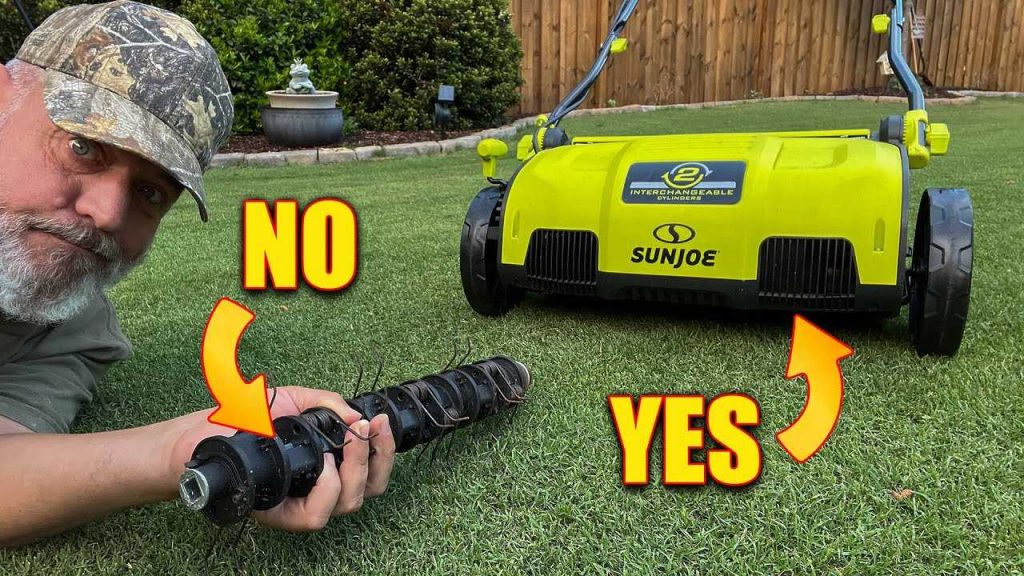
Yes, dethatching Bermuda grass can be beneficial, especially if your lawn looks thick and spongy. Removing thatch helps improve air, water, and nutrient penetration, giving your grass a healthier, more vibrant appearance. Whether you should dethatch depends on the buildup of thatch, which can hinder lawn growth if it becomes too thick.
If your Bermuda grass has more than half an inch of thatch, dethatching is a good idea to restore its lushness. However, if the thatch layer is thin, dethatching may not be necessary, and light lawn care can suffice. Knowing when and how to dethatch properly can make a significant difference in maintaining a beautiful Bermuda lawn.
Starting with a quick answer: Dethatching Bermuda grass is generally recommended when there is a thick layer of thatch (over half an inch), as it helps rejuvenate the lawn. If you notice your Bermuda grass becoming spongy or brown patches forming, it’s likely time for dethatching to promote overall health and growth.
Bermuda grass is a popular choice for lawns in warm climates because of its durability and dense growth. However, like all grasses, it can develop a layer of thatch—dead grass, roots, and organic matter—that sits between the grass and the soil. When thatch becomes excessive, it prevents water, air, and nutrients from reaching the roots, leading to poor turf health. Dethatching is a process of removing this layer to promote better turf growth and resilience. Many homeowners wonder if dethatching is necessary for Bermuda grass and, if so, how to do it correctly. Understanding the signs of excess thatch and the right techniques can keep your Bermuda lawn lush, healthy, and inviting.

Do You Dethatch Bermuda Grass? Everything You Need to Know
Many homeowners with Bermuda grass wonder if they should dethatch their lawn. Dethatching involves removing a layer of thatch that builds up over time. This layer can affect the health and appearance of your Bermuda grass lawn.
What Is Thatch, and Why Does It Build Up?
Thatch is a layer of organic matter made from roots, stems, and debris that accumulates between the grass blades and the soil surface. This layer can become thick over time, especially if you water or fertilize your lawn excessively.
When thatch gets too thick, it prevents water, air, and nutrients from reaching the grass roots. This can lead to problems like brown patches, reduced growth, and a weak lawn overall.
Signs That Indicate You May Need to Dethatch Bermuda Grass
Look for these common signs that suggest dethatching might be necessary:
- Spongy feeling when walking on your lawn, indicating a thick thatch layer.
- Water runoff occurs instead of soaking into the soil after watering.
- Fungal problems or a musty smell can appear when thatch traps moisture.
- Grass appears dull or yellowish even after watering and fertilizing.
- Standing or water pooling on the surface after rainfall.
How Thick Should Thatch Be?
Thatch is considered healthy when it is less than half an inch thick. If thatch exceeds this thickness, it might hinder lawn health. A thatch layer over an inch thick is a clear sign that dethatching is needed.
Benefits of Dethatching Bermuda Grass
Proper dethatching can lead to several advantages for your lawn:
- Improved water absorption and distribution into the soil.
- Better nutrient delivery to the roots.
- Enhanced air circulation around grass and soil.
- Reduced risk of disease caused by excessive moisture retention.
- Healthier and greener grass with stronger roots.
Best Time to Dethatch Bermuda Grass
The ideal time for dethatching Bermuda grass is during its active growing season. Typically, late spring to early summer is best because the grass recovers quickly. Dethatching during dormancy, which is in winter, can stress the grass further.
Make sure the weather is warm, and there is sufficient rain or irrigation, to promote quick recovery after dethatching.
How to Dethatch Bermuda Grass
Tools Needed for Dethatching
- Manual dethatching rake for small lawns or minor thatch buildup.
- Power dethatcher or lawn scarifier for larger areas or thick thatch layers.
- Garden rake for collecting debris after dethatching.
Step-by-step Dethatching Process
- Water your lawn thoroughly a day before dethatching to soften the thatch and soil.
- Set up your equipment. For manual rakes, choose a sturdy dethatching rake. For power dethatchers, ensure proper blades are installed.
- Start dethatching by running the rake or machine across the lawn in multiple directions to cover all areas.
- Remove debris using a garden rake or leaf blower to clear away thatch and grass clippings.
- Carefully overseed and fertilize after dethatching to promote rapid recovery and new growth.
- Water the lawn regularly to help the grass recover and establish strong roots.
Precautions When Dethatching Bermuda Grass
Overly aggressive dethatching can damage your lawn, so it’s important to proceed with caution. Avoid dethatching if the grass is stressed from drought or extreme heat.
Be gentle around existing grass, as aggressive passes can pull out healthy roots. Always follow manufacturer instructions for power dethatchers.
Alternatives to Dethatching
If your thatch layer isn’t too thick, other methods can help improve your Bermuda grass’s health:
- Aeration: Poke holes into the soil to increase oxygen and water flow.
- Core aeration: Remove small plugs of soil to reduce compaction.
- Proper mowing: Maintain a mowing height of 1 to 2 inches to promote healthy grass growth.
- Balanced fertilization: Use the right nutrients to support healthy root development.
Frequency of Dethatching Bermuda Grass
Most lawns don’t need dethatching every year. Typically, dethatching every 1 to 3 years is sufficient for Bermuda grass. Regular monitoring of thatch buildup can help determine when it’s time to dethatch again.
Avoid excessive dethatching, which can weaken the lawn and make it more susceptible to weeds and disease.
Costs and Professional Help
If your lawn is large or has a significant thatch problem, professional dethatching may be the best option. Costs vary based on size and labor but usually range from $100 to $300.
Professional lawn services can ensure that dethatching is done safely and effectively, especially on extensive or delicate lawns.
Maintaining a Healthy Bermuda Grass Lawn After Dethatching
Post-dethatching care is essential for quick recovery. Focus on watering adequately, applying fertilizer, and avoiding heavy foot traffic.
Regular lawn maintenance will help prevent excessive thatch buildup and keep your Bermuda grass lush and green.
Understanding whether to dethatch Bermuda grass depends on the severity of thatch accumulation and the time of year. With proper techniques and timely action, you can ensure your lawn stays healthy, vibrant, and resistant to common problems.
Dethatch or Verticut Bermuda or Zoysia Lawn
Frequently Asked Questions
How can I tell if my Bermuda grass needs dethatching?
Look for a thick layer of thatch, which appears as a spongy mat between the grass and soil surface. If the thatch layer exceeds half an inch, it can hinder water, nutrients, and air from reaching the roots. Signs such as poor turf appearance, reduced growth, or increased weeds may also indicate a need to dethatch.
What is the best time of year to dethatch Bermuda grass?
Timing is crucial for effective dethatching. The best period is during the active growing season, typically late spring or early summer. Performing dethatching when the grass is healthy allows it to recover quickly and minimizes stress on the turf. Avoid dethatching during extreme heat or cold.
What tools are recommended for dethatching Bermuda grass?
Use a dethatching rake, lawn scarifier, or power dethatcher to remove the thatch layer. For small areas, a manual rake might suffice, but larger lawns benefit from powered equipment. Ensure your tools are sharp and in good condition to effectively cut through the thatch without damaging the grass.
Can I dethatch Bermuda grass if it’s overseeded or undergoing repair?
It’s best to wait until the grass has fully recovered from overseeding or repair work before dethatching. Dethatching can stress the turf and potentially undo recent improvements. Planning dethatching a few weeks after such activities allows the grass to establish stronger roots first.
How do I prepare my Bermuda grass for dethatching?
Before dethatching, mow your Bermuda grass to a shorter height to make the process easier. Water the lawn a day or two beforehand to soften the soil and loosen the thatch. Clear away debris and ensure the turf is dry to improve the effectiveness of dethatching tools.
Final Thoughts
Dethatching Bermuda grass helps improve air circulation, water penetration, and nutrient uptake, leading to a healthier lawn. Regular dethatching prevents thatch buildup that can suffocate grass roots.
If your Bermuda grass shows signs of poor health, consider dethatching to restore its vigor.
In conclusion, do you dethatch Bermuda grass? Doing so enhances lawn quality and promotes strong, lush growth.