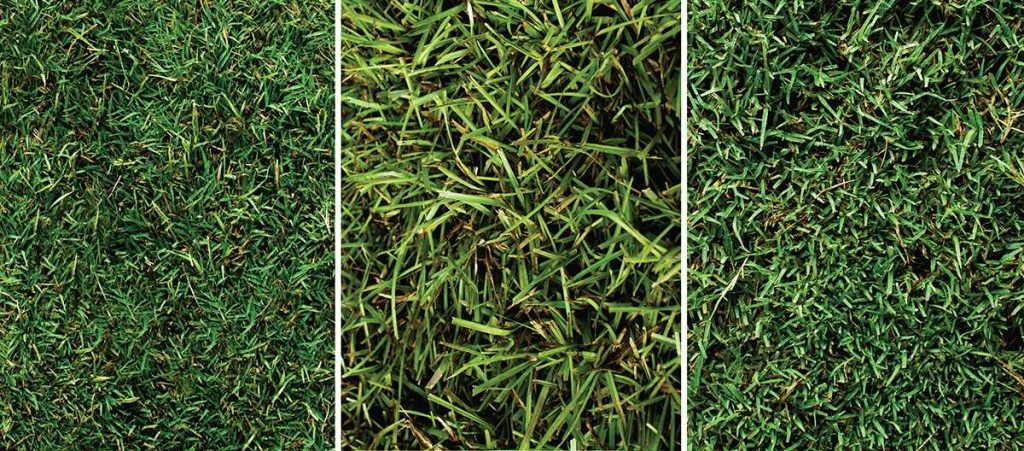
Looking to choose the perfect Bermuda grass for your lawn? Whether you’re seeking a lush, dense turf or something more drought-tolerant, understanding the various types can help you make an informed decision. Bermuda grass is popular for its durability and vibrant green color, but not all varieties are created equal. The right type depends on your climate, use, and maintenance preferences.
In a nutshell, there are several popular Bermuda grass varieties, each with unique traits, including TifTuf, Tifway, and Celebration. These differ in drought resistance, color, texture, and wear tolerance, making it easier for homeowners and landscapers to select the best fit for their needs.
There’s a wide world of Bermuda grass options, each suited to different climates and lifestyles. Some thrive in hot, dry environments, while others excel in high-traffic areas or provide a softer feel. Exploring these varieties can help you cultivate a lawn that’s both beautiful and resilient, tailored perfectly to your outdoor space.

Different Types of Bermuda Grass
Bermuda grass is a popular choice for lawns, sports fields, parks, and golf courses because it can grow well in warm climates. There are several types of Bermuda grass, each with unique features that make them suitable for different uses. Understanding these types can help you choose the best grass for your yard or sports field.
Common Types of Bermuda Grass
Bermuda grass comes in a few common varieties, and each has its special benefits. The most well-known types include **Common Bermuda**, **Hybrid Bermuda**, and **Celebration Bermuda**.
Common Bermuda Grass
Common Bermuda grass is the original type that grows naturally in warm areas. It spreads quickly through both seeds and runners, making it easy to establish. This type is often used for pastures and recreational fields because it is resilient and hardy.
Hybrid Bermuda Grass
Hybrid Bermuda grass is a cross between different Bermuda varieties. It is bred to be more dense, lush, and wear-resistant. These grasses usually have darker green color and a finer texture, which makes them popular for golf courses and high-quality lawns.
Celebration Bermuda Grass
Celebration Bermuda is a hybrid type known for its durability and rich color. It stays green longer in the season and recovers quickly from damage. It works well in both residential lawns and sports fields that see a lot of foot traffic.
Differences Between Bermuda Grass Types
Each Bermuda grass type has key differences that can influence your choice.
| Feature | Common Bermuda | Hybrid Bermuda | Celebration Bermuda |
|---|---|---|---|
| Growth Rate | Fast | Fast | Moderate to fast |
| Color | Light green | Dark green | Deep green |
| Use | Pastures, sports fields | Golf courses, high-end lawns | Resistant lawns, sports fields |
| Maintenance | Lower | Higher | Moderate |
| Durability | Good | Excellent | Excellent |
Choosing the Right Bermuda Grass for Your Needs
Picking the best Bermuda grass depends on your specific needs. If you want a low-maintenance yard, common Bermuda can work well. For a high-traffic sports field or golf course, hybrid or Celebration Bermuda may be better choices because they are more durable.
Climate and Soil Requirements
Bermuda grass thrives in warm weather and well-drained soil. Hybrid varieties perform best when planted in areas with full sunlight. Make sure your soil has good drainage to prevent waterlogging, which can harm Bermuda grass.
Usage and Traffic
For areas with a lot of foot traffic or sports activity, choose a hardy type like Celebration or hybrid Bermuda. If you need a simple lawn for aesthetic purposes, common Bermuda can be sufficient.
Growth Habits and Spread Techniques
Bermuda grass spreads mainly through underground stems called stolons and rhizomes. It can also produce seeds, especially in common Bermuda. The method of propagation influences how quickly the grass covers an area.
Stolons and Rhizomes
These underground and above-ground stems allow Bermuda grass to spread horizontally. This growth habit helps Bermuda recover from damage and fill in patches quickly, making it a popular choice for many turf applications.
Seeding
Some Bermuda varieties, like common Bermuda, produce seeds that spread naturally. Seeding is a common way to establish new lawns or repair damaged areas.
Maintenance Tips for Bermuda Grass
Proper care ensures Bermuda grass stays healthy and lush. Regular mowing, watering, fertilizing, and aerating are essential.
Mowing
Keep Bermuda grass trimmed to about 1 to 2 inches for a neat appearance. Regular mowing encourages dense growth and prevents weeds from taking over.
Watering
Bermuda grass needs about one to one and a half inches of water weekly. Deep watering helps roots grow strong and keeps the grass green.
Fertilizing
Apply a balanced fertilizer during the growing season. Use products with nitrogen to promote healthy, vibrant green color.
Aeration and Dethatching
Aerate the soil annually to reduce compaction and improve water and nutrient absorption. Dethatch the lawn if thatch buildup exceeds half an inch to keep the roots healthy.
Problems and Solutions for Bermuda Grass
Bermuda grass can face issues like weeds, pests, or diseases. Recognizing problems early helps keep your lawn in top condition.
Weed Control
Apply pre-emergent herbicides in spring to prevent weed seeds from sprouting. Regular mowing and proper fertilization also help Bermuda outgrow weeds.
Pests
Chinch bugs and grubs can damage Bermuda grass. Use appropriate insecticides or natural enemies to control pests.
Diseases
Fungal diseases like dollar spot or brown patch may occur in humid conditions. Proper watering, good drainage, and fungicides can prevent these issues.
Other Related Turfgrasses
While Bermuda grass is excellent for warm climates, other turfgrasses may be better suited for different conditions.
- Zoysia grass: Tolerates shade and drought better than Bermuda.
- Centipede grass: Requires less mowing and fertilization.
- Kentucky bluegrass: Performs well in cooler climates but can be mixed with Bermuda in transitional zones.
Summary
Choosing the right type of Bermuda grass depends on your climate, usage, and maintenance preferences. Common Bermuda offers easy growth and low maintenance, while hybrid types provide more density and durability. Celebrations Bermuda stands out for its color and resilience, especially on sports fields.
Understanding these differences enables you to select the best Bermuda grass for your yard or field. Proper care and maintenance will keep your Bermuda lawn looking vibrant, healthy, and lush all season long.
Tahoma 31 vs Tifway 419 Bermudagrass – What's the Difference? Which is Better?
Frequently Asked Questions
What are the characteristics of common Bermuda grass varieties used for lawns?
Common Bermuda grass varieties like Tifway and Tifgreen are known for their dense, fine-textured blades and ability to establish quickly. These types tolerate high traffic and withstand drought conditions well, making them ideal for home lawns and sports fields. They typically have a vivid green color and require regular maintenance to maintain their appearance and health.
How do hybrid Bermuda grasses differ from native types in terms of growth and maintenance?
Hybrid Bermuda grasses combine desirable traits from different parent plants, resulting in faster growth and finer texture. These varieties often have improved disease resistance and better stress tolerance than native types. They tend to require more precision in mowing and fertilization, but they produce a more uniform and aesthetically appealing turf.
Which Bermuda grass types are best suited for golf courses and why?
For golf courses, varieties like Tifdwarf and TifEagle are popular because of their fine texture and ability to withstand frequent mowing. They create smooth surfaces suitable for putting greens and fairways. These types often have superior tolerance to close mowing and resist disease, ensuring consistent performance throughout the season.
In what climates do buffalo Bermuda and common Bermuda perform best?
Buffalo Bermuda and other common Bermuda types thrive in warm, sunny climates with high temperatures and long growing seasons. They handle heat and drought well, making them suitable for southern regions. However, they may struggle in cooler climates where temperatures drop significantly, affecting their growth and color.
Can different Bermuda grass types be mixed in a single lawn project?
Mixing Bermuda grass varieties can sometimes improve a lawn’s resilience and appearance, but it requires careful planning. Combining different types ensures coverage across various conditions and may help combat pests or diseases specific to one variety. However, managing different growth habits and maintenance needs is essential to achieve a uniform look and health.
Final Thoughts
Different types of bermuda grass cater to various landscaping needs. Hybrid varieties offer dense turf ideal for sports fields, while common bermuda grass thrives in warm climates with minimal care. Zoysia bermuda provides a softer feel and better shade tolerance.
Understanding these types helps homeowners choose the best option for their lawns. Each type offers unique benefits, making it easier to achieve a healthy, attractive yard.