
If you've ever stood in the supplement aisle staring at two bottles of herbal capsules, you're not alone. The difference between chamomile and feverfew isn't obvious at first glance. Both come from daisy-like plants in the Asteraceae family, both have centuries of traditional use behind them, and both sit on the same shelf at your local health food store.
But they're not interchangeable. Chamomile is your go-to for winding down, easing anxiety, and getting better sleep. Feverfew is the one people reach for when migraines keep coming back.
Understanding what each plant actually does, and who it's best for, will save you time, money, and the frustration of taking the wrong herb for the wrong problem.

Image source: Pixabay / MabelAmber (Pixabay Content License)
Quick Answer: Which One Should You Actually Use?
Chamomile is best for relaxation, sleep support, and mild digestive discomfort. Feverfew is best for preventing migraines and reducing inflammation. Chamomile is gentle and pleasant-tasting, usually enjoyed as a tea.
Feverfew is bitter and typically taken as a capsule. They come from the same plant family but serve very different purposes.
What Is Chamomile?
Chamomile refers to two closely related plants: German chamomile (Matricaria chamomilla, sometimes called Matricaria recutita) and Roman chamomile (Chamaemelum nobile). Both produce small, white-petaled flowers with bright yellow centers that look like tiny daisies. German chamomile is the one you'll find most often in teas and supplements.
The active compound behind chamomile's calming effects is apigenin, a flavonoid that binds to certain receptors in the brain and promotes relaxation. That's why a cup of chamomile tea before bed has been a bedtime ritual for centuries. It's not just folklore, either.
Research published in peer-reviewed journals has looked at chamomile's effects on anxiety and sleep quality with promising, if still developing, results.
Chamomile is one of the most widely consumed herbal teas in the world. You can find it in virtually any grocery store, usually for just a few dollars a box. Beyond tea, it's available as capsules, liquid extracts, tinctures, and even topical creams for skin irritation.
It has a mild, slightly sweet, floral flavor that most people find pleasant.
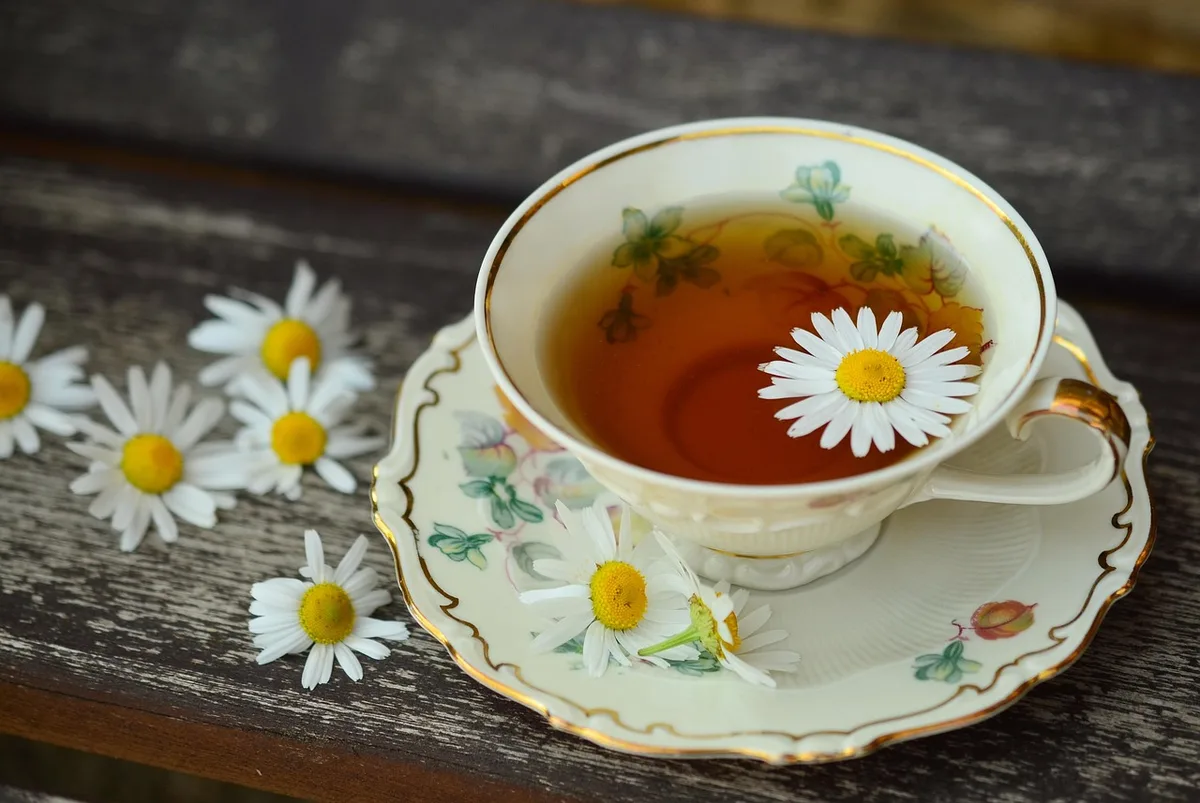
Image source: Pixabay / congerdesign (Pixabay Content License)
One thing worth noting: chamomile is generally considered very safe for most adults when consumed in typical amounts. The main exception is for people who have allergies to plants in the Asteraceae family, which includes ragweed, chrysanthemums, and marigolds. If you sneeze through ragweed season, chamomile could trigger a similar reaction.
What Is Feverfew?
Feverfew (Tanacetum parthenium, formerly classified as Chrysanthemum parthenium) is a flowering plant with small, white, daisy-like blooms and bright green, slightly feathery leaves. It's native to southeastern Europe but has naturalized across much of Europe, North America, and Australia. You might even spot it growing wild along roadsides or in garden beds, where some people cultivate it as an ornamental plant.
The key active compound in feverfew is parthenolide, which is believed to be responsible for its anti-inflammatory and migraine-preventing properties. Parthenolide works by inhibiting the release of serotonin and prostaglandins, substances involved in the inflammatory cascade that can trigger migraines. This mechanism is why feverfew has been studied more specifically for headache prevention than for general relaxation.
Unlike chamomile, feverfew has a notably bitter taste. Most people don't brew it as a tea. Instead, it's most commonly taken as a capsule, tablet, or standardized extract.
Some traditional practitioners have used fresh feverfew leaves, but chewing them can cause mouth ulcers and irritation, so capsules are the safer and more comfortable option.

Image source: Pixabay / Couleur (Pixabay Content License)
Feverfew has a longer track record in clinical research for migraine prevention specifically. Several studies have looked at its ability to reduce the frequency and severity of migraine attacks when taken consistently over weeks or months. The European Medicines Agency has published a herbal monograph on Tanacetum parthenium recognizing its traditional use for headache relief, which adds a layer of regulatory credibility.
Side-by-Side Comparison: Chamomile vs. Feverfew
Here's where things get practical. Let's put these two herbs next to each other so you can see exactly how they stack up.
| Attribute | Chamomile | Feverfew |
|---|---|---|
| Botanical name | Matricaria chamomilla (German) / Chamaemelum nobile (Roman) | Tanacetum parthenium |
| Plant family | Asteraceae (daisy) | Asteraceae (daisy) |
| Primary active compound | Apigenin | Parthenolide |
| Main use | Relaxation, sleep, mild anxiety, digestive comfort | Migraine prevention, anti-inflammatory |
| Typical form | Tea, capsules, extracts, topical creams | Capsules, tablets, standardized extracts |
| Taste | Mild, floral, slightly sweet | Bitter |
| Best time to take | Evening or before bed | Morning, daily for prevention |
| Onset of effect | Relaxation within 30 to 60 minutes (tea) | Migraine prevention requires weeks of consistent use |
| Safety in pregnancy | Generally regarded as safe in moderate amounts; consult your provider | Not recommended; may stimulate uterine contractions |
| Common side effects | Rare; allergic reaction possible in Asteraceae-sensitive individuals | Mouth irritation (fresh leaves), digestive upset, rebound headaches if stopped abruptly |
| Drug interactions | Blood thinners, sedatives, some antidepressants | Blood thinners, antiplatelet medications |
| Availability | Very high; found in most grocery stores | Moderate; health food stores and online |
| Cost | Low | Low to moderate |
Image source: Pixabay / Nennieinszweidrei (Pixabay Content License)
The biggest takeaway from this comparison: these herbs aren't really competing for the same job. Chamomile is your evening wind-down herb. Feverfew is your daily preventive supplement for chronic headaches.
If you're trying to pick one, the decision comes down to what problem you're actually trying to solve.
Best Uses for Chamomile
Chamomile shines in a few specific areas. Here's where it makes the most sense to reach for it.
Sleep support. This is chamomile's strongest suit. The apigenin in chamomile binds to GABA receptors in the brain, which helps quiet down nervous system activity. A warm cup of chamomile tea about 30 minutes before bed is one of the simplest, most accessible sleep aids available.
It's not as strong as a pharmaceutical sleep aid, but for mild sleep difficulties, it's a solid starting point.
Anxiety and stress relief. Chamomile has been studied for its potential anxiolytic effects. A 2016 study published in Phytomedicine found that long-term chamomile use significantly reduced moderate-to-severe symptoms of generalized anxiety disorder. It won't replace professional treatment for clinical anxiety, but for everyday stress, it's a gentle option.
Digestive comfort. Chamomile has antispasmodic properties, meaning it can help relax the smooth muscles of the digestive tract. People have used it for bloating, gas, and mild stomach cramps for generations. A cup of chamomile tea after a heavy meal is a tradition in many cultures for good reason.
Skin irritation. Topical chamomile creams and compresses have been used to soothe minor skin irritations, eczema, and inflammation. The anti-inflammatory compounds in chamomile can provide mild relief when applied directly to affected areas.
Menstrual comfort. Some research suggests chamomile may help reduce the severity of menstrual cramps, likely due to its antispasmodic and anti-inflammatory properties. It's not a replacement for pain medication in severe cases, but it can be a helpful addition.
Best Uses for Feverfew
Feverfew has a narrower but more targeted set of uses. Here's where it earns its place.
Migraine prevention. This is the big one. Feverfew is one of the most studied herbal remedies for migraine prevention. The parthenolide content appears to reduce the frequency and severity of migraine attacks when taken daily over an extended period.
It's not a rescue medication for an acute migraine. Think of it more like a daily supplement for your brain's inflammatory pathways.
Anti-inflammatory support. Beyond migraines, feverfew's anti-inflammatory properties may benefit other conditions involving chronic inflammation. Some people use it for joint discomfort, though the evidence here is less robust than for migraines.
Fever reduction. Historically, feverfew was used to reduce fevers, which is how it got its common name. This use has largely been replaced by more effective modern medications, but it's part of the plant's traditional profile.
Arthritis symptom management. A few studies have explored feverfew's potential role in managing rheumatoid arthritis symptoms, given its ability to inhibit inflammatory pathways. The results are preliminary, but it's an area of ongoing research.
The key thing to understand about feverfew is that it works best as a preventive measure, not an acute treatment. You need to take it consistently, usually for several weeks, before you'll notice a difference in migraine frequency. If you're looking for something to stop a headache that's already started, feverfew isn't your herb.
Who Should Choose Chamomile Over Feverfew (and Vice Versa)
The right herb depends entirely on what you're dealing with. Here's a straightforward way to think about it.
Choose chamomile if you struggle with sleep. If you lie awake with a racing mind or just can't settle into a restful night, chamomile is the obvious starting point. It's gentle, it's pleasant to drink, and it won't leave you groggy the next morning. People with mild anxiety or everyday stress also tend to benefit most from chamomile's calming profile.
Choose feverfew if migraines are your main problem. If you're getting frequent migraines, maybe several times a month, and you want a natural preventive option, feverfew has the stronger evidence base. It's not a quick fix. You'll need to take it daily for several weeks before you see results.
But for people who want to reduce their reliance on OTC painkillers, it's worth considering.
Choose chamomile if you're new to herbal supplements. Chamomile is one of the most accessible herbs out there. It's cheap, it tastes good, and the safety profile is excellent for most people. If you've never tried an herbal remedy before, chamomile tea is a low-risk way to start.
Choose feverfew if you've already tried other migraine preventives without success. Some people don't respond well to conventional migraine medications or can't tolerate the side effects. Feverfew offers a plant-based alternative with a different mechanism of action. It's not guaranteed to work, but the research supports giving it a fair trial.
Don't take both expecting double the benefit. They don't really overlap in what they do. Taking chamomile for sleep and feverfew for migraines at the same time is fine if you have both issues. But stacking them hoping for some combined super-effect isn't how these herbs work.
Safety, Side Effects, and Who Should Avoid Each
Both herbs are generally well-tolerated, but neither is risk-free for everyone. Here's what you need to know before adding either one to your routine.
Chamomile Safety
Chamomile is one of the safest herbs available, but there are real exceptions.
Allergy risk. If you're allergic to ragweed, chrysanthemums, marigolds, or daisies, chamomile could trigger a reaction. These plants are all in the Asteraceae family, and cross-reactivity is well-documented. Reactions can range from mild skin irritation to, in rare cases, anaphylaxis.
If you know you have seasonal allergies in that plant family, proceed with caution or skip it entirely.
Drug interactions. Chamomile may enhance the effects of blood thinners like warfarin. It can also amplify the sedative effects of medications like benzodiazepines or certain antidepressants. If you're on any prescription medication, check with your healthcare provider before making chamomile a daily habit.
Pregnancy. Moderate amounts of chamomile tea are generally considered safe during pregnancy. However, concentrated supplements or extracts in high doses are a different story. Most providers recommend sticking to a cup or two of tea rather than capsules if you're pregnant.
Feverfew Safety
Feverfew has a few more caveats than chamomile.
Pregnancy warning. Feverfew is not recommended during pregnancy. It may stimulate uterine contractions, which poses a risk of miscarriage or preterm labor. If you're pregnant or trying to conceive, avoid feverfew entirely.
Mouth irritation. Chewing fresh feverfew leaves can cause mouth ulcers, swelling, and a burning sensation. This is why capsules and tablets are the preferred delivery method. If you're using a tincture, you might notice some tingling, but it's usually mild.
Rebound headaches. If you've been taking feverfew daily for a while and stop abruptly, you may experience a rebound increase in headache frequency. The solution is to taper off gradually rather than quitting cold turkey.
Drug interactions. Like chamomile, feverfew may interact with blood thinners and antiplatelet medications. It can also interact with medications metabolized by the liver's cytochrome P450 system. Again, a quick conversation with your provider can save you trouble.
Children. Feverfew is generally not recommended for children under 2 years old. For older children, dosing should be determined by a pediatrician. Chamomile tea in small amounts is considered safer for children, but always check with a healthcare provider first.
How to Take Chamomile and Feverfew Properly
Getting the dosing and preparation right makes a real difference in how well these herbs work.
Chamomile Preparation
Tea. Steep one tablespoon of dried chamomile flowers in eight ounces of hot water for five to ten minutes. Cover the cup while it steeps. This keeps the volatile oils from evaporating, which is where a lot of the beneficial compounds live.
Drink it plain or add a little honey if you prefer.
Capsules. Typical doses range from 200 to 500 mg per capsule, taken one to three times daily. Look for products that specify the apigenin content, though not all manufacturers list this.
Tinctures and extracts. Follow the product label. Most chamomile tinctures recommend 30 to 60 drops in water, one to three times per day. Alcohol-based tinctures are the most common, but glycerin-based options exist if you want to avoid alcohol.
Topical use. Chamomile creams and compresses can be applied directly to irritated skin. For a DIY compress, brew a strong cup of tea, let it soak a clean cloth, and apply it to the affected area for 10 to 15 minutes.
Feverfew Preparation
Capsules and tablets. This is the most common and practical form. Look for products standardized to contain at least 0.2% parthenolide. Typical doses range from 100 to 300 mg per day.
Take it consistently, at the same time each day, for best results.
Fresh leaves. Some traditional practitioners recommend chewing one to three fresh leaves daily. The bitter taste and risk of mouth ulcers make this option unpopular. If you go this route, sandwich the leaves in a piece of bread to minimize direct contact with your mouth.
Tinctures. Feverfew tinctures are available but less common than capsules. Follow the manufacturer's dosing instructions carefully.
Timing matters for feverfew. Since it's a preventive supplement, not an acute treatment, consistency is everything. Most studies showing benefit used daily dosing over a period of at least eight to twelve weeks. Don't expect results after a few days.
Common Mistakes People Make with These Herbs
Even with something as straightforward as herbal supplements, people trip up in predictable ways.
Expecting immediate results from feverfew. This is probably the most common mistake. Feverfew is a long-game supplement. If you take it for a week and don't notice fewer migraines, that doesn't mean it's not working.
Most research protocols ran for two to three months before measuring outcomes.
Taking chamomile too casually around medications. Because chamomile feels so gentle and natural, people assume it can't interact with anything. That's not true. If you're on blood thinners, sedatives, or certain antidepressants, even a daily cup of tea can be enough to cause an interaction.
Buying low-quality supplements. The herbal supplement industry isn't held to the same rigorous standards as pharmaceuticals. Some products contain far less active compound than the label claims. Look for brands that use third-party testing, and check for standardization markers like parthenolide content on feverfew products.
Ignoring allergy risks with chamomile. If you have seasonal allergies, especially to ragweed, you might not think twice about chamomile. But the cross-reactivity is real. Start with a small amount and see how your body responds before making it a daily habit.
Stopping feverfew abruptly. If you've been taking feverfew daily for months and decide to stop, taper down over a week or two. Going cold turkey can trigger a wave of rebound headaches that feels worse than what you started with.
Using the wrong herb for the wrong problem. Taking feverfew for insomnia or chamomile for migraines is like using a bandage for a broken bone. Both herbs have their strengths, but they're not universal remedies. Match the herb to the symptom.
Other Herbs Worth Considering
Chamomile and feverfew aren't the only options in the herbal toolkit. Depending on your specific needs, a few other plants might be worth exploring.
Butterbur (Petasites hybridus) is another herb with solid research behind it for migraine prevention. Some studies suggest it may be as effective as feverfew for reducing migraine frequency. It's typically taken as a standardized extract, and you should look for products labeled "PA-free" to avoid liver-toxic pyrrolizidine alkaloids.
Peppermint (Mentha piperita) is useful for both headaches and digestive issues. Peppermint oil applied to the temples has shown some benefit for tension headaches in clinical studies. As a tea, it's a good alternative if you want digestive support without the sedative effects of chamomile.
Valerian root (Valeriana officinalis) is the heavy hitter for sleep. If chamomile tea isn't strong enough for your insomnia, valerian might be the next step. It has a more pronounced sedative effect, though the taste is decidedly unpleasant.
Capsules are the way to go.
Lavender (Lavandula angustifolia) is another calming herb with growing research support for anxiety. Lavender essential oil used in aromatherapy and oral lavender supplements have both shown promise in clinical trials for generalized anxiety.
Ginger (Zingiber officinale) deserves a mention for nausea and anti-inflammatory support. If your migraines come with nausea, ginger tea or capsules might complement feverfew well. It's also one of the better-researched herbs for digestive comfort.
Each of these has its own safety profile and potential interactions. The same rule applies: talk to your provider before combining herbs with prescription medications.
Final Verdict: Which One Is Right for You
If you want better sleep and less daily stress, chamomile is the clear winner. It's affordable, easy to find, and pleasant enough to drink every night. If migraines are disrupting your life and you want a natural preventive option backed by real research, feverfew is the better choice.
It requires patience and consistency, but the evidence supports it.
They're not competitors. They're tools for different jobs. Pick the one that matches your actual problem, and you'll get much better results than trying to make one herb do everything.
Frequently Asked Questions
Can you take chamomile and feverfew together?
Yes, they don't have any known negative interactions with each other. Taking chamomile in the evening for sleep and feverfew in the morning for migraine prevention is a reasonable approach if you need both. Just make sure neither one conflicts with any prescription medications you're taking.
How long does feverfew take to work for migraines?
Most studies show it takes eight to twelve weeks of daily use before you'll notice a meaningful reduction in migraine frequency. Some people report improvement sooner, but the research protocols consistently ran for at least two to three months. Patience is key with this herb.
Is chamomile safe to drink every day?
For most adults, yes. Drinking one to three cups of chamomile tea daily is considered safe. The main exception is if you have allergies to plants in the Asteraceae family.
If you're on blood thinners or sedatives, check with your provider first, even for tea.
Does feverfew have side effects?
The most common side effects are digestive upset and mouth irritation, especially if you chew fresh leaves. Some people experience dizziness or skin rashes. Stopping feverfew abruptly after long-term use can also cause rebound headaches, so taper off gradually.
Which herb is better for anxiety?
Chamomile has the stronger evidence base for anxiety and general relaxation. Feverfew isn't typically used for anxiety at all. If anxiety is your primary concern, chamomile is the right choice.
If anxiety and migraines are both issues, you might benefit from using both herbs at different times of day.
Is feverfew safe during pregnancy?
No. Feverfew is not recommended during pregnancy because it may stimulate uterine contractions. If you're pregnant or trying to conceive, avoid feverfew entirely.
Chamomile tea in moderate amounts is generally considered safer, but always confirm with your healthcare provider.