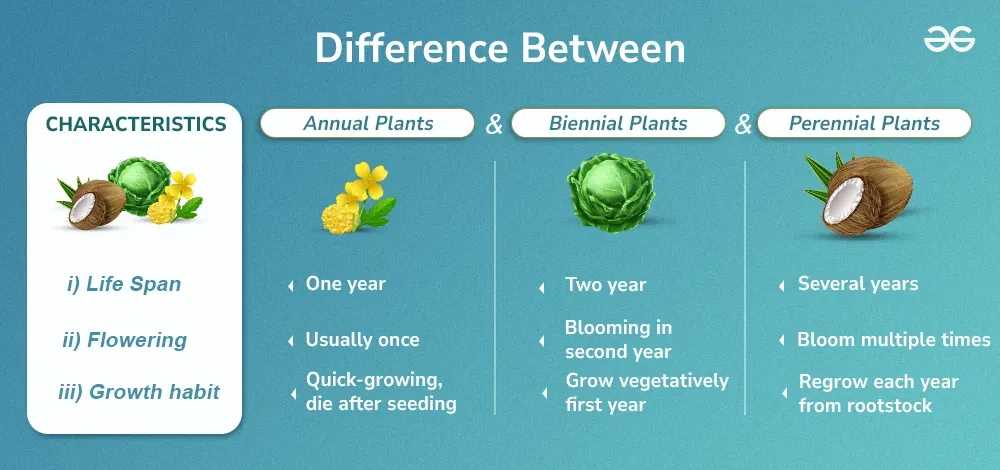
Are you wondering about the differences between annual, perennial, and biennial plants? Here’s a quick answer: Annual plants complete their life cycle in one growing season, biennials take two years to mature and flower, while perennials live for several years, blooming repeatedly. Each type of plant serves a unique purpose in your garden, from providing quick blooms in a single season to establishing lasting beauty year after year. Understanding these distinctions is essential for gardeners looking to plan their spaces effectively. Whether you’re aiming for a low-maintenance garden or one that bursts with color every season, recognizing these plant categories will guide your choices and help you create a thriving green space that meets your aesthetic and practical needs.

Difference Between Annual Perennial Biennial Plants
Understanding the **difference between annual, perennial, and biennial plants** is essential for anyone looking to create a thriving garden. Each of these plant types has unique characteristics, growth patterns, and care requirements. Let’s break down these categories to help you choose the right plants for your gardening needs.
What Are Annual Plants?
**Annual plants** are unique because they complete their life cycle in just one growing season. This means they germinate, grow, flower, and die within a single year. Some common examples of annual plants include petunias, marigolds, and zinnias.
Growing annual plants can be a rewarding experience. They often provide bursts of color and vibrancy to gardens throughout their short lifespan. However, they require replanting each year, which can be a bit of a chore.
Characteristics of Annual Plants
– **Life Cycle**: Germination, growth, flowering, and death all happen within a year.
– **Growth Speed**: Annuals typically grow quickly, making them ideal for instant color.
– **Flowering**: Most annuals offer continuous blooms throughout the growing season.
Many gardeners enjoy planting **annuals** for their vibrant colors and ability to quickly fill in gaps in the landscape. They can often thrive in a variety of conditions, from sunny to partially shaded areas.
What Are Perennial Plants?
In contrast to annuals, **perennial plants** live for more than two years. They typically bloom once a year but can return each growing season without the need for replanting. Popular examples of perennials include daylilies, peonies, and hostas.
Perennials can serve as the backbone of a garden. Once established, they often require less maintenance than annuals. Additionally, they can provide structure and continuity in the landscape.
Characteristics of Perennial Plants
– **Life Cycle**: Perennials go through seasonal cycles but can live for several years.
– **Growth Rate**: They may take longer to establish than annuals but can thrive for many years.
– **Blooming**: Most perennials have specific flowering seasons, adding variety to the garden at different times.
Choosing **perennials** can help create a low-maintenance garden. They often have deep root systems, allowing them to survive in various conditions, including drought.
What Are Biennial Plants?
**Biennial plants** take a different approach. They live for two years, with the first year focused on vegetative growth and the second year dedicated to flowering and seed production. Examples of biennials include foxgloves, hollyhocks, and parsley.
Biennial plants can add diversity to your garden. They can be particularly appealing because they provide a year of lush foliage before producing flowers in their second year. This unique life cycle can enhance the visual interest of your garden.
Characteristics of Biennial Plants
– **Life Cycle**: Biennials complete their life cycle over two years.
– **Growth Pattern**: The first year is focused on leaves and roots, while the second year produces flowers.
– **Seed Production**: After flowering, many biennials will set seeds for the next generation.
Planting **biennials** can create a dynamic landscape. They often look impressive when grouped together, especially when they burst into bloom in their second year.
Comparing Growth Cycles
To truly understand the differences between annual, perennial, and biennial plants, it is helpful to compare their growth cycles side by side.
| Type | Life Cycle | Years to Flower | Examples |
|---|---|---|---|
| Annual | One Growing Season | Same Year | Petunias, Marigolds |
| Perennial | Multiple Years | Varies (1+ Years) | Hostas, Peonies |
| Biennial | Two Years | Second Year | Foxgloves, Hollyhocks |
This table clearly illustrates how each plant type approaches its life cycle. Understanding these differences can help you plan your garden layout and choose plants that will thrive together.
Choosing the Right Plants for Your Garden
When selecting plants for your garden, consider factors like climate, soil type, and the amount of sunlight available. Here are some tips to help you choose the right plants:
- **Annuals** are great for short bursts of color and can be rotated each year.
- **Perennials** can create a stable foundation, returning year after year.
- **Biennials** can add variety and a unique flowering schedule to your garden.
Understanding the differences between these plants will help you design a colorful, dynamic garden. Each type offers something special, whether it’s the instant gratification of annuals or the lasting presence of perennials.
Care Requirements
Each plant type has specific care requirements. Knowing how to care for them can enhance their growth and longevity.
Annual Plant Care
– **Watering**: Annuals usually require frequent watering, especially in hot weather.
– **Fertilization**: Providing regular fertilizer can support their quick growth and blooming.
– **Deadheading**: Removing spent flowers encourages more blooms.
Annuals are often more demanding when it comes to care. Their short life cycle means they need extra attention during their growing season.
Perennial Plant Care
– **Watering**: Most perennials can tolerate dry conditions once established.
– **Fertilization**: Applying fertilizer in the spring can boost growth and blooms.
– **Pruning**: Regular pruning can help maintain shape and promote airflow.
Perennials tend to require less frequent care after they are established. This makes them ideal for busy gardeners.
Biennial Plant Care
– **Watering**: Biennials need consistent moisture, especially during their first year.
– **Fertilization**: Use a balanced fertilizer to support growth in the vegetative phase.
– **Thinning**: Thinning seedlings in the first year helps them establish strong root systems.
Taking care of biennials can be a bit different since their flower production happens in the second year. Proper care in the first year is vital for a successful display later on.
Designing a Diverse Garden
Creating a garden with a mix of annuals, perennials, and biennials can help ensure continuous bloom and diverse aesthetics. Here are some design tips:
- **Layering**: Use taller perennials as a backdrop, with shorter annuals in the front.
- **Seasonal Interest**: Choose plants that flower in different seasons to maintain visual interest.
- **Color Schemes**: Create cohesive color palettes by selecting plants that complement each other.
By mixing different plant types, you can create a garden that offers visual interest at any time of the year.
Common Mistakes to Avoid
Even experienced gardeners can make mistakes when selecting and caring for plants. Here are a few common pitfalls to watch out for:
- **Overwatering**: This is a frequent mistake, especially with annuals. Make sure to check soil moisture before watering.
- **Neglecting Fertilization**: Failing to provide adequate nutrients can stunt growth and reduce blooms.
- **Planting Too Close Together**: This can lead to overcrowded plants and poor air circulation, increasing the risk of disease.
Avoiding these common mistakes will lead to a healthier and more vibrant garden throughout the year.
Ultimately, understanding the **difference between annual, perennial, and biennial plants** helps you make informed decisions for your garden. With the right knowledge and care, you can create a beautiful and thriving outdoor space that brings joy for years to come.
What are annual, biennial & perennial plants? | Gardening 101 | Gardening Australia
Frequently Asked Questions
What are the main characteristics of annual plants?
Annual plants complete their life cycle within a single growing season. They germinate, flower, produce seeds, and die all within one year. This rapid life cycle allows them to take advantage of optimal growing conditions in a short time. Common examples include sunflowers, marigolds, and zinnias.
How do perennial plants differ in terms of growth and lifespan?
Perennial plants live for three years or more. They typically grow and flower in the warm seasons and may go dormant in the colder months, but their root systems remain alive underground. This dormant phase allows them to regrow each spring. Examples of perennials include peonies, hostas, and lavender.
What defines a biennial plant’s growth cycle?
Biennial plants have a two-year life cycle. In the first year, they focus on growing leaves and establishing a root system. In the second year, they flower, produce seeds, and die. Common biennials include foxgloves and hollyhocks.
Can you provide examples of plants that fit each category?
Yes, examples of annual plants include petunias and tomatoes. For perennials, you might consider daylilies and ferns. Biennial plants include carrots and parsley. Each category has its unique benefits and challenges for gardeners.
What are the benefits of planting perennials compared to annuals and biennials?
Perennials often require less maintenance over time since they return year after year, reducing the need for replanting. They also contribute to soil health and provide habitat for wildlife. In contrast, annuals can offer vibrant blooms in the short term, while biennials can provide unique flowering patterns during their specific growing seasons.
Final Thoughts
Annual plants complete their life cycle within one year, producing seeds and dying off. Perennial plants live for multiple years, regrowing each season from their root systems. Biennial plants take two years to complete their life cycle, blooming in the second year before dying.
Understanding the ‘Difference Between Annual Perennial Biennial Plants’ helps gardeners make informed choices. Each type has unique characteristics that cater to specific gardening goals. Selecting the right plants can enhance the beauty and sustainability of your garden.