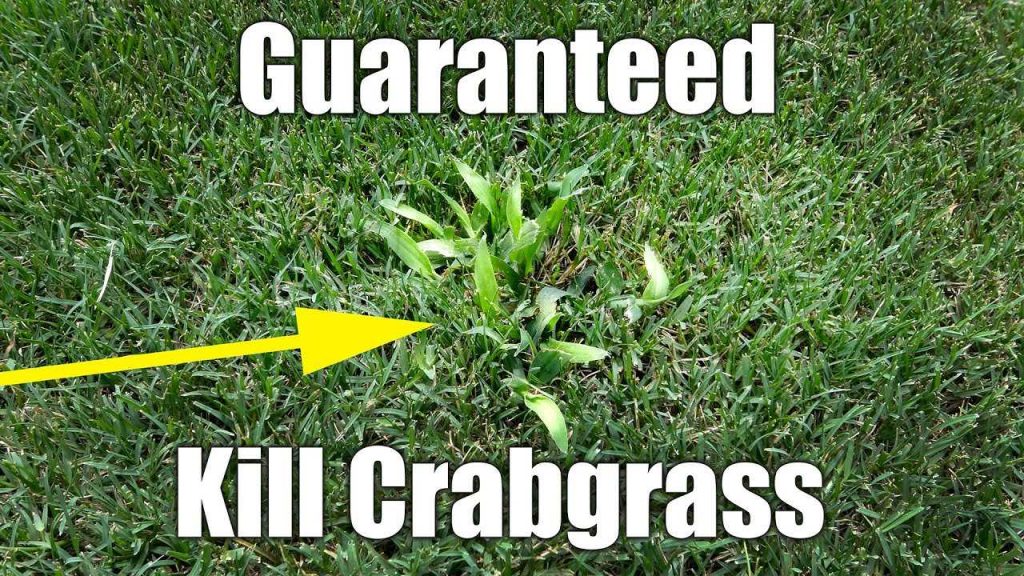
To get rid of crabgrass in Bermuda grass, the best approach is to maintain a healthy, dense lawn through proper watering, mowing, and fertilization, combined with targeted herbicide application during early growth stages. Regular overseeding can also help crowd out crabgrass. Act quickly at the first sign of crabgrass to prevent it from spreading and becoming a major issue.
Crabgrass can turn your lush Bermuda grass lawn into a patchy mess if not tackled early. The key to controlling it is proactive maintenance and timely treatment. By understanding its growth habits and applying the right strategies, you can keep your lawn healthy and crabgrass-free all season long.
Crabgrass is a stubborn weed that often invades Bermuda grass lawns during warm months, spreading rapidly and competing for nutrients and water. It thrives in thin or sparse patches, making your lawn look uneven and unkempt. The good news is that with consistent lawn care practices and appropriate weed control measures, you can effectively eliminate crabgrass and restore your lawn’s lush, green appearance. Knowing when and how to treat crabgrass is crucial for maintaining a beautiful, healthy Bermuda grass yard.

Crabgrass in Bermuda Grass: How to Identify, Control, and Prevent
Understanding Crabgrass and Bermuda Grass
Crabgrass is a common summer weed that often invades Bermuda grass lawns. It is a fast-growing, low-lying weed with a sprawling habit, which makes it easy to spot. Bermuda grass is a popular warm-season grass known for its durability and vibrant green color. When crabgrass appears in Bermuda lawns, it can quickly take over if not controlled early.
Differences Between Crabgrass and Bermuda Grass
Knowing how to distinguish crabgrass from Bermuda grass is essential for effective control. Crabgrass typically has broad, light green leaves with a hairy texture. It spreads by seed and runners, making it invasive. In contrast, Bermuda grass has a finer texture, darker green color, and spreads through both seeds and stolons.
Visual Cues to Identify Crabgrass
- Growth pattern: low to the ground with a spreading habit
- Leaf shape: wide and flat with coarse texture
- Color: lighter green compared to Bermuda
- Seed heads: distinctive, fuzzy seed stalks that appear in late summer
Why Crabgrass Poses a Problem in Bermuda Lawns
Crabgrass can quickly outcompete Bermuda grass, especially during hot and dry weather. Its rapid growth steals nutrients and water from the desired grass, leading to patchy and uneven lawns. Moreover, crabgrass is unsightly and hard to remove once well-established, making it a persistent nuisance.
Conditions Favoring Crabgrass Growth
Crabgrass thrives in certain conditions that are often present in Bermuda lawns. Understanding these conditions can help in prevention.
Temperature
Crabgrass germinates when soil temperatures reach around 55°F to 70°F. It grows aggressively in hot summer weather but becomes less active when temperatures drop.
Soil and Moisture
Crabgrass prefers compacted, poorly drained soil that dries out quickly. It survives in areas with inconsistent watering, making dry patches a hotspot for invasion.
Sunlight
Full sun exposure encourages crabgrass growth, especially in areas with minimal shade. Shaded areas are less prone to crabgrass but may develop different weed issues.
Effective Strategies to Control Crabgrass in Bermuda Grass
Managing crabgrass involves a combination of proactive and reactive measures. Control methods should be applied early for best results.
Pre-Emergence Herbicides
Applying pre-emergence herbicides in early spring, before crabgrass seed germination begins, is crucial. Active ingredients like pendimethalin and prodiamine create a barrier that prevents seed sprouting.
Post-Emergence Herbicides
If crabgrass has already emerged, post-emergence herbicides containing quinclorac or fenoxaprop can help. Select a product safe for Bermuda grass and follow label instructions carefully.
Manual Removal
For small patches, pulling crabgrass by hand is effective. Make sure to remove the entire root system to prevent regrowth. Use a hoe or weeding tool to loosen the soil.
Maintaining a Healthy Bermuda Lawn to Prevent Crabgrass
A dense and healthy Bermuda grass lawn naturally resists weed invasion. Proper maintenance can reduce the chances of crabgrass establishing itself.
Proper Mowing Practices
Keep Bermuda grass mowed at a height of 1.5 to 2 inches. Mowing too short weakens the grass and creates space for weeds to grow.
Watering and Fertilization
Water deeply and infrequently to encourage deep root growth. Fertilize appropriately to promote thick, lush turf that crowds out weeds.
Overseeding and Thatching
Overseeding bare patches and controlling thatch buildup allows the Bermuda grass to spread evenly. This leaves less room for crabgrass to establish.
Seasonal Lawn Care Tips
Proper timing of lawn care activities is essential for crabgrass prevention. Spring and early summer are critical periods for weed control.
Spring Preparations
Apply pre-emergence herbicides before crabgrass seed germinate, usually around late March or early April, depending on your region. Aerate the soil if compacted.
Summer Maintenance
Monitor for crabgrass emergence and apply post-emergence herbicides promptly. Maintain proper mowing and watering routines.
Fall Cleanup
Rake and remove dead plant material to prevent weed seeds from overwintering. Prepare the lawn for the dormant period with appropriate fertilization.
Additional Tips for Managing Crabgrass
Integrate these practices into your lawn care plan for ongoing control.
- Avoid excessive fertilization during summer, which encourages crabgrass growth
- Limit soil disturbance to prevent seed dispersal
- Ensure your lawn receives adequate sunlight by trimming overhanging branches
- Use natural weed suppressants like corn gluten meal as a preventative measure
Related Topics: Soil Health and Weed Resistance
Healthy soil improves Bermuda grass vigor, helping it compete against weeds. Regular aeration and proper pH balance can prevent conditions that favor crabgrass.
Understanding Weed Resistance
Repeated use of the same herbicide can lead to resistant crabgrass strains. Rotate herbicides and combine cultural practices for more effective control.
Monitoring and Early Detection
Regularly inspect your lawn during the growing season. Early detection allows for swift action before crabgrass spreads extensively.
Summary of Key Points
Invasion of crabgrass in Bermuda grass is a common problem that can be effectively managed with proper identification, timely control measures, and good lawn maintenance. Prevention through pre-emergence herbicides combined with healthy turf practices forms the backbone of an effective weed management plan. Understanding the growth habits and environmental preferences of crabgrass helps homeowners maintain a lush, uniform lawn without unwelcome weeds.
By implementing these strategies, you can maintain a vibrant Bermuda grass lawn that resists invasive weeds and stays healthy throughout the season. Stay vigilant and proactive, and your lawn will stay beautiful year-round, free of crabgrass intruders.
Safely Kill Crabgrass in Bermuda Lawn
Frequently Asked Questions
What are the best methods to prevent crabgrass from spreading in Bermuda grass?
To prevent crabgrass from spreading in Bermuda grass, apply a pre-emergent herbicide in early spring before crabgrass seeds germinate. Maintain a healthy, dense Bermuda grass lawn by regular mowing, watering, and fertilization, which can help outcompete crabgrass. Additionally, overseeding thin areas ensures a uniform turf that resists weed invasion. Avoid overwatering, as excessive moisture encourages crabgrass growth.
How can I effectively remove existing crabgrass from my Bermuda lawn?
To remove existing crabgrass, manually pull out the weeds, making sure to remove roots to prevent new growth. You can also use a selective post-emergent herbicide specifically formulated for crabgrass control, following product instructions carefully. Regularly mowing the lawn at the recommended height helps prevent crabgrass from producing seeds. Strengthening your Bermuda grass via fertilization makes it more competitive against weeds.
Does maintaining proper mowing height help control crabgrass?
Yes, mowing Bermuda grass at the correct height—around 1 to 1.5 inches—shadows the soil and reduces the chances for crabgrass seeds to germinate. Keeping the grass somewhat taller can help shade the soil surface, making it less hospitable for crabgrass. Consistent mowing also encourages a dense turf, which naturally suppresses weed growth, including crabgrass.
What season is ideal for applying crabgrass preventatives in Bermuda grass?
The best time to apply crabgrass preventatives is in early spring, just as soil temperatures reach around 55°F to 60°F. This pre-emergent herbicide application blocks crabgrass seed germination. Reapply in late spring if conditions favor continued weed pressure or if the herbicide’s effectiveness dimin’t last through the season. Always follow local climate patterns for precise timing.
Can soil health influence crabgrass growth in Bermuda lawns?
Absolutely. Healthy, well-balanced soil promotes vigorous Bermuda grass growth, which can outcompete crabgrass and other weeds. Incorporate organic matter and ensure proper aeration to improve soil drainage and nutrient availability. Reducing soil compaction and maintaining optimal pH levels create a less favorable environment for crabgrass while supporting strong turf development.
Final Thoughts
Crabgrass in bermuda grass presents a common challenge for homeowners. It competes with your lush grass for nutrients and space, often overtaking the lawn if not managed promptly. Proper mowing, watering, and fertilization help keep crabgrass at bay. Applying pre-emergent herbicides during early spring provides effective control. Staying vigilant and maintaining healthy bermuda grass ensures your lawn remains green and weed-free.