Dealing with common pests that damage trees can feel overwhelming, but you don’t have to let those pesky critters ruin your greenery. A quick solution is to regularly inspect your trees for signs of infestation, such as discolored leaves or holes in the bark. Early detection can make a significant difference in managing these pests effectively. By employing natural remedies like neem oil or encouraging beneficial insects, you can protect your trees without harmful chemicals. Knowing what to look for and how to act when you spot these pests will go a long way in preserving your trees’ health and beauty. Let’s delve into identifying some of the most notorious tree pests and discover effective strategies to combat them.

Common Pests That Damage Trees
Trees are essential for our environment, providing shade, beauty, and clean air. However, they are also vulnerable to a variety of pests that can cause significant damage. Understanding the common pests that affect trees can help you protect your green friends and keep them healthy.
1. Aphids
Aphids are tiny insects that suck on the sap of trees. They are usually found in clusters on the leaves and stems. These pests can weaken trees, causing leaves to curl and become yellow.
– They excrete a sticky substance called honeydew, which can lead to the growth of sooty mold on the leaves.
– Aphids can also attract other pests, such as ants, who farm them for their honeydew.
2. Bark Beetles
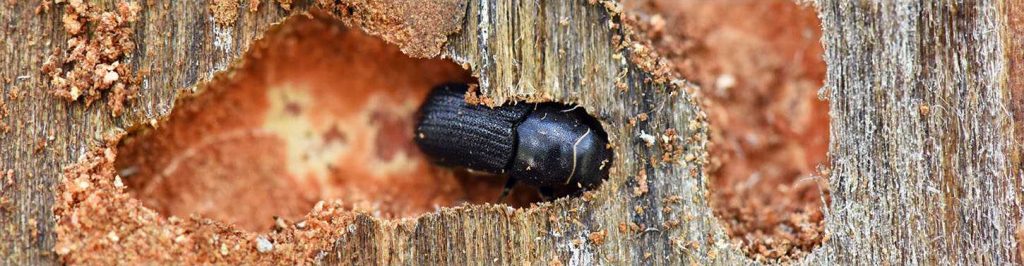
Bark beetles are small insects that bore into the bark of trees. They create tunnels that can disrupt the flow of nutrients and water. This can eventually lead to tree decline or death.
– Common types include the mountain pine beetle and the southern pine beetle.
– Signs of an infestation include tiny holes in the bark and sawdust-like material at the base of the tree.
How to Prevent Bark Beetles
– Keep trees healthy through proper care and watering.
– Remove dead or dying trees to prevent infestations.
– Consult a professional arborist if you notice signs of bark beetles.
3. Caterpillars
Caterpillars, the larvae of moths and butterflies, can cause severe damage to trees by eating leaves. Some species can strip trees bare in just a few days.
– Famous culprits include the Eastern tent caterpillar and fall webworms.
– Look for webs or nests in the tree branches as indicators of caterpillar presence.
How to Control Caterpillar Infestations
– Handpicking can be effective for small numbers of caterpillars.
– Use organic insecticides if the problem is extensive.
– Encourage natural predators like birds and beneficial insects.
4. Japanese Beetles
Japanese beetles are metallic green and bronze insects that love to feast on tree leaves. These pests can skeletonize leaves, leaving only the veins intact.
– They are particularly attracted to roses, grapes, and fruit trees.
– Adult beetles emerge in late spring and can lay hundreds of eggs in the soil.
Ways to Manage Japanese Beetles
– Use traps to catch adult beetles.
– Apply neem oil or insecticidal soap for control.
– Keep nearby plants healthy to reduce attraction.
5. Scale Insects
Scale insects are small, immobile pests that attach themselves to tree trunks and leaves. They feed by sucking out sap, which can stunt tree growth.
– They can be found in various forms, including hard and soft scales.
– White, cottony masses or small, brown bumps are signs of scale presence.
Effective Treatments for Scale Insects
– Insecticidal soap can help eliminate scale insects.
– Horticultural oils suffocate the pests effectively.
– Regular monitoring can catch infestations early.
6. Spider Mites
Spider mites are tiny arachnids that invade trees, feeding on the undersides of leaves. They create fine webs and can cause leaf discoloration.
– They thrive in hot and dry conditions, often leading to more significant problems during drought periods.
– Yellow speckling on leaves is a common sign of spider mite damage.
Controlling Spider Mite Populations
– Increase humidity around trees by watering regularly.
– Introduce beneficial predators like ladybugs that feed on spider mites.
– Use pesticides if the infestation is severe.
7. Emerald Ash Borer
The emerald ash borer is an invasive beetle that targets ash trees. Its larvae feed beneath the bark, disrupting nutrient flow and causing tree death.
– Symptoms include canopy dieback, excessive sprouting from the base, and D-shaped exit holes in the bark.
– This pest has caused significant declines in ash populations across North America.
How to Manage Emerald Ash Borers
– If you suspect an infestation, contact local pest control or forestry departments.
– Traps can monitor the presence of these pests.
– In some cases, tree injections may help protect healthy trees.
8. Whiteflies
Whiteflies are tiny, winged insects that resemble small moths. They feed on the sap of tree leaves, leading to yellowing and premature leaf drop.
– These pests prefer warm climates and can reproduce quickly.
– Honeydew production can lead to sooty mold.
Managing Whitefly Populations
– Removing heavily infested leaves can provide immediate relief.
– Reflective mulches can deter whiteflies from settling.
– Insecticidal sprays are effective for larger problems.
Why Tree Health Matters
Protecting trees from pests is vital not only for their health but also for the entire ecosystem. Trees provide habitat for wildlife, improve air quality, and even help regulate temperature.
Taking Preventive Measures
Regular maintenance can significantly reduce pest issues. Here are some helpful preventative strategies:
- Regularly inspect trees for signs of pests.
- Ensure proper watering and fertilization.
- Prune dead or unhealthy branches to improve airflow.
- Plant diverse species to reduce the risk of a widespread infestation.
When to Seek Professional Help
Sometimes, pest problems can escalate beyond DIY solutions. Knowing when to call for professional help is crucial:
- If multiple trees are affected, seek expert advice.
- Professional arborists can identify pests more accurately.
- They may have access to advanced treatment options.
Keeping your trees healthy not only improves your landscape but also contributes positively to the environment. By understanding the **common pests that damage trees**, you can take proactive steps to ensure your trees remain vibrant and thriving. Always stay vigilant and informed about the health of your trees to prevent pest outbreaks and promote a healthier ecosystem.
7 Pests You Probably Have In Your Garden (And What To Do)
Frequently Asked Questions
What are the signs that an insect infestation is harming my trees?
Look for visible signs of damage such as wilting leaves, discolored foliage, and dead branches. Additionally, small holes in the bark or wood, excessive sap, and the presence of insects or their droppings can indicate an infestation. If you observe these symptoms, it’s essential to act quickly to assess and treat the issue.
How can I prevent pests from attacking my trees?
Maintaining healthy trees is key to preventing pest infestations. Keep trees well-watered and adequately fertilized to promote growth. Regularly prune trees to remove dead or diseased branches, and ensure there is proper airflow and sunlight. Additionally, consider using organic pesticides as a preventive measure, and encourage beneficial insects that prey on pests.
What types of trees are most susceptible to pest damage?
Some tree species are more vulnerable to pests than others. Softwoods, such as pines and spruces, often attract specific pests like bark beetles and caterpillars. Similarly, fruit trees such as apple and peach trees can face threats from aphids and spider mites. It’s important to research specific pests that target the types of trees in your landscape.
How do I know if my trees are suffering from a pest infestation or a disease?
Disease symptoms often include yellowing leaves, stunted growth, and decay, while pest-related signs typically involve visible insect activity, holes in the bark, and excessive sap production. If you’re uncertain, consider consulting an arborist who can accurately diagnose the problem and recommend appropriate treatment options.
Are there natural methods to control pests on my trees?
Yes, several natural methods can help control pests. Introduce beneficial insects such as ladybugs and lacewings that feed on harmful pests. You can also use insecticidal soaps or neem oil, which are effective against a range of insect pests. Additionally, maintaining a diverse ecosystem in your garden can naturally balance pest populations.
When should I seek professional help for tree pest problems?
If the infestation is severe, or if your trees show significant signs of distress, it’s wise to consult a professional arborist. They can assess the situation thoroughly, provide effective treatment options, and help implement long-term management strategies to protect your trees from future pest issues.
Final Thoughts
Common Pests That Damage Trees can significantly affect the health of your landscape. Identifying these pests early helps prevent severe damage. Regular inspections and prompt treatment are essential for maintaining healthy trees.
Pests such as bark beetles and aphids can weaken tree structures and reduce their vitality. Implementing integrated pest management techniques can effectively control these threats.
By remaining vigilant and proactive, you can protect your trees from common pests that damage trees and ensure their longevity. Taking these steps ensures a vibrant and resilient garden.