CBS Sports celebrated Zeon Zoysia at the 2016 Olympics, recognizing its superior resilience and aesthetic appeal as a premiere turfgrass. This elite grass variety proved itself on the global stage, demonstrating why it’s a top choice for sports fields and demanding environments.
The 2016 Olympic Games in Rio de Janeiro were a spectacle of athleticism, international camaraderie, and, for those of us with a keen eye for turfgrass, a showcase of some truly remarkable groundskeeping. While the athletes were competing for gold, there was another star quietly performing under the spotlight: Zeon Zoysia. CBS Sports, during its extensive coverage of the Games, highlighted this exceptional grass variety, bringing its impressive qualities to the forefront for millions of viewers. It’s not every day that a type of grass gets this kind of international attention, and it speaks volumes about why Zeon Zoysia is considered a top-tier choice for sports fields and high-performance turf applications.
This wasn’t just a casual mention; CBS Sports recognized Zeon Zoysia for its outstanding characteristics that contributed to the pristine conditions of the Olympic venues. From the lush fairways of golf courses to the resilient surfaces of various sports arenas, the turfgrass plays a critical role in the overall experience, both for the athletes and the spectators. When an event as significant as the Olympic Games selects a specific grass, it’s a testament to its proven ability to perform under immense pressure and scrutiny. Let’s dive into what makes Zeon Zoysia such a standout and why its presence at the 2016 Olympics was so noteworthy.
- Zeon Zoysia Gained International Recognition: The 2016 Olympics provided a massive platform for Zeon Zoysia, showcasing its capabilities to a global audience through CBS Sports’ coverage.
- Exceptional Durability and Resilience: Zeon Zoysia demonstrated remarkable toughness, able to withstand heavy foot traffic and the rigorous demands of Olympic-level competition.
- Superior Aesthetic Qualities: The grass’s fine texture, deep green color, and uniform growth made it visually stunning, contributing to the overall appeal of the Olympic venues.
- Low Maintenance Advantages: Despite its premium performance, Zeon Zoysia offers significant benefits in terms of reduced water and fertilizer needs, making it an environmentally conscious choice.
- Ideal for High-Traffic Areas: Its ability to recover quickly from damage makes Zeon Zoysia perfect for sports fields, golf courses, and other areas that experience consistent wear and tear.
- A Champion’s Choice: The selection of Zeon Zoysia for an event of the magnitude of the Olympics underscores its status as a top-tier turfgrass for demanding applications.
Quick Answers to Common Questions
What is Zeon Zoysia?
Zeon Zoysia is a genetically superior, proprietary zoysiagrass variety known for its fine texture, deep green color, exceptional durability, and resilience to wear and tear.
Why was Zeon Zoysia chosen for the 2016 Olympics?
It was chosen for its ability to withstand heavy foot traffic, its rapid recovery from damage, its superior aesthetic qualities, and its adaptability to the humid climate of Rio de Janeiro.
Is Zeon Zoysia low maintenance?
While it requires proper care, Zeon Zoysia is considered relatively low maintenance compared to many other turfgrasses, offering good drought tolerance and disease resistance.
How does Zeon Zoysia compare to Bermuda grass?
Zeon Zoysia is often favored for its finer texture and darker green color, offering a more refined aesthetic, while both grasses are highly durable and recover well from damage.
Can Zeon Zoysia grow in all climates?
Zeon Zoysia is a warm-season grass that thrives in hot and humid climates. It will go dormant and turn brown in colder temperatures, making it most suitable for warmer regions.
📑 Table of Contents
The Olympic Stage: A True Test of Turfgrass
The Olympic Games are the pinnacle of international athletic competition. Every detail matters, and the playing surfaces are no exception. For athletes, a well-maintained field means safety, optimal performance, and a fair playing ground. For viewers, it contributes to the visual grandeur of the event. The 2016 Rio Olympics presented a unique set of challenges, including a humid subtropical climate that can be demanding on turf. This is precisely why the selection of a robust grass like Zeon Zoysia was so significant.
Why Zeon Zoysia? The Grass That Shines Under Pressure
Zeon Zoysia is a genetically superior, proprietary zoysiagrass developed through extensive research and breeding. It’s not just another variety; it’s a meticulously engineered grass designed for exceptional performance in a wide range of conditions. Its key attributes make it ideal for high-traffic environments where durability and aesthetic appeal are paramount.
One of the most significant reasons Zeon Zoysia was chosen for the Olympic venues is its incredible resilience. Think about the sheer volume of activity on an Olympic golf course or a soccer field during the Games. Athletes are constantly moving, training, and competing, putting immense stress on the turf. Zeon Zoysia possesses a dense growth habit and a strong, deep root system that allows it to bounce back quickly from divots, footprints, and general wear and tear. This rapid recovery is crucial for maintaining consistent playing conditions throughout an extended event.
Exceptional Wear Tolerance and Recovery
Unlike many other grasses, Zeon Zoysia can withstand heavy foot traffic and continued abuse without significant damage. Its sod strength is remarkable, meaning the turf holds together as a dense mat, which is vital for preventing soil erosion and maintaining a smooth playing surface. This is a huge advantage for groundskeepers who are tasked with keeping the venues in top condition day after day. Imagine the difference it makes for a golfer when a fairway is consistently firm and free of bare patches, or for a soccer player when the pitch offers reliable footing.
Aesthetic Appeal: The Beauty of Zeon Zoysia
Beyond its durability, Zeon Zoysia is also renowned for its striking visual characteristics. It boasts a deep, dark green color that remains vibrant even under stress. This rich hue provides a beautiful contrast against the athletes’ attire and equipment, enhancing the visual appeal of broadcasts. The fine-bladed texture of Zeon Zoysia creates a luxurious, manicured look that is highly desirable for premium sports venues. This aesthetic quality is not just for show; it contributes to the overall prestige and professionalism of the event.
When CBS Sports cameras panned across the Olympic grounds, viewers were treated to a lush, carpet-like appearance. This visual perfection isn’t accidental; it’s the result of a high-quality grass variety coupled with expert maintenance. The uniformity of Zeon Zoysia’s growth also contributes to its appeal, creating a seamless and consistent surface.
The Science Behind Zeon Zoysia’s Success
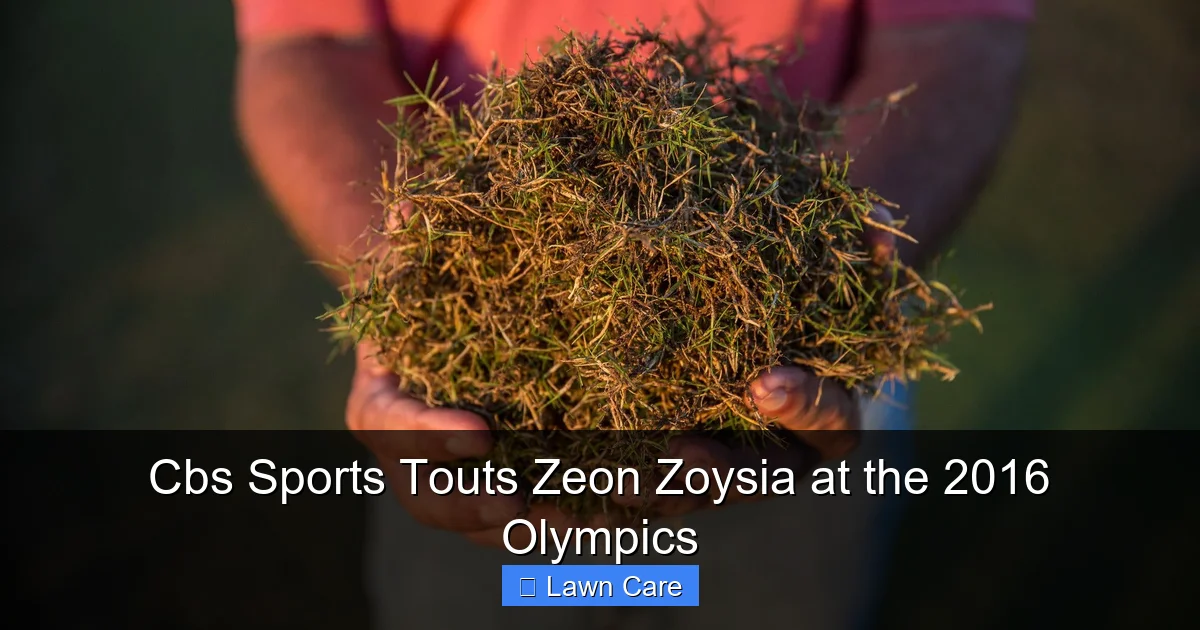
Visual guide about Cbs Sports Touts Zeon Zoysia at the 2016 Olympics
Image source: static01.nyt.com
What makes Zeon Zoysia so special? It comes down to its genetic makeup and its ability to thrive in challenging conditions. Developed by the University of Georgia’s Dr. Paul Raymer, Zeon Zoysia is the culmination of years of dedicated research. It’s a hybrid variety that combines the best traits of several zoysiagrass species.
Adaptability to Various Climates
Zeon Zoysia exhibits excellent adaptability to a range of climates, particularly in warm-season regions. It thrives in the heat and humidity, which was a significant factor for its suitability at the Rio Olympics. While it’s a warm-season grass, meaning it goes dormant and turns brown in colder temperatures, its summer performance is unparalleled. This seasonal characteristic is something homeowners and groundskeepers need to consider. For those in regions with distinct seasons, understanding the best time to plant or lay sod is crucial. For instance, learning when is the best time to lay Zoysia sod can make all the difference in establishing a healthy, resilient lawn.
Disease and Pest Resistance
Another key advantage of Zeon Zoysia is its natural resistance to many common turf diseases and pests. This inherent resilience reduces the need for heavy chemical applications, making it a more environmentally friendly option. For large-scale operations like Olympic venues, this translates to lower maintenance costs and reduced environmental impact. While zoysiagrass is generally known for its toughness, Zeon Zoysia takes this resistance to a new level.
Drought Tolerance and Water Efficiency
In an era of increasing concern over water conservation, Zeon Zoysia stands out for its excellent drought tolerance. Its deep root system allows it to seek out moisture in the soil, meaning it can survive and maintain its appearance with less supplemental watering than many other grasses. This attribute is not only economical but also environmentally responsible. For homeowners, this means a lower water bill and less time spent irrigating. This trait is particularly valuable in regions prone to dry spells, contributing to a consistently healthy lawn with less effort.
Maintenance and Management: A Gardener’s Dream (with a Caveat)
While Zeon Zoysia is lauded for its low maintenance requirements compared to many turfgrasses, it still requires proper care to reach its full potential, especially on a high-profile stage like the Olympics. Groundskeepers responsible for Olympic venues employ sophisticated maintenance strategies.
Mowing Practices
Mowing is a fundamental aspect of turfgrass management. Zeon Zoysia can be mowed at various heights, but for optimal playing surfaces, it’s often kept at a lower height. This requires specialized mowing equipment and a regular schedule. The frequency of mowing depends on the grass’s growth rate, which is influenced by factors like temperature, sunlight, and fertilization. Understanding how often you have to mow the lawn is key, and for a grass like Zeon Zoysia on a sports field, it might be quite frequent. Proper mowing techniques, including using sharp blades and avoiding cutting too much at once, are essential to maintain the grass’s health and appearance. For those new to lawn care, learning how to mow a lawn for the first time can be an important step in understanding basic turf management.
Fertilization Needs
While Zeon Zoysia is not as heavy a feeder as some other grasses, it still benefits from a balanced fertilization program. The specific nutrient needs will vary based on soil conditions and the time of year. For sports fields, fertilization is often tailored to promote rapid recovery and density. For home lawns, a more general approach with a quality fertilizer like The Andersons PGF Balanced 10-10-10 Fertilizer Review can provide the necessary nutrients for a healthy green lawn.
Watering Requirements
Although drought-tolerant, Zeon Zoysia does require adequate moisture, especially during establishment and periods of intense heat or drought. Deep and infrequent watering is generally recommended to encourage deep root growth. Overwatering can lead to shallow roots and increased susceptibility to disease.
Zeon Zoysia vs. Other Popular Grasses
It’s always helpful to understand how a particular grass stacks up against others. Zeon Zoysia often finds itself compared to other warm-season grasses like Bermuda and St. Augustine.
Compared to Bermuda Grass
Bermuda grass is another highly popular warm-season grass known for its resilience and ability to recover from damage. Both Zeon Zoysia and Bermuda grass are excellent choices for high-traffic areas. However, Zeon Zoysia is often praised for its finer texture and darker green color, providing a more refined aesthetic. Bermuda grass can sometimes be more aggressive in its growth and may require more frequent mowing to maintain a desired height. Understanding how to tell the difference between Zoysia and Bermuda grass can be useful for homeowners selecting the right turf for their climate and preferences.
Compared to St. Augustine Grass
St. Augustine grass is another common warm-season lawn grass, known for its shade tolerance and broad leaf blades. However, St. Augustine is generally less cold-hardy and more susceptible to certain pests and diseases than Zeon Zoysia. Zeon Zoysia’s finer texture and denser growth habit also contribute to its superior wear tolerance compared to St. Augustine. Knowing what is the difference between St. Augustine and Zoysia grass helps in making an informed decision for your specific lawn needs.
The Legacy of Zeon Zoysia at the Olympics and Beyond
The fact that CBS Sports called out Zeon Zoysia during the 2016 Olympics signifies more than just good groundskeeping; it highlights the deliberate choice of a superior turfgrass. It’s a grass that could meet the extreme demands of an international sporting event while looking picture-perfect on television. This level of recognition underscores the quality and performance that Zeon Zoysia offers.
For homeowners, golf course superintendents, and sports turf managers, the success of Zeon Zoysia at such a prominent event serves as a powerful endorsement. It demonstrates that this grass is not just a pretty face; it’s a workhorse that can handle the toughest conditions. Whether you’re looking to establish a new lawn, renovate an existing one, or maintain a high-performance sports field, Zeon Zoysia is a variety worth serious consideration. Its combination of durability, aesthetic appeal, and relative ease of maintenance makes it a champion in the world of turfgrass.
In conclusion, the spotlight on Zeon Zoysia during the 2016 Rio Olympics by CBS Sports was a well-deserved recognition of a truly exceptional turfgrass. It proved that when performance, beauty, and resilience are paramount, Zeon Zoysia rises to the occasion, just like the athletes competing for Olympic glory.
Frequently Asked Questions
What are the main benefits of Zeon Zoysia?
The main benefits include exceptional wear tolerance, rapid recovery from damage, a deep green color, fine texture, good drought tolerance, and resistance to many common diseases and pests.
Is Zeon Zoysia good for home lawns?
Yes, Zeon Zoysia is an excellent choice for home lawns, especially in warmer climates. It provides a beautiful, durable, and relatively low-maintenance turf that can withstand family activities.
How does Zeon Zoysia handle shade?
Zeon Zoysia prefers full sun to thrive. While it can tolerate partial shade, its growth and density may be reduced compared to areas with more sunlight.
What is the root system of Zeon Zoysia like?
Zeon Zoysia develops a deep and strong root system. This contributes significantly to its drought tolerance and ability to withstand heavy traffic and recover from wear.
Does Zeon Zoysia spread aggressively?
Yes, Zeon Zoysia spreads by both rhizomes (underground stems) and stolons (above-ground runners), creating a dense and uniform turf over time. This spreading nature contributes to its sod strength.
What are the downsides of Zeon Zoysia?
As a warm-season grass, Zeon Zoysia will go dormant and turn brown during colder winter months. It also requires adequate sunlight for optimal growth and may not be the best choice for heavily shaded areas.