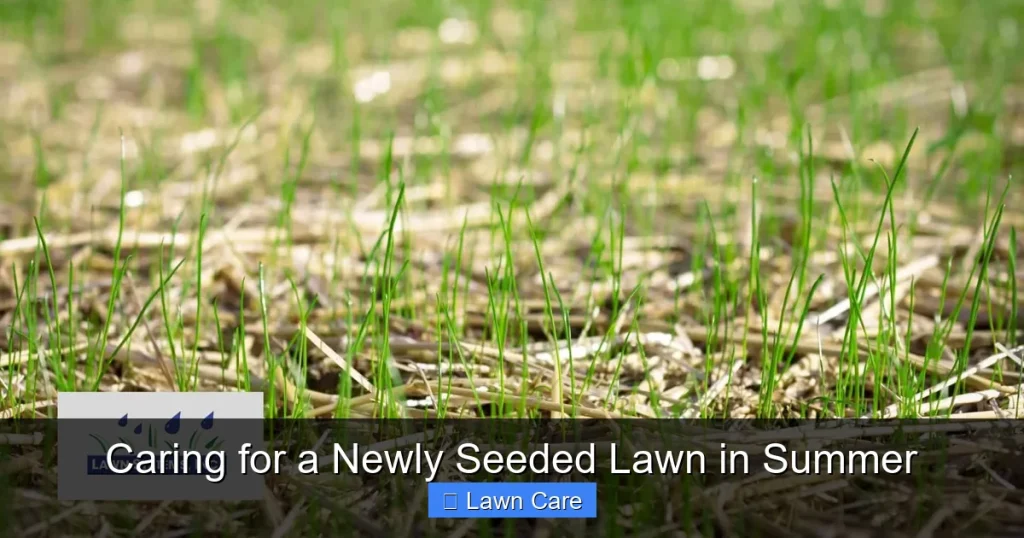
Caring for a newly seeded lawn in summer presents unique challenges, but with the right approach, you can achieve a thriving, green carpet. Consistent, gentle watering is crucial, alongside mindful fertilization and protection from the harsh summer sun and heat.
## Thriving Greens: Caring for a Newly Seeded Lawn in Summer
Starting a new lawn from seed in the summer can feel like a race against the sun. The intense heat and potential for dry spells can make even the most seasoned gardener anxious about their delicate new seedlings. But don’t let the summer heat deter your dreams of a lush, green carpet! With a bit of know-how and a lot of care, you can absolutely nurture your newly seeded lawn to victory against the elements. It’s all about understanding the specific needs of young grass and adapting your care routine to the demands of the season.
Imagine this: you’ve just finished spreading your grass seed, envisioning the beautiful lawn that will soon emerge. You’ve put in the work, and now it’s time for nature to do its part, with your help. Summer brings its own set of hurdles, from scorching temperatures to the constant battle for moisture. However, by focusing on the fundamentals of hydration, nutrition, and protection, you can give your new grass the best possible chance to establish strong roots and healthy growth. This guide is designed to walk you through each step, making the process less daunting and more rewarding.
## The Golden Rule: Watering Your New Summer Lawn
Watering is, without a doubt, the most critical aspect of caring for a newly seeded lawn, especially in the summer. Those tiny sprouts are incredibly vulnerable, and consistent moisture is their lifeline. The goal is to keep the top inch of soil consistently damp, never completely dry, and also never waterlogged. Think of it as giving them a gentle, frequent drink rather than a flood.
### The Art of Frequent, Light Watering
During the initial germination period, which can take anywhere from 7 to 21 days depending on the grass type and weather conditions, you’ll need to water several times a day. This might sound like a lot, but it’s essential. The seeds need constant moisture to sprout, and the shallow root systems of young seedlings can’t draw water from deep in the soil.
* **Morning Dew is Your Friend:** The best time to water is early in the morning, ideally between 4 AM and 10 AM. This allows the water to soak into the soil before the sun’s rays intensify, significantly reducing evaporation. Watering this early also helps prevent fungal diseases that can thrive in damp conditions overnight.
* **Misting is Key:** Use a gentle spray or mist setting on your hose or sprinkler. You don’t want to dislodge the seeds or wash them away. The aim is to moisten the surface without creating puddles or runoff.
* **Adjust as Needed:** As the seedlings grow and temperatures fluctuate, you’ll need to adjust your watering schedule. On hotter days, you might need to water more frequently. On cooler, cloudy days, you might be able to water a little less. Pay attention to the soil; if it starts to look dry, it’s time to water. Learning how much water does a newly seeded lawn need is vital for success.
### Watering Established Seedlings
Once your grass starts to sprout and grow into tiny blades, you can gradually reduce the frequency of watering but increase the duration. The goal shifts from keeping the surface constantly damp to encouraging deeper root growth.
* **Deeper, Less Frequent:** Aim to water less often but for longer periods. This encourages the roots to grow deeper in search of moisture, making the grass more resilient to dry spells.
* **Check Soil Moisture:** Continue to check the soil moisture by inserting a finger or a screwdriver about two inches into the ground. If it feels dry at that depth, it’s time to water.
* **Avoid Midday Watering:** While it might seem intuitive to water when it’s hot, watering in the midday sun can cause water to evaporate before it reaches the roots and can even scorch the young grass blades. It’s generally not recommended to water during the hottest part of the day.
## Fertilizing for a Strong Start
Fertilizing a newly seeded lawn in summer requires a delicate touch. Young grass needs nutrients to grow, but its roots are still developing, making it susceptible to “burn” from over-fertilization. The right type and amount of fertilizer can make a significant difference in establishment and overall health.
### Choosing the Right Fertilizer
A starter fertilizer is your best bet for a newly seeded lawn. These fertilizers are typically high in phosphorus, which is crucial for root development. Nitrogen is also important for green growth, but it should be present in a lower proportion than phosphorus for starter formulas.
* **Look for a “Starter Fertilizer”:** These are specifically formulated to help new grass establish strong roots. They often have an N-P-K ratio that favors phosphorus (the middle number). For example, a 10-20-10 or similar ratio.
* **Slow-Release Nitrogen:** If you opt for a fertilizer with higher nitrogen, ensure it’s a slow-release formula. This provides a steady supply of nutrients over time without overwhelming the young grass.
### When and How to Fertilize
Timing is everything when it comes to fertilizing a new lawn. You don’t want to fertilize before the grass has germinated, as the fertilizer can prevent the seeds from sprouting.
* **After Germination:** Wait until your grass has germinated and has been mowed at least once. This indicates that the seedlings are strong enough to handle fertilization. You can learn more about how to fertilize newly seeded lawn in summer by checking out our detailed guide.
* **Follow Instructions Carefully:** Always read and follow the fertilizer package instructions precisely. Over-fertilizing is a common mistake that can seriously damage or even kill young grass. If you’re unsure, err on the side of using less.
* **Water After Fertilizing:** It’s generally a good practice to water your lawn after applying fertilizer to help it dissolve and move into the soil, and to prevent fertilizer granules from burning the grass blades. Always check the fertilizer’s specific recommendations on this. Some recommend watering before, some after, and some both.
## Protecting Your New Grass from Summer’s Harshness
Summer brings challenges beyond just heat and dryness. Pests, weeds, and excessive foot traffic can all wreak havoc on your tender new lawn. A little proactive protection can go a long way.
### The Sun and Heat Factor
Young grass is more susceptible to sun scorch and heat stress than established turf. While you can’t control the weather, you can take steps to mitigate its effects.
* **Temporary Shade:** If possible, consider setting up temporary shade structures over particularly vulnerable areas during the hottest part of the day. This could be as simple as shade cloth or even a strategically placed umbrella.
* **Mulching Lightly:** A very thin layer of straw can help retain soil moisture and provide a bit of insulation from the sun. Ensure it’s a light layer; too much straw can block sunlight from reaching the seedlings.
* **Avoid Foot Traffic:** Keep pets and people off the newly seeded area as much as possible until the grass is well-established. Even light foot traffic can compact the soil and damage fragile new blades.
### Weed Control Challenges
Weeds are opportunistic, and they’ll quickly try to invade any bare spots or areas where your new grass is struggling. However, most herbicides are too harsh for young grass.
* **Hand-Pulling is Best:** The safest and most effective method for weed control on a newly seeded lawn is hand-pulling. Get them when they are small, and try to get the roots.
* **Pre-Emergent Caution:** If you must use a pre-emergent herbicide, be extremely careful. Ensure it’s specifically labeled for use on newly seeded lawns and follow the directions to the letter. Timing is critical; applying it too early or too late can be detrimental.
### Pest Patrol
Insects can also be a problem, feasting on tender new grass. Inspect your lawn regularly for signs of pest activity.
* **Identify the Pest:** Before taking action, try to identify the specific pest. Different pests require different treatments.
* **Beneficial Nematodes:** For some common lawn pests, beneficial nematodes can be a natural and effective solution.
* **Least Toxic Options First:** If you need to use insecticides, opt for the least toxic options available and always follow application instructions carefully.
## The First Mow: A Milestone Moment
Mowing your new lawn for the first time is a big milestone, but it needs to be done correctly to avoid damaging your hard work. The key is to be gentle.
### When to Mow
Wait until your grass reaches a height of about 3 to 4 inches. This indicates that the grass has developed a strong enough root system to withstand mowing. Trying to mow too soon can pull up the young grass by its roots.
### How to Mow
* **Sharp Blade is Essential:** Always use a mower with a sharp blade. A dull blade will tear the grass, leaving jagged edges that can dry out and turn brown, making the lawn look unhealthy. This is also true for maintaining established lawns. Check out our guide on how to mow a lawn for the first time for more tips.
* **Raise Your Mower:** Set your mower to its highest cutting setting. The general rule of thumb is to never remove more than one-third of the grass blade’s height at any given mowing. For the first mow, you might even consider cutting slightly higher than your normal setting.
* **Avoid Scalping:** Be very careful not to scalp the lawn, which means cutting the grass too short, exposing the soil. This can lead to stress, weed invasion, and uneven growth.
* **Consider Mowing Patterns:** While not strictly necessary for the first mow, you can start thinking about mowing patterns for the future. Some prefer a checkerboard pattern for aesthetic appeal, which can help promote even growth. For more on this, you can read about how to mow a checkerboard pattern in your lawn.
## Dealing with Summer Lawn Problems
Even with the best care, you might encounter some common summer lawn issues. Understanding how to address them quickly and effectively will help keep your new lawn healthy.
### Brown Patches
Brown patches can appear for various reasons, from disease to grubs to simple drought stress.
* **Check for Moisture:** First, ensure the area is receiving adequate water. If the soil is dry, increase watering.
* **Inspect for Pests:** Look for signs of grubs or other insects by carefully digging up a small section of the affected area.
* **Disease Identification:** If disease is suspected, identify the type of fungal disease and research appropriate, grass-safe treatments. Often, improving air circulation and proper watering can help.
### Uneven Growth
Uneven growth is common in new lawns. It can be due to inconsistent seed distribution, varying soil conditions, or uneven watering.
* **Gentle Raking:** Once the grass is a few inches tall, you can gently rake the patchy areas to help stand up the grass blades and encourage more even growth.
* **Overseeding (with Caution):** In the fall, after your lawn has had a chance to establish, you might consider overseeding any thin areas. However, avoid overseeding a very young summer lawn.
### Extreme Heat
When temperatures soar, your young lawn will be stressed.
* **Water Wisely:** As mentioned, watering in the early morning is crucial. If you have an irrigation system, ensure your sprinkler timer is set correctly for optimal coverage. Learn about how to set a sprinkler timer for lawn watering to maximize efficiency.
* **Reduce Stress:** Avoid any unnecessary stress on the lawn, such as heavy foot traffic or applying chemicals.
Caring for a newly seeded lawn in summer requires vigilance and adaptability. By prioritizing consistent moisture, using the right fertilizers judiciously, and protecting your young grass from the harsh elements, you’re well on your way to cultivating a beautiful, healthy lawn that will be the envy of your neighborhood. It’s a process that rewards patience and attentive care.
- Watering is paramount: Newly seeded areas need consistent moisture, requiring frequent, light watering to keep the topsoil damp, not waterlogged.
- Timing matters: Water early in the morning to minimize evaporation and reduce the risk of fungal diseases.
- Fertilization needs careful consideration: Opt for a starter fertilizer rich in phosphorus to encourage root development, but avoid over-fertilizing, which can scorch young grass.
- Protect from heat and sun: Shade newly seeded areas during the hottest parts of the day if possible, and consider a light layer of straw or netting to retain moisture and deter pests.
- Mowing comes later: Wait until the grass reaches a height of about 3-4 inches before the first mow, and always use a sharp blade at a higher setting.
- Patience is a virtue: Germination and establishment take time, especially in summer. Resist the urge to over-intervene and trust the process.
- Weed control is delicate: Avoid chemical weed killers on young grass. Hand-pulling is best, or use a very gentle, grass-safe pre-emergent if absolutely necessary and recommended for your grass type.
Quick Answers to Common Questions
When is the best time of day to water a newly seeded lawn in summer?
The best time to water a newly seeded lawn in summer is early in the morning, ideally between 4 AM and 10 AM. This minimizes water loss due to evaporation and reduces the risk of fungal diseases.
How often should I water a newly seeded lawn in summer?
During the germination phase (7-21 days), you’ll need to water several times a day, keeping the topsoil consistently moist. Once seedlings emerge, you can gradually reduce frequency but increase duration to encourage deeper root growth.
What type of fertilizer is best for a newly seeded lawn in summer?
A starter fertilizer rich in phosphorus is ideal for a newly seeded lawn as it promotes strong root development. Look for formulas with a higher middle number (P) in the N-P-K ratio.
How do I protect my new lawn from the summer sun?
If possible, provide temporary shade during the hottest parts of the day. A very light layer of straw can also help retain moisture and offer some insulation from the sun.
When can I mow my newly seeded lawn for the first time?
Wait until your grass reaches about 3 to 4 inches in height. This indicates the grass has developed a strong enough root system to withstand mowing without being pulled out.
Frequently Asked Questions
Can I use chemicals to control weeds on my new lawn in summer?
It’s best to avoid most chemical weed killers on newly seeded lawns as they can be too harsh. Hand-pulling weeds is the safest and most effective method. If you must use a pre-emergent, choose one specifically labeled for newly seeded areas and follow instructions precisely.
What if I see brown patches on my new lawn?
Brown patches can be a sign of insufficient watering, pest infestation, or disease. Check the soil moisture, inspect for insects, and research common lawn diseases to determine the best course of action.
How can I tell if my new lawn is getting enough water?
Check the soil moisture by inserting your finger or a screwdriver about two inches into the ground. If it feels dry at that depth, your lawn needs water. The soil surface should always feel slightly damp, but not waterlogged.
Is it okay to walk on a newly seeded lawn?
It’s best to avoid walking on a newly seeded lawn as much as possible, especially during the germination and early growth stages. Foot traffic can compact the soil and damage the fragile new grass blades.
What happens if I over-fertilize my new lawn in summer?
Over-fertilizing a new lawn in summer can cause “fertilizer burn,” where the grass blades turn brown and die. It can also inhibit seed germination. Always follow fertilizer instructions carefully and use a starter fertilizer at the recommended rate.
How long does it take for grass seed to germinate in summer?
Grass seed germination times vary depending on the type of seed and weather conditions, but typically range from 7 to 21 days in summer. Consistent moisture and warm temperatures are crucial for successful germination.