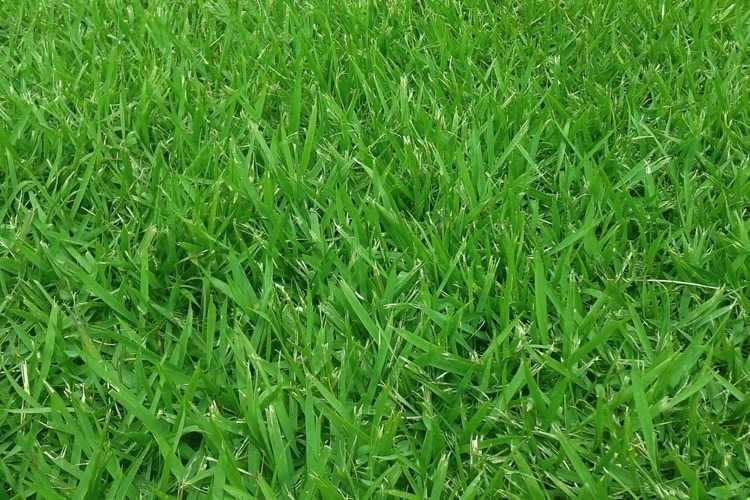
Yes, Zoysia grass can grow in South Texas, but with some considerations. It’s a warm-season grass that thrives in similar climates and can be an excellent choice for lawns in the region, given proper care and maintenance.
Zoysia grass is well-suited for South Texas’s hot, sunny climate, making it a popular turf option. The key to success lies in choosing the right Zoysia variety and ensuring it gets enough water and nutrients. With patience and proper lawn management, Zoysia can create a lush, green yard that withstands the heat and drought conditions common in South Texas. If you’re thinking of planting Zoysia, understanding its needs and limitations will help you enjoy a beautiful, resilient lawn year-round.

Can Zoysia Grass Grow in South Texas?
If you’re wondering whether Zoysia grass is a good choice for your South Texas lawn, you’re not alone. Many homeowners ask about this warm-season grass and its ability to thrive in the South Texas climate. The answer depends on several factors, including the specific Zoysia variety, soil type, and maintenance practices.
Understanding South Texas Climate and Soil Conditions
South Texas is known for its hot summers, mild winters, and low rainfall. These conditions influence what types of grass grow well in the area. The region typically experiences temperatures ranging from 60°F during winter nights to over 100°F during summer days.
The soil in South Texas is often sandy or rocky, which can impact grass root development. Soil drainage is usually good, but nutrients may be limited without proper fertilization. Understanding these conditions is essential for choosing the right grass type.
What Makes Zoysia Grass Suitable for South Texas?
Zoysia grass is a warm-season turfgrass that thrives in hot climates. It is known for its drought tolerance, dense growth, and ability to recover quickly from damage. These features make it a promising option for South Texas lawns.
Most varieties of Zoysia are adapted to withstand high temperatures and low water availability, common in South Texas. Additionally, Zoysia’s deep root system helps it access water from lower soil layers, aiding survival during dry periods.
Key Traits of Zoysia Grass
- Temperature Tolerance: Can handle summer heat up to 100°F.
- Water Needs: Moderate; drought-resistant once established.
- Maintenance: Requires less mowing and fertilization compared to other grasses.
- Growth Habits: Spreads via stolons and rhizomes, creating a dense turf.
Best Zoysia Varieties for South Texas
Choosing the right Zoysia variety is crucial for success. The most popular varieties suited for South Texas include:
- Zoysia japonica: Known as “Japanese lawn grass,” it is cold-tolerant but slower to establish.
- Zoysia matrella: Also called “Manila grass,” it is more heat-tolerant and has a finer texture.
- Zoysia tenuifolia: A fine-textured variety that is drought tolerant but less cold-hardy.
Comparison Table of Zoysia Varieties
| Variety | Climate Tolerance | Growth Rate | Texture | Maintenance Level |
|---|---|---|---|---|
| Zoysia japonica | Cold and heat tolerant | Medium | Coarse | Moderate |
| Zoysia matrella | Excellent heat tolerance | Fast | Fine | Low |
| Zoysia tenuifolia | Very drought tolerant | Slow | Finer | Low |
Planting and Establishment Tips for South Texas
For successful growth, proper planting practices are essential. Zoysia can be established through sod, plugs, or seed, with sod and plugs being the most common for quick coverage.
Choosing the Right Vegetation Method
- Sod: Offers instant lawn but requires more initial investment.
- Plugs: Cost-effective and easier to install but takes longer to fill in.
- Seed: Less common for Zoysia due to slow germination and establishment times.
Best Time to Plant
The ideal window is in late spring to early summer when soil temperatures are warm enough for root development. Planting during this time allows the grass to establish before the hottest months.
Preparation and Planting Steps
- Test and amend soil as necessary to improve nutrients and drainage.
- Clear the area of weeds, rocks, and debris.
- Level the soil to create a smooth planting surface.
- Lay sod or plant plugs, making sure they are in contact with soil.
- Water thoroughly after planting to promote root growth.
Maintenance Practices for Zoysia in South Texas
Maintaining a healthy Zoysia lawn involves consistent care adjusted for South Texas weather. Proper watering, mowing, fertilizing, and pest management are key.
Watering Guidelines
- Deep watering is essential, especially during prolonged dry spells.
- Water early in the morning to reduce evaporation.
- Aim for about 1 to 1.5 inches of water weekly, including rainfall.
Mowing Techniques
Maintain a mower height of 1 to 2 inches for optimal growth. Avoid cutting more than one-third of the grass height at a time to prevent stress.
Fertilization Schedule
- Apply a balanced fertilizer during the growing season.
- Fertilize every six to eight weeks, depending on soil nutrients.
- Avoid over-fertilizing, which can lead to thatch buildup and pests.
Pest and Disease Management
Zoysia is relatively pest-resistant, but vigilance is necessary. Watch for grubs, chafers, and fungal diseases like brown patch.
- Use appropriate insecticides if pests are detected.
- Maintain proper watering practices to prevent fungal issues.
- Apply fungicides when necessary, following recommended guidelines.
Challenges of Growing Zoysia in South Texas
While Zoysia is adaptable, certain challenges exist in South Texas. These include extreme summer heat, drought stress, and soil issues.
Heat Stress and Drought
Extended high temperatures can cause dormancy or brown patches. Regular watering and mowing at higher heights can reduce stress.
Soil Compatibility and Nutrient Deficiency
Sandy soils may require regular fertilization and organic amendments. Testing soil periodically helps maintain proper nutrient levels.
Weed Competition
Weeds can invade new Zoysia lawns if not managed properly. Mulching and pre-emergent herbicides can control weed growth.
Additional Tips for a Healthy Zoysia Lawn in South Texas
- Keep foot traffic moderate to prevent damage.
- Monitor for pests and diseases regularly.
- Re-seed or sod bare spots promptly.
- Adjust maintenance practices seasonally based on weather patterns.
By understanding the unique needs of Zoysia grass and South Texas conditions, homeowners can successfully grow and maintain a lush, green lawn. Proper selection, planting, and ongoing care are key to thriving Zoysia in this region.
Pennington Zenith Zoysia Grass Seed Review
Frequently Asked Questions
Is Zoysia grass suitable for the climate conditions in South Texas?
Yes, Zoysia grass adapts well to South Texas’s warm climate. It thrives in hot temperatures and handles drought conditions better than many other turfgrass options, making it a practical choice for lawns in this region.
What soil requirements does Zoysia grass have to grow successfully in South Texas?
Zoysia grass prefers well-draining soil with a neutral to slightly acidic pH. In South Texas, ensuring the soil is properly aerated and has sufficient nutrients helps promote healthy growth. If the soil is too sandy or clay-heavy, amending it can improve Zoysia’s establishment.
How often does Zoysia grass need watering in South Texas to stay healthy?
Once established, Zoysia grass generally requires infrequent watering, about once a week, to maintain its health in South Texas. During hotter months or drought conditions, watering may need to be increased. Deep, thorough watering encourages deep root growth and drought resistance.
Can Zoysia grass withstand the winter temperatures in South Texas?
Zoysia grass tolerates mild winter conditions common in South Texas. It remains active through the warmer months and goes dormant during cooler periods, usually in winter. Because South Texas rarely experiences extreme cold, Zoysia typically remains healthy year-round.
What maintenance practices are needed for Zoysia grass in South Texas?
Maintaining Zoysia grass involves regular mowing at a height of about 1 to 2 inches, occasional fertilization during the growing season, and periodic aeration to reduce soil compaction. Proper watering and controlling pests also help keep the lawn lush and healthy despite the region’s heat.
Final Thoughts
Zoysia grass adapts well to South Texas climate conditions, thriving in warm weather with moderate watering. It offers a lush, dense lawn that resists pests and weeds, making maintenance easier.
While it needs full sun and benefits from proper soil preparation, Zoysia’s drought tolerance is ideal for the region’s hot summers.
In conclusion, can zoysia grass grow in south texas? Yes, it can, providing a beautiful, resilient lawn suited to local conditions.