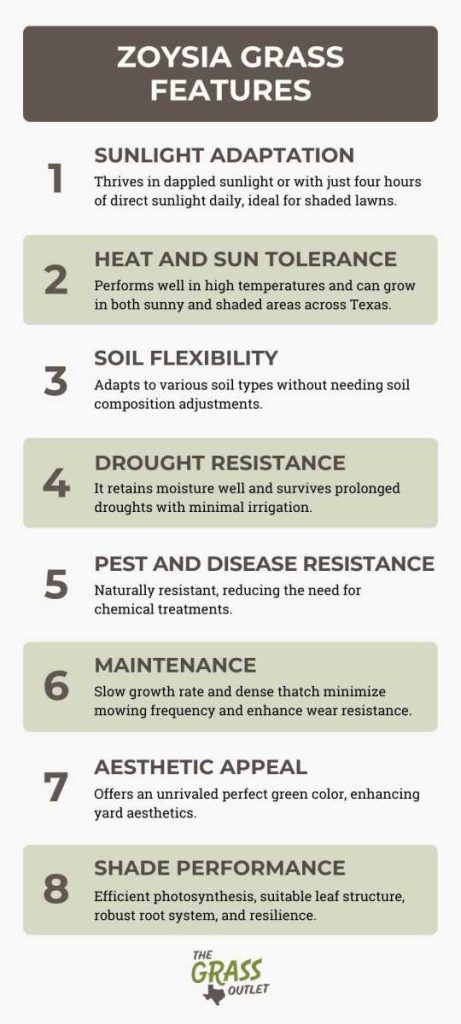
Zoysia grass can tolerate some shade, but it thrives best in full sun. While it can grow in partially shaded areas, excessive shade may lead to thin, patchy grass and less vibrant turf. For optimal growth, aim for at least 4-6 hours of direct sunlight daily, but if your yard is mostly shaded, consider alternative grasses better suited for low-light conditions.
Zoysia grass can handle partial shade, but it prefers sunny spots for lush, healthy growth. It might struggle and become less dense in deep shade, so understanding your yard’s sunlight exposure is key to maintaining a beautiful lawn.
If you’re dreaming of a lush, green yard but only have shaded areas, you’re probably wondering if Zoysia grass can adapt. The good news is, Zoysia has some shade tolerance, making it a decent choice for spots with partial sun. However, it’s not a shade-loving grass, so in heavily shaded zones, you might see less vigorous growth and patchiness. To succeed, it’s important to evaluate how much sunlight your lawn receives and choose the right grass variety or consider other options for heavily shaded areas. With proper care, you can enjoy a healthy Zoysia lawn even in less-than-ideal lighting conditions.

Can Zoysia Grass Grow in Shade? Exploring Light Requirements and Growing Tips
Understanding Zoysia Grass and Its Growing Needs
Zoysia grass is a popular warm-season turfgrass known for its dense, lush appearance and drought tolerance. It is often used in lawns, parks, and golf courses due to its ability to withstand heavy foot traffic. To thrive, Zoysia grass typically requires full sunlight, roughly six hours of direct sun daily, to grow strong and healthy.
The Challenge of Growing Zoysia in Shade
Many gardeners wonder whether Zoysia grass can grow in shaded areas. The truth is, while Zoysia is resilient, it generally prefers sunny locations. Shade can lead to thinner turf, slower growth, and increased vulnerability to pests and disease. Therefore, understanding how Zoysia responds to shade helps you make informed planting choices.
Light Requirements for Zoysia Grass
Zoysia grass needs ample sunlight to perform optimally. Less than four hours of direct sun each day usually results in weak, patchy growth. In areas with limited sunlight, Zoysia may struggle to establish itself or sustain a vibrant appearance.
How Light Affects Zoysia Growth
Sunlight powers photosynthesis, which fuels grass growth. Shaded zones limit this process, leading to sparse growth or grass turning yellow or brown. The more shade, the more your Zoysia may decline or become prone to diseases like thatch buildup and fungal infections.
Can Zoysia Grow in Partial Shade?
While full sun is ideal, Zoysia can tolerate some partial shade—around four to six hours of sunlight daily. It may not reach its full lushness under these conditions but can still produce a reasonably healthy lawn. It’s important to select the right Zoysia cultivar for shaded environments.
Best Zoysia Cultivars for Shaded Areas
Some Zoysia varieties are more shade-tolerant than others. For shaded lawns, consider cultivars like Zoysia japonica or ‘Emerald,’ which show better growth in less-than-ideal sunlight. Always check with local experts or suppliers to choose the best cultivar for your specific shade conditions.
Strategies to Improve Zoysia Growth in Shade
If you wish to grow Zoysia in a partially shaded area, certain techniques can help maximize growth and resilience.
Proper Lawn Care Practices
- Ensure good soil drainage to prevent root rot.
- Maintain proper mowing height—about two inches—not too low, to allow the grass to develop a deep root system.
- Water deeply but infrequently to encourage strong roots.
- Apply fertilizer suited for Zoysia, focusing on nitrogen to support growth.
Enhancing Light Availability
Pruning surrounding trees or shrubs to allow more sunlight to reach the grass can make a significant difference. Removing lower branches and thinning dense foliage improves light penetration and air circulation.
Alternative Grass Options for Shaded Lawns
If your yard has substantial shade, Zoysia might not be the best choice. Several grass types tolerate shade better and can create a green, healthy lawn.
Shade-Tolerant Grass Varieties
- St. Augustine grass
- Bermuda grass (partial shade)
- Fine fescues
- Tall fescues
These grasses are more suited for shady environments and often require less sunlight to thrive.
Maintenance Tips for Shaded Lawns
Managing shaded lawns involves specific practices to keep the grass healthy.
Key Tips Include:
- Regularly aerate the soil to improve oxygen flow.
- Rake and remove fallen leaves or debris to prevent mold and pests.
- Adjust watering schedules based on shade and moisture retention.
- Apply appropriate fertilizers during the growing season to boost growth.
Summary of Growing Zoysia in Shade
While Zoysia grass prefers full sun, it can tolerate limited shade if you select the right cultivar and apply proper care practices. Providing extra sunlight through pruning and soil management improves its chances of thriving in shaded spots. However, for heavily shaded yards, choosing shade-loving grass varieties may yield better results.
Additional Topics Related to Shade and Turfgrass
Understanding the balance between sunlight and shade on your lawn helps you select the ideal grass type. Incorporate features like trees and shrubs wisely to allow sunlight penetration. Proper soil testing and amendments can also boost turf vitality in challenging areas.
In summary, growing Zoysia grass in shaded areas is possible with some effort and careful planning. Recognizing its light needs and adapting your lawn care routine will help you maintain a lush, healthy yard—even in less sunny spots.
Can Zoysiagrass Grow In The Shade? 🌱
Frequently Asked Questions
Can Zoysia grass establish itself in partial shade areas?
Zoysia grass can adapt to some shaded areas, but it typically performs best in full sun. In partial shade, it may grow more slowly and develop a thinner lawn. To ensure healthy growth, it’s important to select a Zoysia variety that tolerates shade and to manage the surrounding environment to maximize sunlight exposure whenever possible.
How does shade impact the growth and appearance of Zoysia grass?
Less sunlight in shaded regions causes Zoysia grass to grow more slowly and can lead to a less dense, patchy lawn. Shade limits photosynthesis, which reduces the grass’s vigor and overall health. To maintain a lush appearance, consider pruning nearby trees and shrubs or selecting a shade-tolerant Zoysia variety.
Are there specific Zoysia types better suited for shaded lawns?
Yes, certain Zoysia varieties like Zoysia japonica are more adaptable to shaded conditions. These types typically tolerate a bit more shade than others, but they still require some sunlight to thrive. Always evaluate your property’s light conditions and choose a variety known for shade tolerance to improve success.
What practices can help Zoysia grass grow better in shady conditions?
To support Zoysia in shaded areas, ensure the soil remains healthy with proper fertilization and watering. Removing overhanging branches or trimming trees can increase sunlight exposure. Additionally, avoid heavy foot traffic in shaded patches, as stressed grass becomes more susceptible to disease and browning.
Final Thoughts
Zoysia grass thrives best in full sunlight, but it can tolerate some shade. In areas with limited sunlight, select Zoysia varieties known for shade tolerance. Proper maintenance and trimming can help improve growth in shaded spots.
In conclusion, can zoysia grass grow in shade? Yes, it can, but its performance may be limited compared to sunnier locations. Choose shade-tolerant Zoysia types and provide proper care to ensure healthy growth in shaded areas.