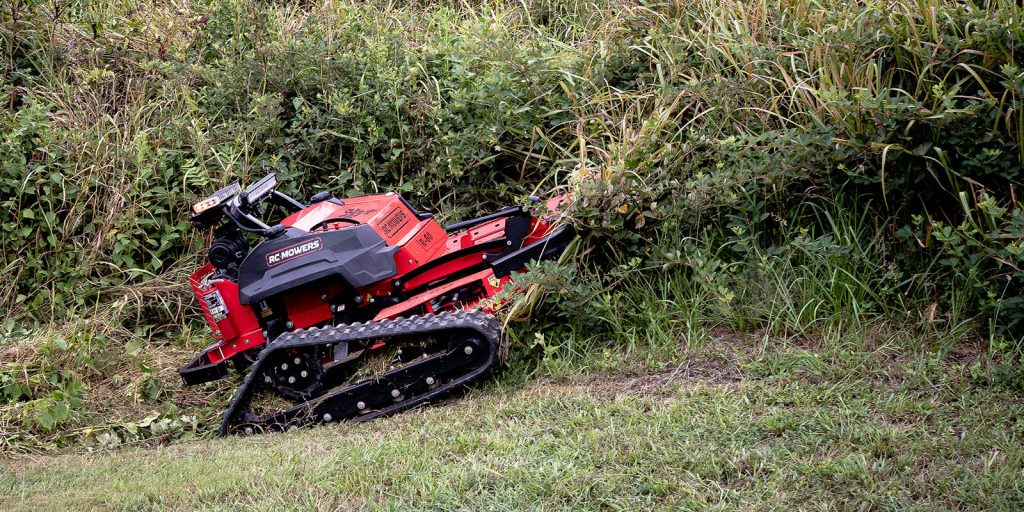
Yes, you can use a robotic mower on slopes, but it depends on the mower’s design and slope angle. Most robotic mowers can handle gentle slopes, typically up to 20 degrees.
Robotic mowers have gained popularity for their efficiency and convenience. They offer a great solution for maintaining lawns without requiring constant human supervision. Many homeowners face the challenge of uneven terrain, particularly slopes, which can complicate lawn care. Understanding the capabilities of your robotic mower is essential for optimal performance.
Not all models are equipped to handle steep inclines. Therefore, checking the specifications and recommendations of the manufacturer is crucial. Choosing the right mower can ensure a well-maintained lawn, even on challenging landscapes. Enjoy the benefits of a robotic mower while keeping your yard in excellent condition.
Introduction To Robotic Mowers
Robotic mowers are changing how people care for their lawns. They offer efficiency and convenience. These machines save time and effort while maintaining a neat lawn.
The rise of automation in lawn care has made mowing easier. Homeowners enjoy the freedom robotic mowers provide. These devices can navigate around obstacles and work in different weather conditions.
Many robotic mowers can handle slopes. They are designed with special features to climb inclines. This makes them suitable for yards with varying terrain.
With their smart technology, robotic mowers can learn the layout of your yard. They adjust their mowing patterns for the best results. This ensures a healthy, well-maintained lawn.
Assessing Slope Suitability For Robotic Mowers
Determining the slope angle is crucial for robotic mowers. Most robotic mowers can handle slopes up to 20 degrees. Steeper angles may cause the mower to tip over or struggle. Always check the manufacturer’s specifications for your model.
Measuring slope angles can be done easily with a slope meter or a level. A simple DIY method involves using a protractor and a straight edge. Place the straight edge on the slope, then measure the angle with the protractor.
Limitations of robotic mowers on slopes include:
- Increased risk of slipping on wet grass.
- Potential for battery drain on steep hills.
- Difficulty in navigating obstacles like rocks and trees.
Key Features Of Slope-friendly Robotic Mowers
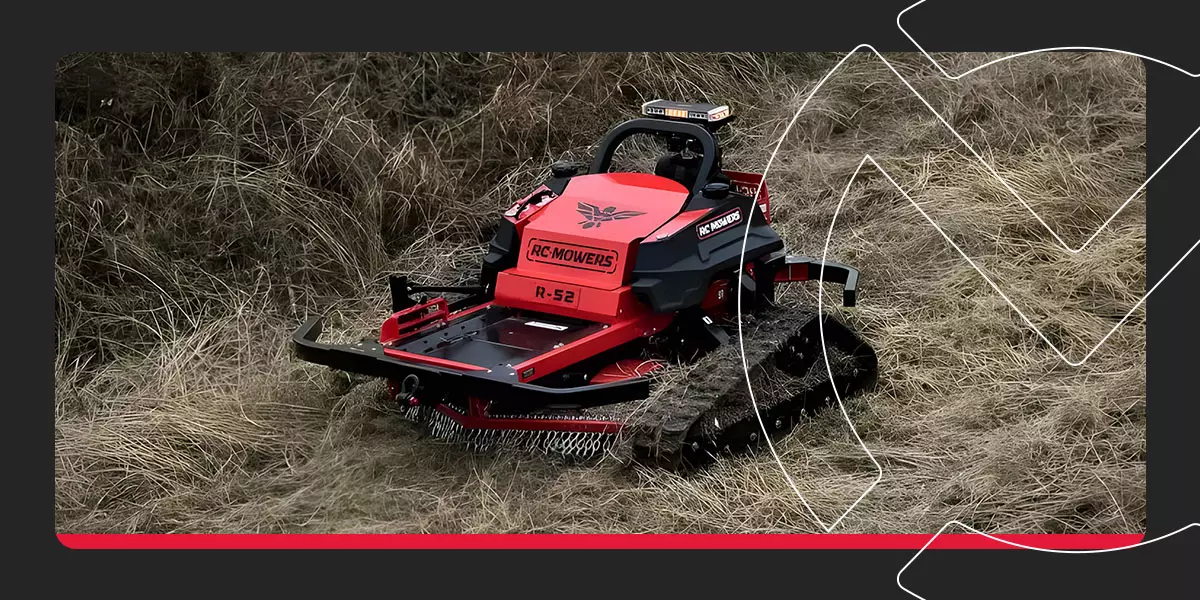
Robotic mowers designed for slopes have special wheel traction and design features. These features help them grip the ground better. Look for mowers with large wheels and a low center of gravity. These traits help prevent slipping.
Gyroscopes and incline sensors are also important. They help the mower detect the slope angle. This ensures the mower operates safely on steep areas. A good mower can handle slopes of up to 35%. Choosing the right model makes mowing hills easy and safe.
Credit: www.mtechcompany.com
Preparing Your Lawn For Robotic Mowing
To prepare your lawn for robotic mowing, start by clearing obstacles. Remove sticks, stones, and toys from the area. This helps the mower move freely and avoid damage.
Check for low-hanging branches too. They can block the mower or cause injury. Ensuring a clear path is essential for smooth operation.
Next, map out the mowing area. Measure the space to know how much grass needs cutting. Mark the boundaries where the mower should work. Use stakes or flags to indicate these areas.
Consider the slope of your lawn. Steeper slopes may need extra attention. Ensure the mower can handle the angle without slipping or overheating.
Installation Tips For Optimal Performance
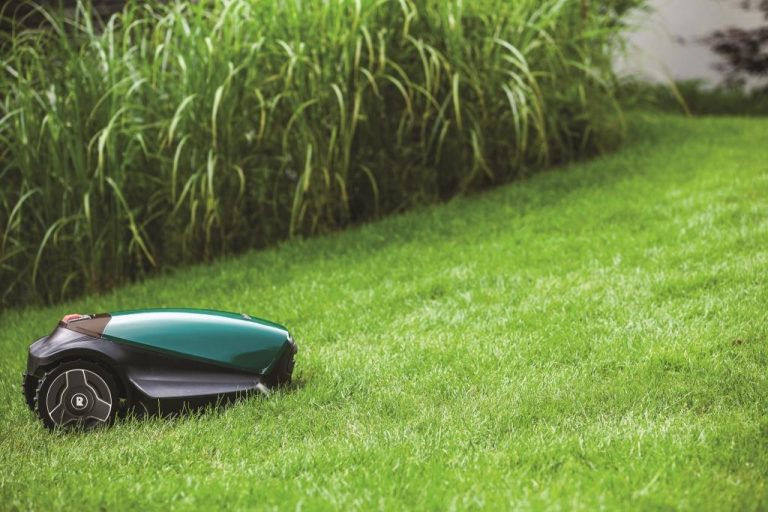
Choose a flat area for the charging station. This helps the mower connect easily. Avoid placing it on steep slopes. A stable position allows for better performance.
Boundary wires must be set properly. Place them at a safe distance from the slope’s edge. This keeps the mower from falling off. Use markers to guide the wire placement. Ensure the wires are buried or hidden well.
Check the wire connections regularly. Damaged wires can lead to poor performance. Follow the manufacturer’s guidelines for installation. This ensures the mower operates smoothly on slopes.
Credit: www.robomow.com
Maintenance Challenges On Slopes
Regular checkups are important for robotic mowers on slopes. Inspect the mower for any damage or wear. Check the blades for sharpness and clean them regularly. Dirt can cause inefficiency in cutting. Ensure the wheels and batteries are in good condition. This helps the mower work better on slopes.
Dealing with wear and tear is essential for optimal performance. Monitor the mower’s performance after each use. Replace worn-out parts quickly to avoid bigger issues. Make sure to store the mower properly during bad weather. Regular maintenance will extend the life of your robotic mower.
Expert Tips For Efficient Mowing On Slopes
Robotic mowers can work well on slopes. Optimal scheduling helps ensure efficient mowing. Mow early in the morning or late in the evening. These times avoid heat and moisture. Mowing during these times helps the mower operate better.
Weather considerations are crucial. Avoid mowing during heavy rain or storms. Wet grass can cause the mower to slip. Check the forecast before scheduling your mowing. Strong winds can also affect the mower’s performance. Always prioritize safety and efficiency.
Safety Considerations And Best Practices
Robotic mowers can be effective on slopes, but safety is essential. Avoiding tip-overs is crucial. Ensure the mower has a low center of gravity. Using mowers with anti-slip technology helps maintain traction.
Always check the slope angle before using the mower. Some models are not suitable for steep areas. Remote monitoring features allow users to track the mower’s performance. Alerts can notify about any potential issues.
Setting up boundaries around steep slopes can prevent accidents. Regular maintenance keeps the mower in good condition. Always follow the manufacturer’s guidelines for safe operation.
Case Studies And Success Stories
Many homeowners have shared their success stories with robotic mowers on slopes. One family in Oregon used a mower on their 15-degree incline. They reported excellent cutting performance and time savings.
Another case involved a landscaping company in Colorado. They effectively maintained steep hillsides using robotic mowers. Clients praised the consistent results and eco-friendly operation.
The following table shows comparative performance analysis of different robotic mowers:
| Model | Slope Capacity | Battery Life | Cutting Width |
|---|---|---|---|
| Model A | 20% | 90 minutes | 20 inches |
| Model B | 30% | 120 minutes | 22 inches |
| Model C | 25% | 100 minutes | 21 inches |
Future Of Robotic Mowing On Challenging Terrain
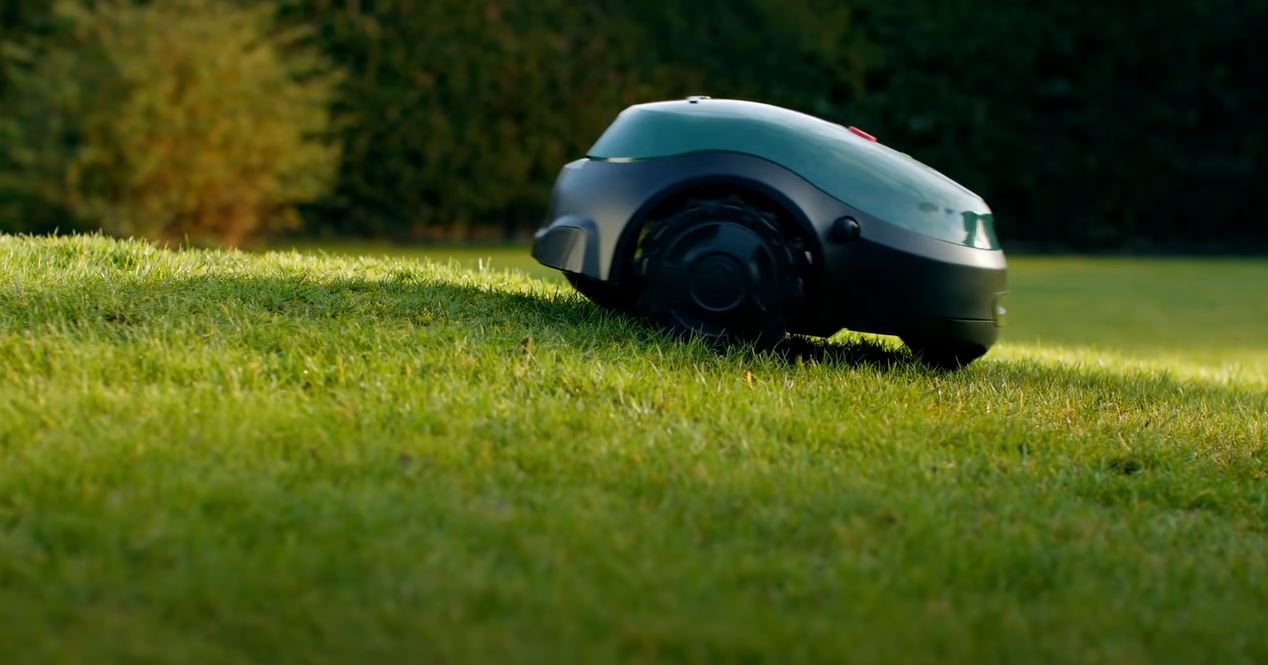
Robotic mowers are improving for use on slopes. New technology helps these devices handle steep areas better. Many models now have powerful sensors. These sensors detect changes in terrain and adjust accordingly.
Some robotic mowers can even climb gradients of up to 45 degrees. This allows them to work in hilly gardens without getting stuck. Battery life is also increasing, making longer mowing sessions possible.
Future designs may include better traction systems. These systems will help robotic mowers grip the ground firmly. Smart features will let users control mowers from their smartphones. Overall, the future looks bright for robotic mowers on challenging terrain.
Credit: www.robomow.com
Frequently Asked Questions
Can Robotic Mowers Handle Steep Slopes?
Yes, many robotic mowers are designed to handle slopes. However, the maximum incline varies by model. Most can manage slopes of up to 20 degrees. Always check the manufacturer’s specifications to ensure compatibility with your lawn’s terrain.
What Is The Best Slope For A Robotic Mower?
The ideal slope for a robotic mower is between 15 to 20 degrees. These angles provide optimal performance and safety. Steeper slopes may lead to operational issues, including tipping. Always refer to your mower’s guidelines for specific recommendations.
Do Robotic Mowers Work On Uneven Terrain?
Robotic mowers can navigate uneven terrain, but performance may vary. Some models feature enhanced sensors for better traction and stability. However, extreme unevenness may affect cutting efficiency. Check user reviews and specifications to find a suitable model for your lawn.
How Do I Prepare My Slope For A Robotic Mower?
To prepare your slope, clear any obstacles like rocks or branches. Ensure the area is free of debris to prevent damage. You may also want to mark boundary wires for accurate navigation. Proper preparation enhances the mower’s efficiency and longevity.
Conclusion
Robotic mowers can handle slopes, but their effectiveness varies. It’s essential to consider the mower’s specifications and your lawn’s steepness. Choosing the right model will ensure a well-manicured lawn without the stress of manual mowing. With the right tools, maintaining sloped areas can be both easy and efficient.