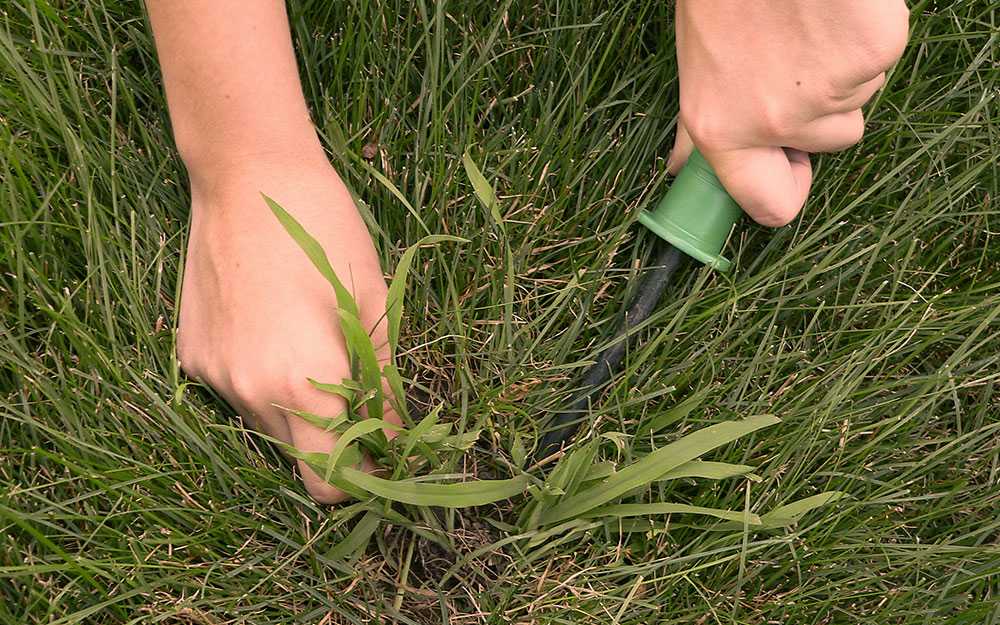
Yes, you can pull out crabgrass by hand, but success depends on a few factors. If the soil is moist and the roots are not too deep, it can be an effective way to combat this pesky weed. Just grab the plant at the base, give it a firm pull, and try to remove as much of the root system as possible to prevent regrowth. However, it’s important to be diligent, as crabgrass can spread quickly if not managed properly. In this article, we’ll explore the best techniques for hand-pulling crabgrass and share tips on when to do it for maximum effectiveness. Whether you’re a seasoned gardener or just tackling a few weeds, you’ll find helpful advice to keep your lawn healthy and beautiful.

Can You Pull Out Crabgrass by Hand?
Crabgrass is a common weed that many gardeners and homeowners encounter. It can spread quickly and take over lawns and gardens if not dealt with early. One of the most popular methods of removing crabgrass is by hand. But, can you truly pull it out by hand, and will it be effective? Let’s dive deeper into this topic.
Understanding Crabgrass
Crabgrass is a summer annual weed that germinates in the warmer months. Here are some key points to understand about it:
- It grows low to the ground, making it quite noticeable in your lawn.
- Crabgrass thrives in sunny areas and poor soil conditions.
- It can produce thousands of seeds, leading to rapid spread.
Recognizing crabgrass early is crucial for successful removal. Different types exist, but they all share a similar growth pattern.
Why Pulling Out Crabgrass by Hand is Important
Hand-pulling might seem like a simple solution, but it has its benefits:
- It reduces the need for chemical herbicides.
- It allows for targeted removal, focusing on specific patches.
- Hand removal can help prevent further seed spread.
While hand-pulling is effective, it requires careful technique to ensure it’s successful.
When is the Best Time to Hand-Pull Crabgrass?
Timing is everything when it comes to removing crabgrass by hand.
- The best time to pull crabgrass is when the soil is moist, usually after rain.
- Target young plants, as they are easier to remove.
- Look for crabgrass during its early growth stage, typically in late spring or early summer.
Pulling mature crabgrass could be more challenging and might lead to incomplete removal.
Tools You May Need
While hand-pulling is a straightforward process, having the right tools can enhance efficiency:
- A small trowel or weed puller can help loosen the soil.
- Gardening gloves protect your hands while pulling.
- A bucket for collecting the pulled weeds makes cleanup easier.
Using these tools can make the task more manageable and minimize stress on your hands.
Steps to Hand-Pull Crabgrass Effectively
To ensure you remove crabgrass successfully, follow these steps:
- Moisten the soil if it has not rained recently. This makes the process easier.
- Identify the crabgrass plants you want to remove.
- Grab the base of the plant firmly and pull it straight out of the ground.
- Be sure to remove the entire root system to prevent regrowth.
- Place pulled plants in your bucket for disposal.
By following these steps, you can effectively clear your lawn of unwanted crabgrass.
Challenges of Hand-Pulling Crabgrass
Hand-pulling crabgrass can come with its own set of challenges. It’s important to be aware of these:
- Crabgrass can re-root if not pulled out entirely, leading to regrowth.
- Pulling weeds can be physically demanding over large areas.
- Identifying crabgrass in a dense lawn can be tricky.
Addressing these challenges can help you maintain a healthy lawn in the long run.
Alternative Methods for Managing Crabgrass
While hand-pulling is effective, there are alternative methods for managing crabgrass:
- Using a hoe can help target larger areas more quickly.
- Applying mulch can choke out crabgrass growth.
- Consider using pre-emergent herbicides before crabgrass seeds germinate.
Each method has its advantages and can be used in conjunction with hand-pulling for best results.
Preventing Crabgrass from Returning
After successfully removing crabgrass, the next step is prevention. Here are some tips:
- Keep your lawn healthy by watering and fertilizing appropriately.
- Mow your lawn regularly to discourage crabgrass growth.
- Consider overseeding to create a dense lawn that resists weeds.
Taking these steps will help diminish the chances of crabgrass returning.
Common Myths About Crabgrass Removal
Several myths exist surrounding crabgrass and its removal. Let’s clarify some common misconceptions:
- Myth: Crabgrass can be removed by simply mowing it down.
- Truth: Mowing can actually encourage it to spread.
- Myth: Hand-pulling is ineffective.
- Truth: With proper techniques, hand-pulling can be very effective.
Understanding these myths can empower you in your gardening efforts.
In summary, hand-pulling crabgrass can be an effective method for managing this persistent weed. It’s important to understand the right techniques and timing involved. Staying proactive with prevention and using complementary methods will ensure a healthy lawn and reduce the chances of crabgrass returning. With care and diligence, you can keep your garden free from this pesky weed.
How to remove crab grass. #CRH
Frequently Asked Questions
What is the best time to pull out crabgrass by hand?
The ideal time to pull out crabgrass by hand is when the soil is moist, typically after rain or watering. This condition makes the soil softer, allowing the roots to come out more easily. It is also best to tackle crabgrass before it goes to seed in late spring or early summer when the plants are still young and vulnerable.
How can I ensure I remove the entire root of the crabgrass?
To ensure you remove the entire root, grip the base of the plant and pull slowly and steadily while tilting it slightly to the side. This technique helps dislodge the roots from the soil. If the roots seem deep or tough to pull out, consider using a weeding tool to help loosen the soil around the root before pulling it out.
What should I do after pulling out crabgrass?
After pulling out crabgrass, fill in the gaps left in the soil with topsoil or compost to prevent other weeds from taking its place. Water the area to help the soil settle and consider reseeding with grass or planting healthy ground cover to restore the area and prevent future crabgrass growth.
Can pulling out crabgrass by hand prevent it from spreading?
Yes, pulling out crabgrass by hand can effectively prevent it from spreading, especially if you remove the plants before they flower and produce seeds. Early intervention reduces the chances of crabgrass re-establishing itself in your lawn or garden.
Are there any precautions to take when pulling out crabgrass?
When pulling out crabgrass, wear gloves to protect your hands and consider using knee pads for comfort if working on hard ground. It is also advisable to avoid using too much force while pulling, as this could cause soil erosion or damage to nearby plants. Always work methodically to prevent leaving any roots behind.
Final Thoughts
Pulling out crabgrass by hand can be effective, especially if you tackle it early in the season. Make sure to remove the entire root system to prevent regrowth. This method works best when the soil is moist, allowing for easier extraction.
For larger infestations, manual removal may be more labor-intensive but still viable. Always wear gloves to protect your hands from irritation. Overall, can you pull out crabgrass by hand? Yes, with patience and the right conditions, you can manage this pesky weed effectively.