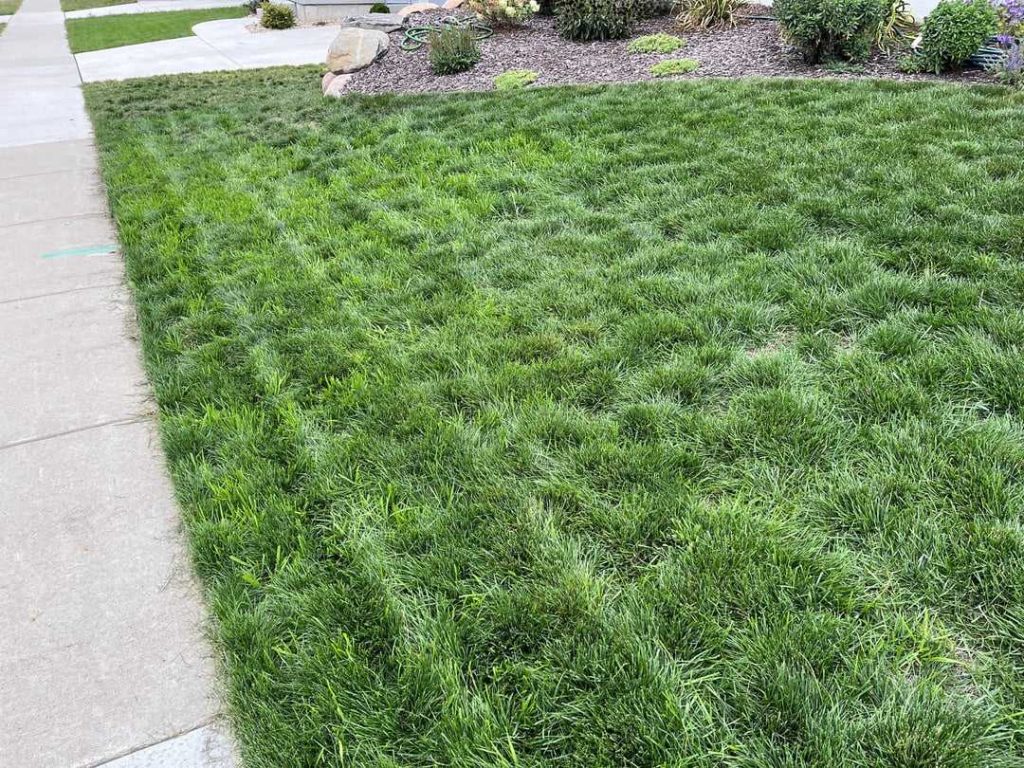
Yes, you can mix tall fescue with other grasses to create a lush, resilient lawn. Combining different grass types allows you to take advantage of each variety’s strengths, leading to a healthier and more diverse turf. Mixing tall fescue with other grasses is a popular strategy among homeowners and landscapers aiming for a durable and attractive yard that can withstand various weather conditions and foot traffic.
In short, yes, you can mix tall fescue with other grasses. This practice can enhance lawn durability and appearance by combining the best qualities of multiple grass types. Just choose complementary species and plant them thoughtfully to achieve a thriving, low-maintenance lawn.
Starting a garden or maintaining a vibrant lawn often raises the question of whether mixing grass species is beneficial. Tall fescue, known for its drought tolerance and deep root system, is a favorite for many, but it can be even more effective when combined with other grasses like Kentucky bluegrass or ryegrass. This blending creates a resilient turf that can handle varying conditions, resist pests, and recover quickly from damage. If you’re considering mixing tall fescue with other grasses, understanding how different grasses grow and how they interact is key. This approach not only leads to a more beautiful lawn but also reduces the need for frequent maintenance, making it a practical choice for busy gardeners or homeowners wanting a lush, adaptable yard.

Can You Mix Tall Fescue with Other Grass
Understanding Tall Fescue and Its Characteristics
Tall fescue is a cool-season grass that is popular for its durability and adaptability. It has deep roots that help it withstand droughts and heavy foot traffic. This grass type is often used in lawns, parks, and sports fields because of its resilience and rich green color. Knowing these traits helps determine its compatibility with other grasses.
Why Mix Tall Fescue with Other Grass Types?
Mixing tall fescue with other grasses can create a lawn that combines the strengths of each. The goal is to enhance aesthetic appeal, improve resilience, and reduce maintenance requirements. Combining different grasses can also help fight pests and diseases that may target a single grass type.
Best Grasses to Mix with Tall Fescue
Certain grasses blend well with tall fescue, providing a balanced lawn. These include:
- Offers a fine texture and rapid recovery. It complements tall fescue’s durability.
- Has quick germination and an attractive appearance, filling in gaps quickly.
- Fine Fescues (like creeping red or chewings fescue): Provide fine texture and shade tolerance.
- Bermuda Grass: Suitable for warmer climates, adds warmth tolerance to fescue mixes.
Advantages of Mixing Tall Fescue with Other Grass Types
Mixing grasses comes with several benefits:
Enhanced Drought Tolerance
Different grasses have varying water needs, so mixing can make the lawn more resilient during dry spells. Tall fescue’s deep roots help supply water to neighboring grasses.
Better Disease Resistance
A diverse mix reduces the risk of entire lawn failure by pests or diseases targeting one specific type. Each grass has different vulnerabilities, so diversity helps keep the lawn healthy.
Extended Growing Season
Different grasses thrive in various temperatures, extending the period when the lawn looks lush. Tall fescue stays green in cooler weather, while others may thrive in warm conditions.
Improved Lawn Density and Texture
Blending grasses creates a more uniform and dense turf. Fine grasses like Kentucky bluegrass add a soft feel, while tall fescue provides structure.
Challenges of Mixing Tall Fescue with Other Grasses
Despite the benefits, some challenges exist:
Differences in Growth Rates
Some grasses may germinate faster or grow at different speeds, leading to uneven lawns if not managed properly.
Varied Maintenance Needs
Different grasses might require different mowing heights, fertilization schedules, or watering routines, complicating upkeep.
Potential for Incompatibility
Certain grasses may compete more aggressively, overshadowing or crowding out less vigorous species.
How to Successfully Mix Tall Fescue with Other Grass Types
Achieving a harmonious lawn requires planning:
Choose Compatible Grass Varieties
Select grasses with similar sunlight, water, and nutrient needs to promote balanced growth.
Prepare the Soil Properly
Loosen and enrich the soil to support all grasses equally. Proper soil prep encourages uniform germination.
Seeding Techniques
Mix seeds thoroughly before spreading to ensure even distribution. Use compatible seeding rates for each grass type.
Adjust Maintenance Routines
Set mowing heights suitable for all grasses involved. Be mindful of watering schedules and fertilization to cater to the mixture.
Seeding and Establishment Tips
Timing and method are critical for success:
- Seed during the right season—early fall or spring—when temperatures are moderate.
- Use a broadcast spreader for even seed distribution.
- Rake lightly to incorporate seeds into the soil surface.
- Keep the soil moist until germination is complete.
Maintenance Practices for Mixed Lawns
Proper care ensures the longevity of a mixed lawn:
Mowing Heights
Adjust mower height to accommodate the tallest grass in the mix, usually around 3 inches for tall fescue.
Watering
Water deeply but infrequently to encourage deep roots of tall fescue and other grasses.
Fertilization
Apply balanced fertilizers suitable for all grass types, typically in the early spring and fall.
Pest and Disease Management
Regular inspections help catch issues early. Use targeted treatments that do not harm all grass species equally.
Related Topics to Consider
Broadening your knowledge on grass management can be helpful:
Overseeding Tips for a Thick Lawn
Overseeding can fill in bare spots and improve diversity in your lawn.
Controlling Weeds in Mixed Lawns
Choose weed control options that target common species without damaging your grasses.
Seasonal Lawn Care Tips
Adjust your routine based on the season to keep grasses healthy year-round.
Mixing tall fescue with other grasses is a practical choice for many lawn owners seeking a resilient, attractive yard. Proper selection, planting, and maintenance are key to achieving a successful blend that enhances your landscape’s health and appearance. With careful planning, you can enjoy a lush, diverse lawn that withstands the rigors of weather and usage for years to come.
Can You Mix Grass Seed Types on Lawns
Frequently Asked Questions
Can tall fescue be mixed with warm-season grasses for a more diverse lawn?
Yes, you can combine tall fescue with warm-season grasses like Bermuda or Zoysia to create a lawn that adapts to different seasons. Mixing these grasses can provide a green landscape throughout the year, with cool-season fescue thriving in cooler months and warm-season grasses dominating during summer. However, ensure that the watering and fertilization needs of each grass type are compatible to maintain a healthy, balanced lawn.
What are the benefits of blending tall fescue with other grass types?
Blending tall fescue with other grasses can improve lawn resilience by increasing disease resistance and drought tolerance. It allows for better adaptability to varying soil conditions and light exposures, resulting in a more durable and visually appealing yard. Additionally, mixing grasses can reduce the need for frequent overseeding or reseeding, saving time and maintenance efforts.
Are there any challenges in growing tall fescue alongside other grasses?
Growing tall fescue alongside other grasses may present compatibility issues, such as differing growth rates and watering requirements. Some grasses might outcompete others if not managed properly, leading to uneven patches. Proper planning, selecting compatible grass species, and maintaining appropriate care schedules help minimize these challenges and promote a harmonious lawn.
How should I prepare my soil when mixing tall fescue with other grasses?
Start by testing your soil to understand its nutrient and pH levels. Prepare the soil with adequate aeration and incorporate organic matter to support multiple grass types. When planting, consider the specific needs of each species, such as sun exposure and moisture levels, and adjust your soil amendments accordingly to ensure all grasses establish well and grow healthily.
Can I overseed existing lawns with tall fescue to improve diversity?
Yes, overseeding your existing lawn with tall fescue can enhance diversity and resilience. Before overseeding, mow the existing grass short, remove debris, and loosen the soil to improve seed-to-soil contact. Make sure the timing aligns with the growth season of tall fescue, usually in early fall or spring, and keep the area adequately watered to encourage germination and establishment.
Final Thoughts
Yes, you can mix tall fescue with other grasses to improve lawn diversity. Combining tall fescue with species like bluegrass or ryegrass can create a resilient and attractive yard.
Mixing grasses helps address various conditions and reduces pests. It also boosts overall lawn health and appearance.
In conclusion, can you mix tall fescue with other grass? Absolutely, combining it with different grasses offers a practical way to enhance your lawn’s durability and beauty.