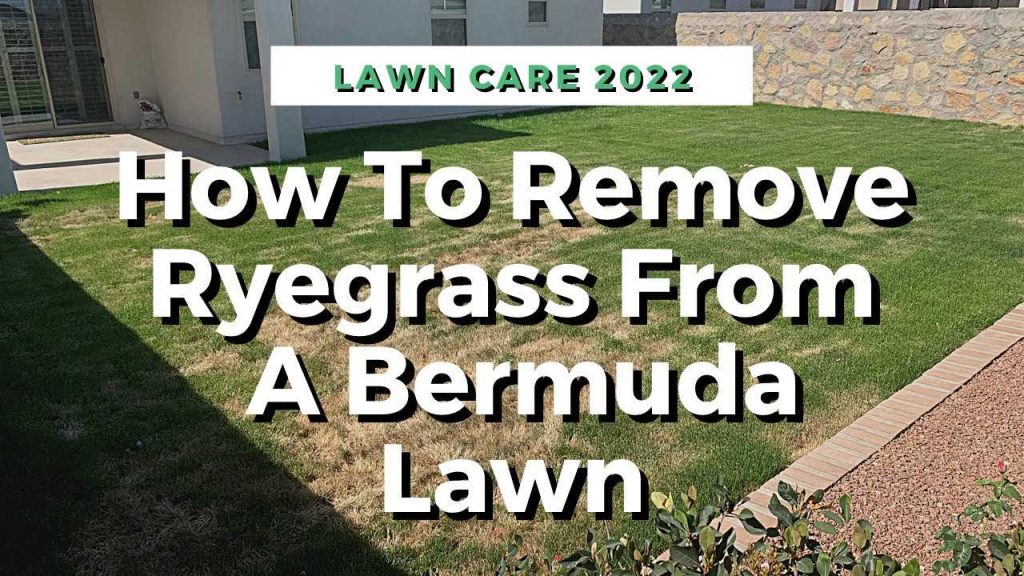
Yes, you can effectively kill ryegrass in lawns. If you’re dealing with an unwanted invasion of ryegrass in your lawn, don’t worry, there are steps you can take to eliminate it and restore the beauty of your green space. Ryegrass, although it may initially seem harmless, can quickly overrun your lawn if left unchecked. It competes with other grass species for nutrients, sunlight, and water, leading to an uneven and unsightly lawn. In this blog article, we will explore various methods and techniques to effectively remove ryegrass from your lawn, allowing your desired grass species to thrive. Whether you prefer natural remedies or chemical interventions, we have you covered. Say goodbye to pesky ryegrass and say hello to a lush, vibrant lawn. Let’s dive right in!

Can You Kill Ryegrass in Lawns?
Ryegrass is a common lawn weed that can quickly take over your beautiful turf if left unchecked. Many homeowners find themselves wondering if they can effectively get rid of ryegrass without harming their entire lawn. Well, the good news is that it is possible to kill ryegrass in lawns, and in this article, we will explore various methods to help you reclaim your turf. From understanding what ryegrass is and why it invades lawns to exploring effective control strategies, we’ve got you covered. So, let’s dive in and discover how to bid farewell to the pesky ryegrass!
Understanding Ryegrass
Ryegrass, scientifically known as Lolium spp., is a cool-season grass that typically invades lawns and gardens. There are two main types of ryegrass: annual ryegrass (Lolium multiflorum) and perennial ryegrass (Lolium perenne). Annual ryegrass tends to germinate in the fall and dies off during hot summer months, while perennial ryegrass persists year-round. This invasive grass can be identified by its bright green color, coarse texture, and rapid growth habit.
Why Does Ryegrass Invade Lawns?
Ryegrass often finds its way into lawns due to a variety of factors. Here are a few common reasons why ryegrass invades lawns:
1. Overseeding: Some homeowners overseed their lawns with ryegrass to achieve a lush appearance during cooler months. However, if not managed properly, this overseeded ryegrass can become invasive and start competing with your existing turfgrass.
2. Neighborly migration: If your neighbors have ryegrass in their lawns, there’s a chance that it can spread to your yard via wind, animals, or even lawnmowers.
3. Poor lawn care practices: Weak or thin lawns can provide an opportunity for ryegrass to invade. Improper mowing, watering, or fertilization can weaken your grass, making it vulnerable to ryegrass infestation.
Methods to Kill Ryegrass in Lawns
Now that we understand the basics of ryegrass invasion, let’s explore various methods to eliminate it from your lawn. It’s important to note that these methods can be used individually or in combination, depending on the severity of the infestation.
1. Hand Pulling
For smaller infestations, hand pulling can be an effective way to remove ryegrass. Make sure to wear gloves and gently pull the plants from the base, ensuring you remove the entire root system. This method is time-consuming but can be rewarding for those who prefer organic approaches.
2. Herbicides
When dealing with larger infestations, herbicides can be an efficient solution. Selective herbicides specifically designed to target ryegrass while sparing your desired lawn grass can be applied. Always follow the label instructions carefully to ensure safe and effective application. Popular herbicides for ryegrass control include glyphosate-based products and selective herbicides containing fluazifop-P-butyl or clethodim.
3. Scalping and Seeding
Scalping involves cutting your lawn short to expose the ryegrass to harsh conditions. Once scalped, you can seed over the area with your desired turfgrass species. This method allows the new grass to outcompete the remaining ryegrass, gradually eliminating it from your lawn.
4. Solarization
Solarization is a natural and chemical-free method to kill ryegrass and other weeds. It involves covering the affected area with a clear plastic tarp, which traps heat from the sun and raises the soil temperature to a level lethal to ryegrass. This method requires several weeks of sunlight exposure to be effective.
5. Cultural Practices
Implementing proper cultural practices can help prevent and control the spread of ryegrass. Consider the following:
- Regular mowing: Set your mower blade at the recommended height for your grass species and maintain a consistent mowing schedule.
- Adequate watering: Water deeply and infrequently to encourage deep root growth in your desired lawn grass.
- Well-timed fertilization: Apply fertilizer according to your lawn’s needs to promote healthy turfgrass growth and discourage ryegrass invasion.
- Aeration: Regularly aerate your lawn to improve soil compaction and promote a favorable environment for your desired grass species.
- Overseed with desired grass: If you overseed your lawn, ensure you choose a grass species that is less invasive and compatible with your existing turf.
Preventing Ryegrass Invasion
Prevention is better than cure. By implementing proper lawn care practices, you can minimize the likelihood of ryegrass invading your lawn. Here are a few preventive measures:
- Maintain a dense and healthy lawn through proper mowing, watering, and fertilization.
- Avoid overseeding with ryegrass, especially if it has been problematic in your area.
- Regularly inspect your lawn for signs of ryegrass and address any infestations promptly.
- Communicate with your neighbors about lawn care practices to prevent the spread of ryegrass.
In conclusion, getting rid of ryegrass in lawns is indeed possible by employing a combination of methods such as hand pulling, herbicides, scalping and seeding, solarization, and implementing proper cultural practices. Remember, prevention is key to avoiding future invasions. By following these strategies and staying vigilant, you can maintain a beautiful, ryegrass-free lawn. Say goodbye to the unwelcome green intruder and enjoy your thriving turf!
Killing Poa Annua in Lawns and Rye Grass Overseed Transition
Frequently Asked Questions
How can I effectively kill ryegrass in my lawn?
There are several methods you can use to kill ryegrass in your lawn:
What are some chemical herbicides that can be used to eliminate ryegrass from lawns?
There are herbicides specifically formulated to target ryegrass in lawns, such as glyphosate-based products. It’s important to carefully follow the instructions and safety precautions provided by the manufacturer when using chemical herbicides.
Is manual removal an effective way to get rid of ryegrass in lawns?
While manual removal can be time-consuming, it can be effective for small areas or patches of ryegrass in your lawn. Ensure that you remove the entire plant, including the roots, to prevent regrowth.
Can I use natural or organic methods to control ryegrass in my lawn?
Absolutely! Natural or organic methods can be employed to control ryegrass in lawns. These methods include mowing the ryegrass low, manually pulling it out, covering the affected area with mulch, or using a vinegar-based solution to spot treat the ryegrass.
When is the best time to tackle ryegrass in lawns?
The best time to tackle ryegrass in lawns is during its active growth phase, which typically occurs in the spring and fall. It’s important to address the issue before ryegrass matures and produces seeds, which can further spread the problem.
Can overseeding help in controlling ryegrass in lawns?
Overseeding your lawn with desirable grass species can help control and suppress the growth of ryegrass. By promoting the growth of your desired grass, you create a competitive environment that makes it more difficult for ryegrass to thrive.
Final Thoughts
In conclusion, killing ryegrass in lawns can be challenging but not impossible. It requires a proactive approach and a combination of strategies. Firstly, regular mowing and proper lawn maintenance can help weaken and control the growth of ryegrass. Secondly, applying herbicides specifically designed for ryegrass can effectively eliminate it from the lawn. Thirdly, overseeding with desirable grass species can outcompete and suppress ryegrass growth. Remember, consistent efforts and patience are key in achieving a ryegrass-free lawn. So, can you kill ryegrass in lawns? Absolutely, with the right techniques and dedication, you can successfully manage and eradicate ryegrass from your lawn.