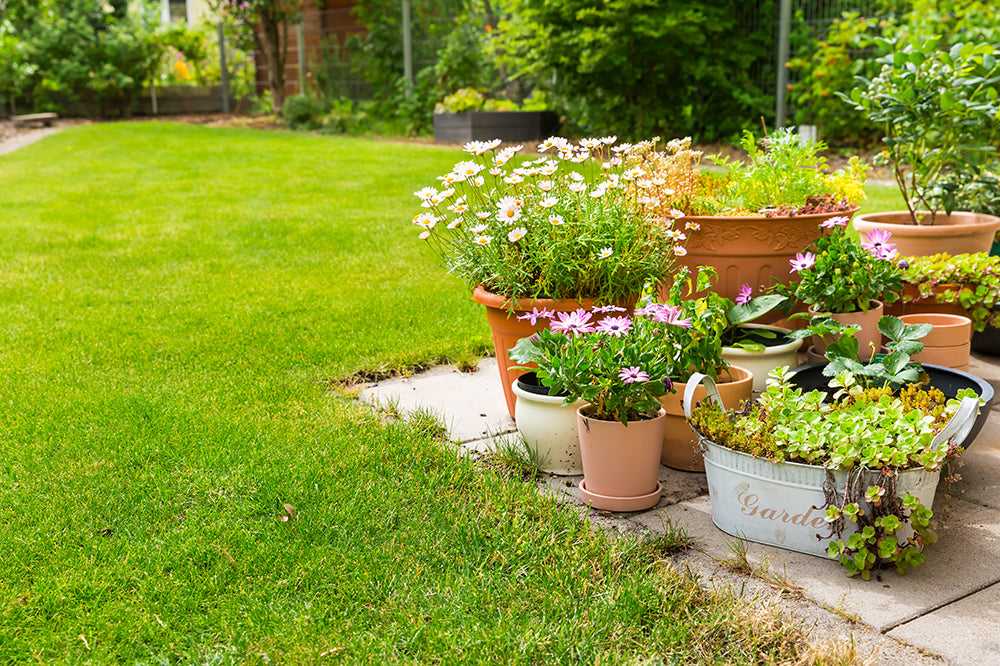
Yes, you can grow Bermuda grass from seed! If you’re looking to establish a lush, green lawn or fill in bare patches, Bermuda grass is a fantastic option. Known for its durability and heat tolerance, this warm-season grass thrives in sunny environments and is perfect for areas with high foot traffic. Growing it from seed requires some basic steps, such as choosing the right time to plant, preparing the soil, and ensuring proper watering. With a little patience and care, you can enjoy a vibrant Bermuda grass lawn that enhances your outdoor space. Let’s dive into how you can successfully grow Bermuda grass from seed, ensuring a healthy and thriving lawn.

Can You Grow Bermuda Grass from Seed?
Bermuda grass is a popular choice for lawns and sports fields because of its durability and vibrant green color. Many homeowners wonder if they can grow this grass from seed. The good news is that yes, you can grow Bermuda grass from seed! In this article, we will dive deep into the process, requirements, and best practices for successfully establishing a Bermuda grass lawn from seed.
Understanding Bermuda Grass
Bermuda grass is a warm-season turfgrass that thrives in sunny areas. It is known for its resilience and ability to withstand heavy foot traffic. This grass type prefers a sunny environment and grows best in USDA hardiness zones 7 through 10.
- It establishes quickly and spreads rapidly.
- Bermuda grass is drought-resistant and easy to maintain.
- It is commonly used for lawns, golf courses, and sports fields.
Why Grow Bermuda Grass from Seed?
Growing Bermuda grass from seed has several advantages. Here are some reasons why you might choose this method:
- Cost-effective: Seeding is generally cheaper than laying sod.
- Variety: You have access to different Bermuda grass seed blends.
- Better root establishment: Seeds can develop stronger root systems over time.
When to Plant Bermuda Grass Seeds
Timing is crucial when growing Bermuda grass from seed. The best time to plant Bermuda grass is during the late spring or early summer. Here are some tips for timing your seeding:
- Wait until soil temperatures reach at least 65°F.
- Plant after the last frost date in your area.
- Consider regional climate variations that may affect planting times.
Preparing the Soil for Seeding
Preparing your soil is essential for successful seed germination. Follow these steps to ensure your soil is ready:
1. **Clear the Area:** Remove any debris, weeds, or old grass from the area you plan to seed.
2. **Test Soil pH:** Bermuda grass prefers a pH level between 6.0 and 7.0. You can use a soil test kit to check this.
3. **Amend the Soil:** Based on your soil test results, add lime or sulfur to adjust pH as needed.
4. **Aerate the Soil:** Aerating the soil helps improve drainage and allows for better seed-to-soil contact.
Choosing the Right Bermuda Grass Seed
Selecting the appropriate Bermuda grass seed is vital. Here are a few factors to consider:
Seed Varieties
There are several Bermuda grass seed varieties suited for different climates and uses. Some of the most common include:
- Common Bermuda: Affordable and widely available.
- Hybrid Bermuda: Offers superior wear tolerance and growth rates.
- Seed blends: Combine different varieties for optimal growth.
Quality of Seed
Always choose high-quality seeds from reputable brands. Look for seeds with a high germination rate and avoid any with fillers.
Seeding Techniques
Once you’ve chosen your seed, it’s time to plant! Here’s how to do it effectively:
1. **Distribute Seed Evenly:** Use a broadcast spreader for even seed distribution.
2. **Seed Rate:** Follow the recommended seed rate, which is typically around 1 to 2 pounds per 1,000 square feet.
3. **Rake the Soil:** Lightly rake the area after seeding to ensure good seed-to-soil contact.
Watering Your Newly Seeded Lawn
Proper watering is vital for successful germination. Here are some watering tips:
- Water lightly twice a day for the first two weeks.
- Keep the soil consistently moist but not soggy.
- Gradually reduce watering frequency as the grass establishes.
Fertilizing Bermuda Grass
Fertilizing your new lawn helps to encourage strong growth. Here’s what you need to know:
1. **Initial Fertilization:** Use a starter fertilizer high in phosphorus when you sow the seeds.
2. **Ongoing Fertilization:** Apply a balanced fertilizer every 6 to 8 weeks during the growing season.
Maintaining Your Bermuda Grass Lawn
Once your Bermuda grass is established, ongoing maintenance is essential for a healthy lawn. Here are some maintenance tips:
- Mow regularly to keep the grass at a height between 1 to 2 inches.
- Apply weed control products as needed.
- Monitor for pests and diseases, treating them promptly.
Common Issues When Growing Bermuda Grass from Seed
Like any plant, Bermuda grass can face challenges during its growth. Here are some common issues to watch for:
Weeds
Weeds can compete with your Bermuda grass for nutrients and water. Regular weeding or using pre-emergent herbicides can help keep them at bay.
Pests and Diseases
Bermuda grass can be susceptible to pests like grubs and diseases like brown patch. Maintaining good cultural practices can help minimize these issues.
Inconsistent Growth
Sometimes, Bermuda grass may not grow uniformly. Compacted soil or poor watering practices can lead to this problem. Ensure proper aeration and consistent watering.
Growing Bermuda grass from seed is entirely possible and can lead to a lush, vibrant lawn. Following the right steps, from selecting quality seeds to maintaining your lawn, will ensure success. With some patience and care, you can enjoy a beautiful Bermuda grass lawn for years to come.
Establishing Bermudagrass from Seed
Frequently Asked Questions
“`html
What is the best time to plant Bermuda grass seeds?
The optimal time to plant Bermuda grass seeds is during the warm months of late spring to early summer when soil temperatures reach around 65°F to 75°F. This warm climate promotes faster germination and establishment of the grass, allowing it to thrive throughout the growing season.
How long does it take for Bermuda grass to germinate from seed?
Bermuda grass typically takes about 7 to 12 days to germinate under ideal conditions. Factors such as soil temperature, moisture, and seed quality can affect the germination time. Consistent watering and maintaining the right temperature range will enhance the germination process.
What type of soil is best for growing Bermuda grass?
Bermuda grass grows best in well-drained, sandy loam soils that have a pH level between 6.0 and 7.0. Good drainage prevents waterlogging, while sandy loam provides the necessary nutrients and allows for proper root development. Conducting a soil test can help determine the nutrient needs before planting.
Should I fertilize Bermuda grass seedlings?
Yes, fertilizing Bermuda grass seedlings can promote healthy growth. Use a starter fertilizer with a balanced nutrient ratio to support early development. Apply it according to the package instructions, usually when you first sow the seeds and follow up with additional feedings as the grass grows.
How often should I water Bermuda grass after seeding?
After seeding Bermuda grass, water lightly and frequently to keep the soil consistently moist until the seeds germinate. Once the grass has established, you can reduce watering to once every few days, depending on rainfall and temperature. Generally, Bermuda grass requires about 1 to 1.5 inches of water per week.
“`
Final Thoughts
You can successfully grow Bermuda grass from seed with the right preparation and care. Start by selecting quality seeds and ensuring proper soil conditions. Regular watering and adequate sunlight play crucial roles in establishing a healthy lawn.
Can you grow Bermuda grass from seed? Yes, with patience and attention to detail, you can enjoy a lush, green yard. Following these steps will lead you to a thriving Bermuda grass lawn that enhances your outdoor space.