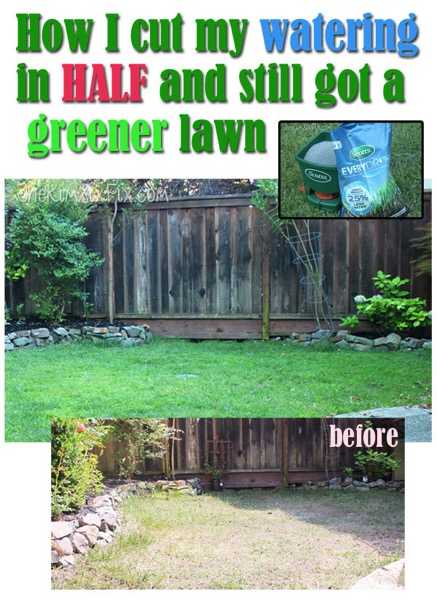
Yes, watering can make grass greener, but only if done correctly. Proper watering helps keep the grass healthy, lush, and vibrant, especially during dry periods. Overwatering or underwatering, however, can have the opposite effect, so understanding the right habits is key.
Watering can indeed make grass greener, provided it’s done thoughtfully and consistently. When grass receives the right amount of water, it stays hydrated, improves nutrient absorption, and promotes growth. But many homeowners wonder if simply watering more often will produce a greener lawn. The truth is, it’s about quality and timing, not just quantity. In this article, we’ll explore how watering impacts grass color, the best practices for watering, and how to tell if your lawn is getting the hydration it needs to look its best. With a few simple tips, you’ll be able to achieve a vibrant, healthy green lawn that will be the envy of your neighborhood.

Can watering make grass greener? Exploring the truth about watering and lawn health
Understanding how watering affects grass
Watering provides the essential moisture grass needs to stay healthy. Proper watering encourages growth, helps repair damage, and keeps grass vibrant. Without enough water, grass turns yellow and becomes thin. Too much watering, however, can cause problems as well.
How much water does grass need?
Most grass types require about 1 to 1.5 inches of water per week. This amount can vary depending on the climate, soil type, and grass variety. It’s best to water deeply and infrequently to encourage deep root growth. Shallow watering promotes shallow roots, making grass more vulnerable.
The importance of watering frequency and timing
Watering early in the morning is ideal because it allows grass to dry during the day. This prevents disease and fungus. Generally, watering two to three times per week is sufficient in most climates. Adjust frequency based on rainfall and soil moisture levels.
The role of soil in watering effectiveness
Healthy soil absorbs and retains water better, helping grass thrive. Sandy soils drain quickly and may require more frequent watering. Clay soils hold water longer but can suffer from poor aeration, leading to water runoff or root rot. Improving soil structure helps maximize watering benefits.
Signs that grass needs more or less water
If grass turns dull or begins to wilt, it may need more water. Brown patches often indicate drought stress. Conversely, if water pools on the surface or roots become soft and slimy, overwatering is likely. Monitoring these signs helps find the right balance.
How overwatering affects grass health
Too much water can drown roots, depriving them of oxygen. This leads to root rot and fungal diseases. Overwatered grass might look lush but is actually unhealthy underneath. Excess water also increases weed growth and pest problems.
Consequences of underwatering
Insufficient watering causes grass to turn yellow or brown. Roots weaken, making grass more vulnerable to pests and disease. Drought-stressed grass struggles to recover and often remains patchy or thin.
Creating a watering schedule tailored to your lawn
Establish a routine based on your grass type, climate, and soil. Use a rain gauge to track rainfall and adjust watering accordingly. Consistency helps roots grow deep, resulting in a greener, stronger lawn.
Techniques to water efficiently and avoid common mistakes
Use drip or sprinkler systems that distribute water evenly. Watering early in the morning reduces evaporation. Avoid watering during the heat of the day or at night to prevent disease. Applying water slowly ensures it penetrates deeply.
Tools and technologies to improve watering practices
Automatic sprinklers with timers help maintain consistent watering schedules. Soil moisture meters show when watering is needed. Rain sensors prevent overwatering after rainfall. These tools make lawn care easier and more effective.
The impact of watering on lawn diseases
Overwatering creates moist environments ideal for fungi such as rust and mold. Proper watering prevents these issues by keeping the grass dry on the surface. Aerating the soil also reduces disease risk.
Watering and lawn fertilization: a balanced approach
Fertilizing helps grass grow thicker and greener. Watering after fertilization ensures nutrients reach roots. Avoid overwatering, which can leach nutrients away or promote disease.
Tips for maintaining a green lawn without excessive watering
– Mow at the right height to promote healthy growth
– Aerate soil to improve water absorption
– Apply mulch to retain moisture
– Use drought-tolerant grass varieties in dry climates
– Adjust watering based on seasonal changes
The connection between watering and grass types
Different grass varieties have distinct watering needs. Cool-season grasses like Kentucky bluegrass prefer slightly more water, while warm-season grasses such as Bermuda thrive with less. Knowing your grass type helps create an effective watering plan.
Dealing with drought and water restrictions
In drought conditions or during water restrictions, focus on watering less but more deeply. Use drought-resistant grass varieties and implement water conservation practices. Mulching and aeration also help retain soil moisture.
Environmental considerations of watering practices
Overwatering wastes water and impacts local water supplies. Runoff can carry pollutants into waterways. Using eco-friendly watering methods reduces environmental impact while maintaining a lush lawn.
Summary: Can watering truly make grass greener?
Proper watering is a vital part of maintaining a healthy, vibrant lawn. It encourages lush growth and helps grass resist pests and disease. However, overwatering can be just as harmful as underwatering. Finding a balance tailored to your grass type and environment ensures your lawn remains green and strong.
How Much, How Often, & When to Water Your Lawn
Frequently Asked Questions
How does watering frequency affect the greenness of grass?
Watering too frequently can lead to shallow root growth, making the grass less resilient and potentially dull in color. On the other hand, watering deeply at appropriate intervals encourages roots to grow deeper into the soil, which helps the grass absorb nutrients more effectively. Proper watering frequency ensures the grass remains healthy and maintains a vibrant green hue.
What amount of water is ideal for promoting greener grass?
Generally, grass needs about 1 to 1.5 inches of water per week, including rainfall. Applying this amount evenly helps ensure the soil stays moist enough to sustain healthy growth without becoming waterlogged. Adjust the amount based on your local climate and soil type to achieve the best results and keep your grass lush and green.
Can inconsistent watering harm the appearance of my lawn?
Yes, irregular watering can cause stress to the grass, leading to uneven color and patchy growth. Too little water causes the grass to dry out, while excessive watering can drown roots and foster disease. Maintaining a consistent watering schedule helps keep the grass uniformly green and healthy-looking.
Does watering early in the morning benefit grass color retention?
Watering early in the morning allows the grass to absorb moisture before the heat of the day causes evaporation. This helps the grass stay hydrated and reduces stress, promoting a richer green color. Morning watering also minimizes the risk of disease, which can develop in damp evening conditions.
Are there specific watering techniques that improve grass color?
Using slow, deep watering methods encourages deep root growth, which enhances the grass’s ability to retain nutrients and stay green. Avoid frequent shallow watering, as it promotes weak roots. Employing proper irrigation tools and watering in the early morning can significantly improve the overall color and health of your lawn.
Final Thoughts
Watering your lawn correctly is key to maintaining healthy, vibrant grass. Consistent, deep watering encourages strong roots and lush growth. Overwatering can lead to issues like disease and shallow roots, while insufficient watering makes grass dry and patchy.
Timing also matters; early mornings are best to reduce evaporation and fungus risk. Use the right amount of water based on your grass type and weather conditions for optimal results.
In conclusion, can watering make grass greener? Yes, proper watering can significantly improve your lawn’s appearance. Proper hydration ensures your grass stays healthy, lush, and green.