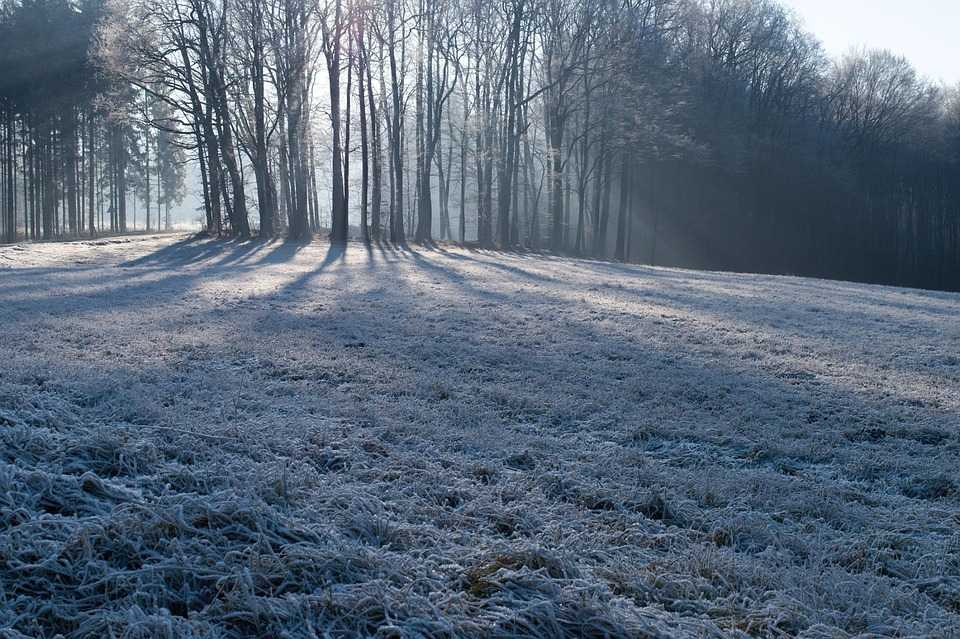
Yes, you can cut your lawn during the winter, but there are some important considerations to keep in mind. If the grass is still growing and not covered by snow, a light trim can help maintain its health and appearance. However, be cautious not to cut it too short, as this can stress the grass and make it vulnerable to cold damage. It’s best to use a sharp mower blade and adjust your cutting height to avoid harming the grass. Remember, every lawn is unique, so observe your specific situation and adjust accordingly. Keeping these tips in mind can help you maintain a healthy lawn even in the winter months.

Can Cut Lawn Winter Edition
The winter season can bring a unique set of challenges for lawn care. Many homeowners wonder if it’s necessary or even beneficial to cut their lawns during the colder months. In this guide, we will explore the intricacies of lawn care in winter, providing valuable tips and strategies to maintain a healthy yard even when temperatures drop.
Understanding Your Lawn’s Dormancy
During winter, grass naturally enters a dormant phase. This dormancy is a survival mechanism that allows it to withstand cold temperatures.
– **Cool-Season Grasses**: Grass types such as fescue and ryegrass thrive in colder conditions and may remain green throughout winter.
– **Warm-Season Grasses**: In contrast, Bermuda and zoysia grasses go dormant and turn brown during winter months.
Understanding your specific grass type is essential. Knowing whether your lawn is in a dormant state will help in deciding if cutting is necessary.
The Importance of Cutting Grass in Winter
Cutting your lawn in winter can seem unnecessary, but there are compelling reasons to consider it.
– **Preventing Damage**: Tall grass can become matted by snow and ice, promoting mold and other issues. Regular mowing can help prevent this.
– **Aesthetic Appeal**: Keeping your lawn tidy can maintain a neat appearance throughout the winter months.
It’s important to note that the frequency and height of cuts will differ based on the grass type and local climate.
When to Mow Your Lawn in Winter
Timing is crucial when it comes to winter mowing. Here are some guidelines:
– **Dry Days**: Only mow when the grass is dry. Wet grass can lead to uneven cuts and can also harm the soil structure.
– **Weather Considerations**: Aim for warmer days, typically above 40°F, when grass is more resilient.
These conditions will ensure your mowing efforts are effective and beneficial.
Ideal Cutting Height for Winter Mowing
Maintaining the right height when cutting your lawn is crucial during winter.
– **Higher Cuts**: For cool-season grasses, keep the height around 3 inches. This length helps protect the crown from harsh conditions.
– **Lower Cuts**: Warm-season grasses should be cut at about 1 to 2 inches before going dormant.
Proper cutting heights can minimize damage and promote healthier grass growth once spring arrives.
Tool Selection for Winter Lawn Care
Choosing the right tools for winter lawn maintenance can make the job easier and more effective.
– **Mowers**: Use a sharp mower blade to ensure a clean cut.
– **Hand Tools**: A rake or dethatching tool can be beneficial for clearing debris and preventing mold.
Having the right equipment ensures that the lawn stays healthy and helps facilitate better mowing experiences.
Common Mistakes in Winter Lawn Care
Avoiding mistakes in winter lawn care is critical for preserving the health of your grass. Here are some common pitfalls:
- **Mowing Too Short**: Cutting too low can damage the grass and make it more susceptible to winter stress.
- **Ignoring Debris**: Leaving leaves or branches can suffocate the grass and lead to mold.
- **Mowing Wet Grass**: This can clump and create uneven cuts, damaging the turf.
Being aware of these mistakes can help maintain a healthy winter lawn.
Fertilizing Your Lawn in Winter
While winter isn’t typically a time for fertilization, there are specific considerations.
– **Late Fall Fertilization**: Using a slow-release fertilizer in late fall can prepare your grass for the winter months.
– **Spring Boost**: Applying fertilizer in early spring can jump-start growth when the weather warms up.
Proper fertilization techniques can lead to a healthier lawn come spring.
Watering Needs During Winter
Understanding your lawn’s water needs during winter is essential.
– **Dormant Grass**: During dormancy, grass requires minimal water. Snow can actually provide insulation and moisture.
– **Dry Spells**: If there are prolonged dry periods, watering deeply but infrequently can help keep roots healthy.
Monitoring soil moisture ensures your grass remains hydrated without overwatering.
Addressing Winter Weeds
Weeds can still be a problem during winter, especially in warmer climates.
– **Identifying Winter Annuals**: Some weeds germinate in fall and thrive in winter.
– **Control Methods**: Hand-pulling or using appropriate herbicides can effectively manage these weeds.
Addressing the presence of weeds proactively can lead to a healthier lawn in the upcoming seasons.
The Role of Snow in Lawn Care
Snow can actually be beneficial for your lawn.
– **Insulation**: Snow acts as an insulator, protecting grass from extreme cold.
– **Moisture**: As it melts in spring, snow provides moisture that is essential for grass growth.
Understanding the role of snow can help you appreciate its benefits during the winter months.
Preparing for Spring
Although winter is a time for dormancy, preparing your lawn for spring is essential.
– **Cleaning Up**: Clear any debris post-winter to promote healthy regrowth.
– **Soil Testing**: Conduct soil tests to determine any necessary adjustments for soil health.
Taking these steps will ensure a smooth transition into the growing season.
Taking care of your lawn during winter can be a rewarding task. With the right knowledge and approach, you can ensure your grass remains healthy and ready for spring. Proper cutting, timing, and maintenance will all contribute to the overall health of your lawn. Remember, a little effort during the cold months can lead to a lush and vibrant yard when the weather warms up. Enjoy your winter lawn care journey!
When To Stop Mowing Grass | Winter Tips
Frequently Asked Questions
What precautions should I take when cutting grass in winter?
When cutting grass in winter, ensure your mower is equipped for colder conditions. Clear any debris from the lawn before mowing, as snow or frost can hide potential hazards. It’s essential to check the weather forecast to avoid mowing during freezing temperatures, which can damage the grass. Additionally, keep the mower blades sharp to ensure a clean cut, which helps the grass recover better.
How does cutting the lawn in winter affect its growth?
Mowing the lawn during winter can help maintain its health. Cutting the grass to a suitable height prevents it from becoming too long, which can lead to disease and pest problems. However, avoid cutting too low, as this can stress the grass and make it more vulnerable to cold damage. Trim gently to encourage healthy growth as temperatures rise in spring.
Is it necessary to cut the lawn if there’s snow on the ground?
No, it’s not advisable to cut the lawn when there’s snow. Snow can obscure the grass and conceal obstacles, risking damage to your mower and the lawn itself. Instead, wait until the snow melts and assess the lawn’s condition before deciding to mow.
What should I do if my mower struggles in winter conditions?
If your mower struggles during winter conditions, check for common issues such as fuel quality, battery charge, and blade sharpness. Cold weather can affect the performance of the fuel and battery, so use a winter-grade fuel and ensure the battery is fully charged. If problems persist, consider servicing the mower to ensure it operates efficiently in cold weather.
Can winter mowing help control weeds?
Winter mowing can help control weeds by cutting back their growth before they have a chance to seed. Regular mowing reduces the overall height of weeds and assists in keeping them at bay. However, be cautious not to cut too low, as this may harm the grass and encourage weed proliferation.
Final Thoughts
Utilizing the ‘Can Cut Lawn Winter Edition’ allows homeowners to maintain their lawns effectively during the colder months. This edition provides essential tools and tips for winter lawn care, ensuring your grass stays healthy and vibrant.
With proper attention and the right equipment, your lawn can thrive even in winter. Emphasizing care and maintenance, ‘Can Cut Lawn Winter Edition’ helps you navigate seasonal challenges with ease.