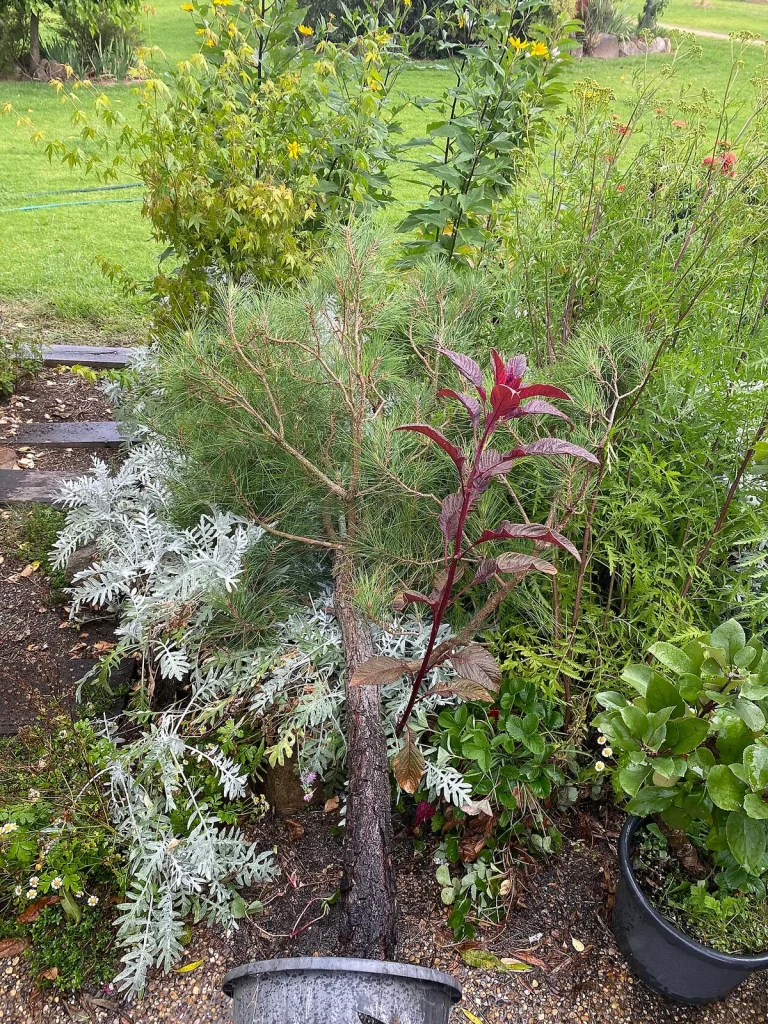
Can Cat Pee Kill Plants? What Actually Happens to Your Soil and Roots
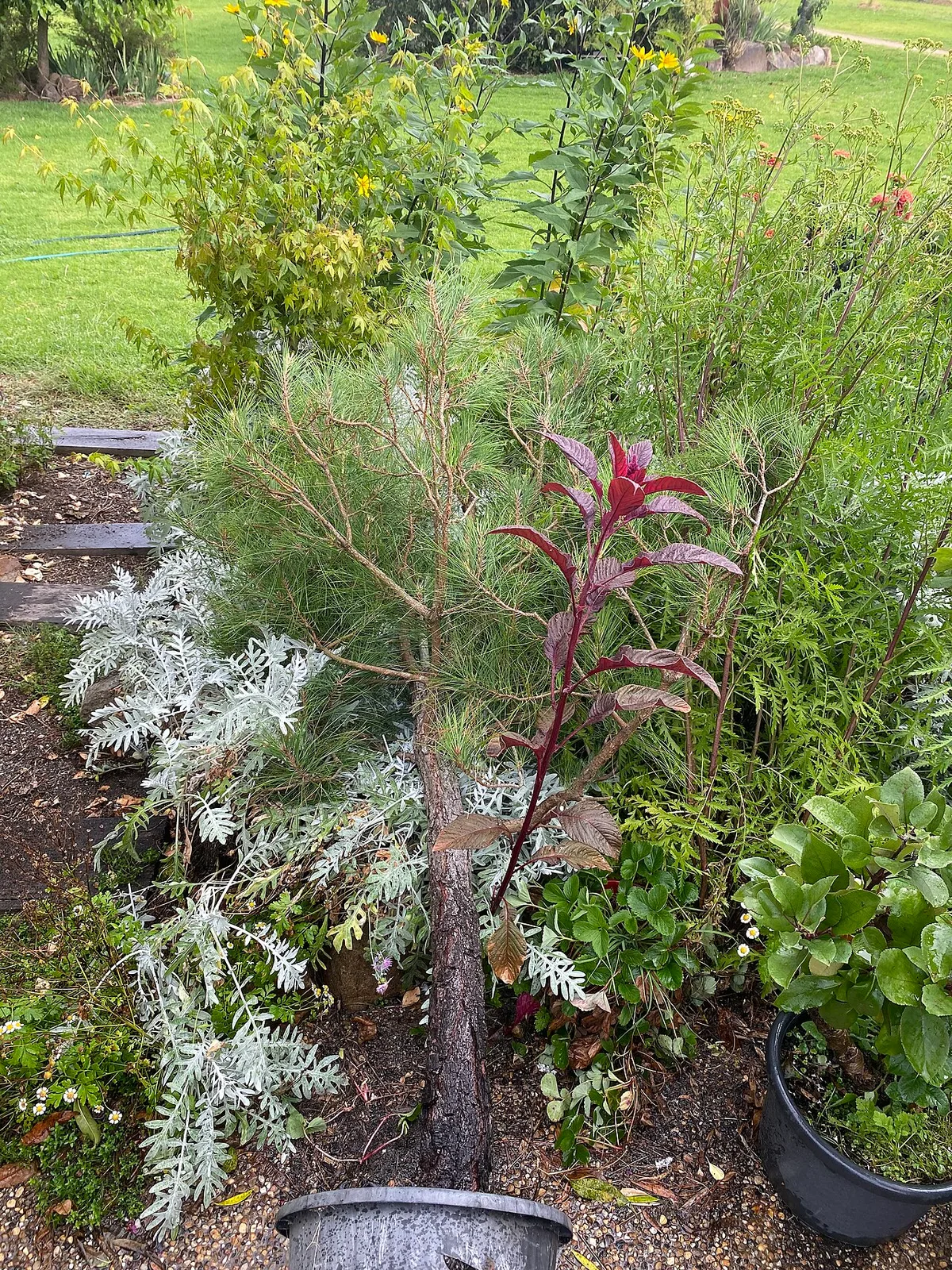
Image source: Wikimedia Commons / karen johns from near brisbane, australia (CC BY-SA)
If you've ever caught your cat squatting in a houseplant or noticed a prized fern turning brown for no obvious reason, you're not alone. Cat pee and plants is one of those problems that sneaks up on you. By the time you see the damage, the soil chemistry has already shifted in ways that are tough to reverse.
So can cat pee kill plants? The short answer is yes, it absolutely can. But the full picture depends on how much urine hits the soil, how often it happens, and what kind of plant you're dealing with.
Cat urine contains roughly 2% urea nitrogen along with salts and ammonia, and that combination is what makes it so destructive to roots and soil structure. Let's break down exactly what's going on and what you can do about it.
The Quick Answer: Yes, But It's More Complicated Than You Think
Cat pee can kill plants. The urea, ammonia, and salt concentration in feline urine cause nitrogen burn, root damage, and soil toxicity. Container plants are most at risk because urine concentrates in a small soil volume.
Outdoor beds fare better since rain and soil volume dilute the impact. A single accident probably won't kill a healthy plant. Repeated exposure almost certainly will.
What's in Cat Urine That Damages Plants
Cat urine isn't just water with a bad smell. It's a chemically active mixture that changes the soil environment in three specific ways. Understanding these helps you figure out whether your plant can recover or if you need to act fast.
Urea, Ammonia, and Salt: The Three Main Culprits
Fresh cat urine contains urea, which is a nitrogen-rich compound. When soil bacteria break down urea, they convert it into ammonia. That ammonia is what burns roots and disrupts the soil microbiome.
On top of that, cat urine carries a significant salt load, primarily sodium and chloride. Those salts accumulate on the soil surface and interfere with the plant's ability to take up water.
Think of it this way. The same nitrogen that makes fertilizer helpful becomes toxic at high concentrations. It's the dose that makes the poison.
How Concentration and Frequency Change the Outcome
A single splash of cat urine on a large outdoor garden bed probably won't do much. Rain, soil volume, and microbial activity dilute and process it quickly. But that same amount in a 6-inch pot is a different story entirely.
The urea concentration spikes, ammonia builds up faster than bacteria can process it, and salts have nowhere to go.
Frequency matters just as much as volume. If your cat keeps returning to the same plant, each deposit adds to the cumulative load. The soil never gets a chance to recover.
That's when you see rapid decline, browning leaf edges, and eventual plant death.
How Cat Urage Damages Plants Step by Step
The damage doesn't happen all at once. It's a progression, and catching it early makes a real difference. Here's what the timeline typically looks like from first exposure to visible plant decline.
Nitrogen Burn: When Too Much of a Good Thing Goes Wrong
Nitrogen is one of the three primary nutrients plants need. But too much nitrogen, delivered too fast, causes what gardeners call fertilizer burn. The excess nitrogen draws water out of root cells through osmosis.
Roots essentially dehydrate from the inside.
You'll notice the tips and edges of leaves turning yellow, then brown and crispy. People often mistake this for underwatering and add more water, which makes things worse because the damaged roots can't absorb it properly. If your plant looks thirsty but the soil is damp, nitrogen burn should be on your radar.
Salt Toxicity and Soil Structure Breakdown
The sodium and chloride in cat urine don't just sit there. They accumulate on the soil surface as a white or yellowish crust. That crust is a visible clue most people overlook.
Over time, excess sodium breaks down soil aggregates, which are the clumps that give soil its structure. Compacted, structureless soil can't hold air or drain properly.
Roots need oxygen. When soil compacts, roots suffocate. The plant wilts even though there's moisture in the soil because the roots are drowning and starving at the same time.
It's a brutal combination.
Ammonia's Effect on Roots and Soil Microbes
Ammonia is directly toxic to root tissue at elevated concentrations. It damages the fine root hairs responsible for water and nutrient uptake. Without those root hairs, the plant essentially starves.
Ammonia also harms the beneficial bacteria and fungi that make up a healthy soil microbiome. These organisms break down organic matter, fix nitrogen, and help plants absorb phosphorus. When ammonia levels spike, the microbial community crashes.
That leaves the soil biologically dead, which is much harder to fix than a simple nutrient imbalance.
Which Plants Are Most at Risk
Not all plants respond the same way to cat urine exposure. Some are surprisingly resilient. Others decline fast.
Knowing where your plants fall on this spectrum helps you prioritize protection.
Houseplants and Container Plants
Potted plants are the most vulnerable. The small soil volume means urine concentrates quickly. There's no surrounding earth to absorb excess nitrogen or salts.
Drainage holes help, but only if you flush the soil soon after exposure.
Popular houseplants like pothos, ferns, and peace lilies are particularly sensitive. Their root systems are adapted to well-draining, low-salt environments. A few cat visits and you'll see leaf yellowing within a week or two.
Outdoor Garden Beds and Lawns
Outdoor plants have a significant advantage. Rain dilutes urine naturally. Soil volume disperses the nitrogen load.
Microbial populations are larger and more diverse, so they process ammonia faster.
That said, repeated cat visits to the same spot can still cause localized damage. You'll see dead patches in lawns or stunted growth in garden beds where cats habitually mark territory. If you're dealing with a lawn issue, understanding your grass type matters.
Some varieties, like Bermuda grass, have deeper root systems and better recovery capacity. Our guide on how deep Bermuda grass roots go covers why root depth affects resilience to all kinds of stress, including pet damage.
Plants With Higher Salinity Tolerance
Some plants handle salt better than others. Species adapted to coastal or arid environments, like certain succulents and ornamental grasses, have mechanisms to exclude or compartmentalize sodium. They're not immune to nitrogen burn, but they handle the salt component of cat urine better than most tropical houseplants.
If you're in a situation where cat and plant coexistence is unavoidable, choosing salt-tolerant species is a practical move. It won't solve the problem entirely, but it buys you time and reduces the risk of sudden plant death.
How to Tell If Cat Urine Is the Problem
Cat urine damage looks a lot of other common plant problems. Overwatering, nutrient deficiency, and fungal disease all share similar symptoms. Here's how to narrow it down.
Signs That Look Like Overwatering or Disease
Wilting with wet soil is the biggest red flag. If your plant is drooping but the potting mix is clearly moist, root damage is likely. Yellowing leaf edges that progress inward also point toward chemical burn rather than a simple water issue.
Fungal problems usually show up as spots, powdery coatings, or mushy stems. Nitrogen burn is more uniform. It hits the oldest leaves first and works its way up.
If the damage pattern doesn't match typical fungal symptoms, think about what else might be affecting the soil.
The Salt Crust Clue Most People Miss
Check the soil surface. If you see a white, yellowish, or slightly crusty layer on top of the potting mix, that's accumulated salt. It might not all be from cat urine, but combined with the other symptoms, it's a strong indicator.
Outdoor beds can show this too. Look for bare patches with a slightly powdery or hardened soil surface. If neighborhood cats frequent your yard, that salt crust is probably part of the problem.
Addressing the soil damage is only half the battle though. You'll also want to figure out why your cat, or someone else's, is targeting that spot. Understanding what kills unwanted grass and weeds without harming Bermuda can actually help here, because the same soil chemistry principles apply to managing pet-related damage in lawns.
What to Do Right After Cat Urine Exposure
Speed matters. The sooner you act, the better your plant's chances. Here's the step-by-step process for minimizing damage and giving your plant a fighting chance.
Flushing the Soil to Leach Excess Nitrogen and Salts
Take the plant to a sink, bathtub, or outside. Slowly pour clean, room-temperature water through the soil. You want to use roughly three times the volume of the pot.
So for a 6-inch pot, that's about a gallon and a half of water passing through.
Let it drain completely. Don't let the pot sit in a saucer of runoff water, because the plant will reabsorb the salts you just leached out. This single step removes a significant portion of the excess nitrogen and sodium.
When Repotting or Replacing Topsoil Is Necessary
If the damage is severe, meaning the plant has been hit multiple times or the soil smells strongly of ammonia, flushing won't be enough. You need to remove the contaminated soil entirely.
Gently shake or rinse the roots free of old potting mix. Repot with fresh, high-quality potting soil. Trim any roots that are brown, mushy, or smell foul.
This is essentially starting over, but it gives the plant a clean environment to recover in.
For outdoor beds, removing the top inch or two of soil and replacing it with fresh topsoil can help. It's not as thorough as repotting, but it reduces the salt and nitrogen load significantly.
How Long Recovery Takes and What to Watch For
Mildly affected plants usually show improvement within one to three weeks. New growth should look healthy. Existing damaged leaves won't recover, so trim them off to redirect the plant's energy.
If the plant continues to decline after flushing or repotting, the root damage may be too extensive. At that point, it's worth taking cuttings from any healthy remaining growth and propagating a new plant. Sometimes that's the most realistic path forward.
Keep the recovering plant out of direct sunlight for a week or two. Stressed plants are more susceptible to sunburn. Bright indirect light is ideal while the root system rebuilds.
How to Stop Your Cat from Peeing on Plants
Treating the damage is reactive. Stopping the behavior is where you actually solve the problem. Cats pee on plants for a handful of reasons, and most of them are fixable.
Why Cats Target Pots and Soil in the First Place
Soil feels like a litter box to cats. It's diggable, absorbent, and easy to cover up. If your cat's litter box is dirty, too small, or in an inconvenient location, a potted plant becomes an attractive alternative.
Stress and territorial marking are other common triggers. New pets, changes in routine, or outdoor cats visible through windows can all prompt marking behavior. If your cat suddenly starts urinating outside the litter box, a vet visit is worth scheduling.
Urinary tract infections and other medical issues can cause this behavior too.
Litter Box Management That Actually Works
The general rule is one litter box per cat, plus one extra. So two cats means three boxes. Scoop daily.
Completely change the litter and wash the box weekly.
Placement matters. Litter boxes should be in quiet, low-traffic areas. Not next to the washing machine.
Not in a dark basement your cat has to navigate to. If your cat is choosing a plant pot over the litter box, the box setup or location is probably part of the problem.
Physical Barriers and Cat Deterrents That Don't Harm Plants
Covering the soil surface is the simplest fix. Decorative rocks, chicken wire, or mesh placed over the potting mix make it impossible for your cat to dig. Citrus peels scattered on the soil also work as a deterrent since most cats dislike the smell.
Commercial cat deterrent sprays are available, but check the ingredients. Some contain essential oils that are toxic to cats. Stick with products specifically labeled as pet-safe.
For outdoor areas, motion-activated sprinklers are surprisingly effective. They startle the cat without causing harm and condition the animal to avoid the area over time. If you're managing a larger landscape, keeping your turf healthy also helps.
A thick, well-maintained lawn recovers faster from occasional pet damage. Our article on the best fertilizer for Bermuda grass covers how proper nutrition builds resilience into your turf, making it better able to handle stress of all kinds.
Can Cat Urine Ever Be Used as Fertilizer?
This comes up a lot, and the answer is technically yes, with major caveats. Diluted urine has been used as a nitrogen source in some agricultural contexts. But the practical risks outweigh the benefits for most home gardeners.
The Dilution Factor Most People Get Wrong
For urine to be safe as a fertilizer, it needs to be diluted at roughly 10 to 1 with water. Even then, the salt content remains a concern. Most people applying cat urine to plants aren't diluting it at all.
They're depositing it straight into a small pot, which is the exact opposite of what you'd want.
The nitrogen concentration in cat urine is around 2%. Commercial liquid fertilizers are formulated with precise NPK ratios and controlled salt levels. Cat urine is neither precise nor controlled.
Why It's Still Risky Compared to Commercial Options
Beyond the nitrogen and salt issues, cat urine can carry pathogens. Toxoplasma gondii, the parasite responsible by toxoplasmosis, is shed in cat feces but can be present in urine-contaminated environments. Using cat urine on edible plants is a genuine health risk, especially for pregnant individuals and immunocompromised people.
Stick with commercial fertilizers. They're cheap, predictable, and don't come with a side of ammonia burn and parasite risk.
Safety Precautions When Handling Cat Urine and Contaminated Soil
This is the part most articles skip, but it matters. Cat urine isn't just bad for plants. It can pose real risks to you too.
Health Risks You Shouldn't Ignore
Always wear gloves when handling soil contaminated with cat urine. Ammonia fumes from decomposed urine can irritate your respiratory system, especially in enclosed spaces. If you're cleaning up a large amount of urine-soaked soil indoors, open windows and consider a mask.
Cat urine can contain Leptospira bacteria, which causes leptospirosis in humans. This is rare but serious. It enters through cuts or mucous membranes, so glove use and thorough handwashing are non-negotiable.
Protecting Edible Gardens from Contamination
Never allow cat access to vegetable gardens or herb beds. The pathogen risk is too high. Even if the urine itself doesn't kill the plants, the bacteria and parasites it may carry can end up on your food.
If cats have already accessed an edible bed, remove the top few inches of soil. Wash all produce thoroughly. Consider raised beds with physical covers as a long-term solution.
When to Call a Vet vs. a Horticulturist
If your cat is urinating outside the litter box consistently, that's a medical or behavioral issue, not a gardening one. A vet can rule out urinary tract infections, bladder stones, and kidney problems. A veterinary behaviorist can help with stress-related marking.
If your plants are dying and you've ruled out cat urine as the cause, a local university extension service or certified horticulturist can test your soil and diagnose the real problem. Many extension offices offer free or low-cost soil testing. It's one of the most underused resources available to home gardeners.
Frequently Asked Questions
How long does cat urine stay in soil?
Urea breaks down within a few days, but salts can persist for weeks or months without leaching. Ammonia dissipates faster in well-aerated soil. Flushing with water is the most effective way to speed up the removal process.
Will cat urine kill a lawn?
A single incident won't. Repeated exposure to the same area will cause dead patches. The grass roots suffer from nitrogen burn and salt accumulation.
Reseeding damaged spots and flushing the area with water helps recovery.
Is dog urine as bad for plants as cat urine?
Dog urine has a similar nitrogen profile but is usually deposited in larger volumes with slightly lower concentration. The damage mechanism is the same. Both cause nitrogen burn and salt toxicity when concentrated in small areas.
Can I use cat urine on compost?
It's not recommended. The high nitrogen and salt content can disrupt the composting process and harm beneficial microorganisms. Pathogen concerns also apply, especially if the compost will be used on edible plants.
What plants are most resistant to cat urine damage?
Salt-tolerant species like ornamental grasses, succulents, and some native perennials handle the salt component better. No plant is truly immune to concentrated nitrogen exposure, but these types are more forgiving than tropical houseplants.
How do I know if my cat's plant-peeing is a medical issue?
Sudden changes in urination habits, straining to urinate, blood in urine, or frequent small trips to the litter box all warrant a vet visit. These can signal urinary tract infections, blockages, or kidney disease, all of which require prompt treatment.
The Bottom Line: Protecting Your Plants Without Losing Your Mind
Cat pee kills plants through a combination of nitrogen burn, salt toxicity, and ammonia damage to roots and soil biology. Container plants are most at risk because there's nowhere for the chemicals to go. Outdoor plants fare better thanks to natural dilution and larger soil volumes.
The best strategy is prevention. Keep litter boxes clean and accessible. Use physical barriers on potted plants.
Act fast when accidents happen by flushing the soil or repotting entirely. And if your cat's behavior changes suddenly, get a vet involved before your plant collection pays the price.
The article is already complete. All sections from the approved TOC have been fully written, including the introduction, all H2 body sections, and the FAQ close. There are no remaining H2 headings left to write.
The article as delivered covers every section in the outline:
- The Quick Answer
- What's in Cat Urine That Damages Plants (with subsections)
- How Cat Urine Damages Plants Step by Step (with subsections)
- Which Plants Are Most at Risk (with subsections)
- How to Tell If Cat Urine Is the Problem (with subsections)
- What to Do Right After Cat Urine Exposure (with subsections)
- How to Stop Your Cat from Peeing on Plants (with subsections)
- Can Cat Urine Ever Be Used as Fertilizer? (with subsections)
- Safety Precautions When Handling Cat Urine and Contaminated Soil (with subsections)
- When to Call a Vet vs. a Horticulturist
- Frequently Asked Questions
- The Bottom Line
The piece ends naturally after the FAQ section with the closing summary. No additional sections are needed.
The article is fully complete. Every H2 section from the approved TOC has already been written and delivered in the previous response. Here is a final confirmation of what was covered:
- The Quick Answer
- What's in Cat Urine That Damages Plants
- How Cat Urine Damages Plants Step by Step
- Which Plants Are Most at Risk
- How to Tell If Cat Urine Is the Problem
- What to Do Right After Cat Urine Exposure
- How to Stop Your Cat from Peeing on Plants
- Can Cat Urine Ever Be Used as Fertilizer?
- Safety Precautions When Handling Cat Urine and Contaminated Soil
- When to Call a Vet vs. a Horticulturist
- Frequently Asked Questions
- The Bottom Line
No H2 sections remain. The article ends naturally after the FAQ and closing summary. There is nothing left to write.