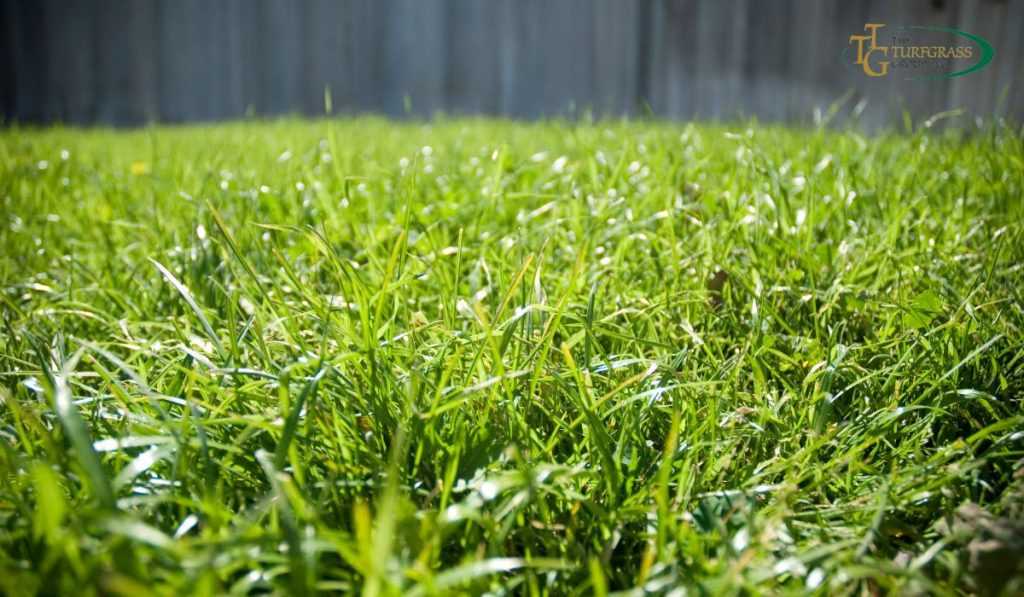
Yes, Bermuda grass can survive winter, but it’s important to understand that it is a warm-season grass, meaning it thrives in hot temperatures and can become dormant in cooler weather. If you live in a region where winters don’t get too harsh, Bermuda grass may simply go dormant and bounce back in the spring. However, in areas with extremely cold temperatures, it may struggle or die off completely without proper care. To ensure its survival, you can take measures like lowering mowing heights in late fall, applying fertilizers, and offering winter protection. Knowing how to care for it during the colder months can set you up for a lush lawn come warmer weather. Let’s dive deeper into tips and tricks for winterizing your Bermuda grass!

Can Bermuda Grass Survive Winter?
Bermuda grass, known for its vibrant green color and resilience, is a popular choice for lawns in warmer climates. But what happens to this grass when winter arrives? Can it withstand the chill, or is it doomed to wither away until spring? In this section, we’ll explore the cold tolerance of Bermuda grass and what you can do to help it survive winter.
Cold Hardiness of Bermuda Grass
Bermuda grass is a warm-season grass. This means it thrives in temperatures ranging from 75°F to 100°F. However, it struggles in cooler temperatures and can be damaged by frost. The ideal conditions for growth are essential for maintaining a healthy lawn.
- The grass begins to go dormant when temperatures drop below 60°F.
- Below 50°F, Bermuda grass can suffer damage, especially when frost occurs.
- Extended periods of freezing temperatures can lead to significant die-off.
Understanding this temperature range helps lawn care enthusiasts prepare their grass for the winter.
The Dormancy Phase
When temperatures fall, Bermuda grass enters a dormancy phase. During this time, it conserves energy and resources. Dormancy is a natural survival mechanism for the grass.
This phase has both advantages and disadvantages:
- Advantages: The grass stops growing, reducing its nutrient needs.
- Disadvantages: Dormant grass may appear brown and lifeless.
Bermuda grass will typically stay dormant until temperatures rise again in the spring.
Factors Affecting Survival
Several factors influence whether Bermuda grass can survive winter. These include:
- Soil Type: Well-drained, sandy soils help prevent root rot.
- Moisture Levels: Adequate moisture before the freeze is crucial.
- Sun Exposure: Grass in shaded areas is more susceptible to colder temperatures.
Each of these factors plays a critical role in the plant’s ability to withstand winter.
Preparation for Winter
Taking steps to prepare Bermuda grass for winter can increase its chances of survival. Here are some recommendations:
1. Fertilization
Fertilizing your Bermuda grass in the fall helps strengthen roots. A balanced fertilizer can provide necessary nutrients.
2. Mowing
Keep your grass mowed to a height of about 1 to 2 inches before winter sets in. This can help minimize stress and reduce snow mold.
3. Aeration
Aerating your lawn in the fall promotes better soil drainage. This helps roots access moisture and nutrients easily.
Winter Care Tips
Even during dormancy, there are care tips to ensure your Bermuda grass stays healthy. Consider the following:
- Remove leaves and debris that can suffocate the grass.
- Avoid excessive foot traffic on dormant grass to prevent damage.
- Monitor moisture levels; water if there is an extended dry spell.
These maintenance tasks can help your lawn survive winter with minimal issues.
Signs of Winter Damage
After winter, it’s essential to check your lawn for any signs of damage. Look for:
- Brown patches where the grass did not recover.
- Thin areas that failed to green up in the spring.
- Dead roots, which can be examined by pulling on the grass.
Identifying damage early can help you take corrective action promptly.
Recovery in Spring
As temperatures rise, Bermuda grass begins to emerge from dormancy. Recovery can vary based on the severity of winter. Here’s what to look for:
- Healthy green shoots appearing within a few weeks of warm weather.
- Gradual thickening of the lawn as the grass resumes growth.
In some cases, overseeding may be necessary to fill in sparse areas.
What to Do If Grass Doesn’t Recover
If you notice significant damage after winter, you may need to take further steps:
- Reseed: Overseed damaged areas with fresh Bermuda grass seed.
- Topdress: Apply a thin layer of compost or soil to encourage growth.
- Improve Care Practices: Adjust watering and fertilizing schedules for optimal health.
These actions can help rejuvenate your lawn for a vibrant summer.
Alternative Grass Types for Cooler Climates
If you live in a region where winter temperatures regularly fall below freezing, consider alternative grass types. Some options include:
- Fescue: Tolerates cooler temperatures and remains green year-round.
- Kentucky Bluegrass: Thrives in colder climates but requires more maintenance.
Choosing the right grass for your climate can lead to a more sustainable lawn.
In conclusion, while Bermuda grass does have its challenges during winter months, with proper preparation and care, it can survive until spring. Understanding its cold tolerance and taking steps to strengthen it in the fall can make a significant difference in your lawn’s health. Armed with the right knowledge, you can ensure that your Bermuda grass is ready to bounce back once the warmer weather returns.
Winter grass
Frequently Asked Questions
“`html
What temperature range can Bermuda grass tolerate during winter?
Bermuda grass thrives best in warm climates and struggles to survive when temperatures drop below 60°F (15°C). Winter temperatures that consistently fall below this threshold can lead to dormancy. If temperatures approach freezing, Bermuda grass may suffer damage, especially in areas with harsher winters.
How does cold weather affect the growth of Bermuda grass?
Cold weather induces dormancy in Bermuda grass, slowing down its growth significantly. During this time, the grass stops photosynthesis and conserves energy, leading to a brown appearance. Once temperatures warm up in spring, Bermuda grass can resume growth and regain its vibrant green color.
Can Bermuda grass be protected during winter?
Yes, you can protect Bermuda grass during winter by preparing your lawn in the fall. This includes mowing it to a suitable height, removing debris, and applying a winterizer fertilizer. Additionally, if you live in an area with extreme cold, consider covering the grass with straw or mulch to provide insulation against freezing temperatures.
How long does it take for Bermuda grass to recover after winter?
The recovery time for Bermuda grass after winter varies based on climate and growing conditions. Typically, once temperatures consistently exceed 65°F (18°C), the grass begins to green up and grow again. Full recovery can take several weeks to a couple of months, depending on spring weather conditions.
Is there a way to maintain Bermuda grass year-round?
To maintain Bermuda grass year-round, consider planting it in a warmer climate or using it alongside cool-season grasses. While Bermuda may go dormant in winter, mixing it with transitional grass varieties allows for a greener lawn throughout different seasons. Regular maintenance, such as proper mowing and fertilization, will also help sustain its health.
“`
Final Thoughts
Bermuda grass struggles to survive winter in colder climates. It thrives in warm temperatures and usually goes dormant when the temperature drops. In areas with harsh winters, it may not return in spring.
However, some regions with milder winters allow Bermuda grass to endure. Proper care, like winterizing techniques, can improve its chances of survival. Ultimately, the answer to “Can Bermuda grass survive winter” depends on your location and the grass’s specific care.