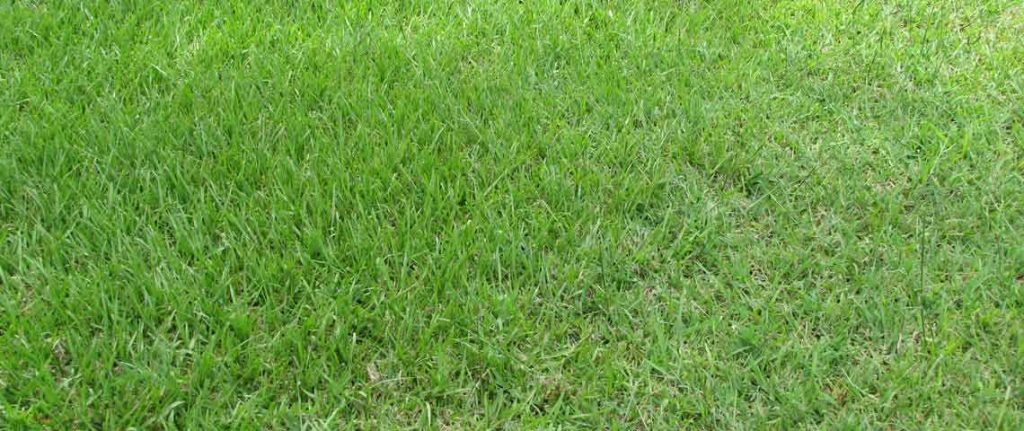
Yes, Bahia grass can survive mild winters, but it may struggle in colder climates without proper care. Its resilience depends on the severity of the winter and whether measures are taken to protect it. If you’re in a zone with harsh winter conditions, extra steps like overseeding or covering the grass might be necessary to help it endure.
Bahia grass, known for its drought tolerance and vibrant green color, is a popular choice for lawns in warm climates. However, when winter rolls around, especially in areas with freezing temperatures, its survival becomes uncertain. While it naturally thrives in subtropical and tropical zones, colder regions require homeowners to take extra precautions. Understanding its winter hardiness can help you decide whether Bahia grass is suitable for your lawn or if you’ll need to consider alternative grass types better suited to cold weather. With a little planning, you can give your Bahia grass the best chance to survive winter and stay lush longer.

Can Bahia Grass Survive Winter?
Introduction to Bahia Grass and Its Growing Environment
Bahia grass, also known as *Paspalum notatum*, is a popular warm-season grass used for lawns, pastures, and sports fields. It thrives in regions with hot summers and mild winters. This grass is known for its drought tolerance and rapid growth. However, its ability to survive cold or winter conditions depends on several factors.
Understanding Bahia Grass Hardiness and Cold Tolerance
Bahia grass is considered a warm-season perennial. Its genetic makeup allows it to grow actively during warm months. When temperatures drop below 50°F (10°C), growth slows, and the grass enters dormancy. Although it can handle brief cold spells, prolonged cold or freezing temperatures can damage or kill the plant.
Temperature Range That Bahia Grass Can Tolerate
Bahia grass performs best in temperatures between 75°F (24°C) and 95°F (35°C).
- Minimum temperature tolerance: Around 32°F (0°C) for short periods.
- Extended cold tolerance: Generally not suitable for zones below 8b or 9.
In colder zones, Bahia grass often struggles to survive because it is not naturally adapted to withstand severe winter cold.
Winter Survival in Different Climates and Zones
The ability of Bahia grass to survive winter varies significantly based on regional climate:
- Zones 8b and 9: Bahia grass may survive mild, short winters with proper care.
- Zones 7 and below: It often does not survive winter without assistance.
In regions with harsh winters, Bahia grass will typically die back or become dormant but may not survive permanent cold.
Factors That Affect Bahia Grass Winter Survival
Several factors influence how well Bahia grass endures winter conditions:
Soil Type and Drainage
Good drainage helps prevent root rot during cold, wet conditions. Clay soils can retain moisture and increase cold damage risk.
Sunlight Exposure
Full sunlight helps Bahia grass recover quickly in spring by increasing warmth during the day.
Fertilization and Maintenance
Proper fertilization can strengthen Bahia grass before winter. A balanced mix with nitrogen, phosphorus, and potassium encourages resilience.
Protection Measures
Using mulch or covering grass with straw can insulate roots from extreme cold. Avoid heavy foot traffic on dormant grass to reduce stress.
Can You Help Bahia Grass Survive Winter?
While Bahia grass naturally struggles with cold, gardeners can take steps to improve its chances:
- Plant Bahia grass in well-drained soils.
- Apply winter protective coverings in colder regions.
- Reduce fertilization late in the season to prevent tender growth.
- Consider overseeding with cold-tolerant grasses for winter coverage.
These strategies may not guarantee survival but can help the grass recover faster in spring.
Alternative Grass Choices for Cold Climates
If your area experiences cold winters regularly, consider other grasses that tolerate lower temperatures better:
- Tall fescue: Tolerant of cold and drought.
- Kentucky bluegrass: Performs well in cold climates with good winter resilience.
- Perennial ryegrass: Grows quickly and withstands cold weather.
These options offer green lawns year-round in regions where Bahia grass may not survive winter.
Winter Dormancy and Regrowth of Bahia Grass
During winter, Bahia grass enters dormancy, turning brown and ceasing growth. With the return of warm weather, it typically greens up and resumes growth. The timeline for regrowth varies depending on the severity of winter conditions and your local climate.
Impact of Freezing Temperatures on Bahia Grass
Freezing temperatures can cause cellular damage in Bahia grass, leading to dieback. Short, light frosts may only affect the grass’s appearance temporarily. But severe or prolonged freezes can kill portions of the plant, especially if plant roots are not protected.
Recommendations for Growing Bahia Grass in Colder Regions
For those in borderline zones or cooler regions, consider the following:
- Plant Bahia grass in microclimates that stay warmer during winter.
- Use raised beds or mounded soils for better drainage and warmth.
- Apply winter mulch to insulate the root zone.
- Plan to overseed with more cold-tolerant grasses if Bahia is unlikely to survive.
These practices can increase the chances of Bahia grass surviving occasional cold snaps.
In summary, Bahia grass is not naturally suited to withstand harsh winter cold in most regions. Its survival prospects depend heavily on local climate, soil conditions, and management practices. While it can survive brief periods of cold in warmer zones, it generally goes dormant or dies back during winter in colder areas. To maintain a healthy lawn or pasture, choose grass varieties that are better adapted to your specific climate or take proactive steps to protect Bahia grass during winter months.
Why Bermuda Grass is Bad (and also SUPER good)
Frequently Asked Questions
How does Bahia grass handle cold winter temperatures?
Bahia grass is sensitive to prolonged cold and frost. During winter, especially in regions with freezing temperatures, its growth slows significantly or halts altogether. The grass may turn brown or die back temporarily, but it typically recovers once warmer weather returns. Proper winter care, such as mowing before the first frost and avoiding excessive foot traffic, can help the grass survive colder months.
What maintenance steps can help Bahia grass endure winter conditions?
To help Bahia grass survive winter, keep the lawn well-maintained throughout the growing season. In late fall, lower the mowing height slightly and remove debris to prevent mold and disease. Applying a slow-release fertilizer in late summer can strengthen roots. In colder areas, consider covering the grass with mulch or straw to provide insulation against frost. Avoid fertilizing late in the season with nitrogen, which can encourage tender growth vulnerable to winter damage.
Can Bahia grass be overseeded with other types of grass for better winter resilience?
Yes, overseeding Bahia grass with cool-season grasses like fescue or ryegrass can improve winter coverage. These grasses tolerate cold temperatures better and will stay green during winter months, maintaining a lush appearance. Overseeding is particularly useful in regions where winter temperatures regularly drop below freezing, providing a visual and functional benefit to your lawn.
Will Bahia grass come back after heavy winter damage?
If Bahia grass suffers severe winter damage, it may take time to recover. In some cases, the dormant grass will regrow from the roots once temperatures warm up. If the damage is extensive and the roots die back, you might need to reseed or sod the area in spring. Proper soil preparation and post-winter care can enhance the chances of successful recovery.
Are there specific climate zones where Bahia grass struggles to survive winter?
Bahia grass performs best in warm, tropical, and subtropical climates. In regions with harsh winters, especially those with frequent or prolonged frosts, the grass struggles to survive without intervention. It tends to go dormant and may die back if exposed to freezing temperatures for extended periods. Gardeners in colder zones should consider alternative grasses suited to winter conditions or provide protective coverings to help the grass endure.
Final Thoughts
In summary, the ability of Bahia grass to survive winter depends on your climate zone. In warmer regions, it generally endures without issue. However, in areas with harsh, cold winters, it may struggle unless properly protected.
Proper maintenance and occasional winter care can improve its chances of survival. You can apply light fertilization and avoid excessive moisture to help it withstand the cold.
Can Bahia grass survive winter? It can in milder climates but may require additional care in colder zones. Always consider your local conditions for best results.