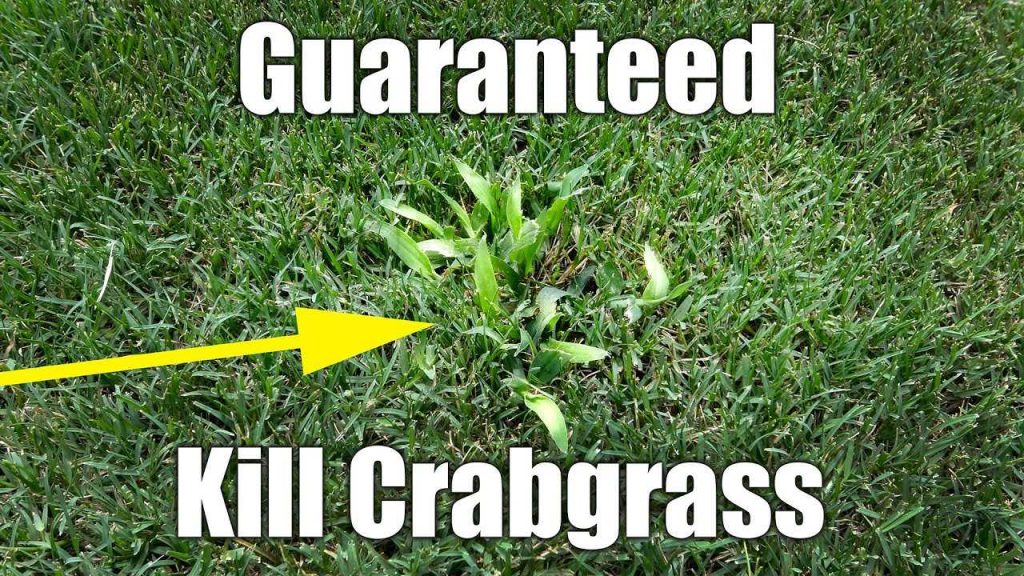
The quickest way to kill crabgrass in your Bermuda lawn is to apply a pre-emergent herbicide in early spring and spot-treat any existing patches with a post-emergent herbicide. Regular mowing and proper lawn care also help prevent its return. Acting early and using the right products are key to maintaining a lush, crabgrass-free lawn.
For a healthy Bermuda grass lawn, tackling crabgrass effectively involves a combination of preventative and corrective steps. Applying a pre-emergent herbicide before crabgrass seeds germinate can prevent new weeds from taking hold, while spot-treating existing patches with a post-emergent herbicide ensures quick removal of visible weeds. Maintaining a dense, healthy lawn through proper fertilization, mowing at the right height, and adequate watering further discourages crabgrass. This integrated approach is your best bet for achieving a pristine, weed-free Bermuda turf.

Best Way to Kill Crabgrass in Bermuda Lawn
Crabgrass is a common problem in Bermuda lawns, especially during the hot summer months. It grows quickly and can take over your yard if not managed properly. The best way to kill crabgrass involves a combination of proper lawn care, targeted herbicide use, and preventive measures. Understanding these strategies thoroughly can help you maintain a healthy, lush Bermuda grass lawn free of unwanted weeds.
Understanding Crabgrass and Its Growth Habits
Crabgrass is a fast-growing annual weed that appears mainly in late spring and summer. It thrives in warm, sunny areas and often spreads aggressively across lawns. Knowing its life cycle is crucial for effective control.
Life Cycle of Crabgrass
- Germination: Seeds typically sprout when soil temperatures reach around 55°F to 60°F.
- Growth: The plant quickly becomes visible, spreading by seed heads and runners.
- Reproduction: Crabgrass produces numerous seeds that can lie dormant in soil for years.
- Lifecycle Completion: It dies off with the first frost, but seeds can still germinate the following year.
Identifying Crabgrass
Crabgrass has broad, flat, light green leaves with a somewhat coarse texture. It tends to grow in low patches and forms dense mats that choke out Bermuda grass.
Preventive Strategies for Crabgrass Control
Timing Is Key
Applying pre-emergent herbicides before crabgrass seeds germinate is essential. The best time for this is during early spring when soil temperatures hit about 55°F.
Selecting the Right Pre-Emergent Herbicide
| Herbicide Name | Application Timing | Effectiveness |
|---|---|---|
| Prodiamine | Early spring | Highly effective for preventing seed germination |
| Siduron | Late winter to early spring | Good control for crabgrass |
| Barricade | Pre-emergent application early spring | Widely used and effective |
Proper Lawn Maintenance to Prevent Crabgrass
- Regular Mowing: Keep Bermuda grass at the recommended height of 1.5 to 2 inches to shade soil and inhibit crabgrass seed germination.
- Watering: Deep, infrequent watering helps develop healthy roots and discourages weed growth.
- Fertilization: Proper fertilizing promotes dense Bermuda turf, making it harder for crabgrass to establish.
Post-Emergent Herbicide for Crabgrass Removal
Choosing Effective Post-Emergent Herbicides
When crabgrass appears after pre-emergent application or if it was missed, targeted post-emergent herbicides are necessary. Select products containing active ingredients like quinclorac or fenoxaprop-p-ethyl.
Application Tips for Post-Emergent Herbicides
- Timing: Apply when crabgrass is young and actively growing for best results.
- Weather: Avoid applying herbicides before rain or in high heat to prevent damage to Bermuda grass.
- Spot Treatment: Focus on infested areas to prevent unnecessary chemical use.
Natural and Organic Alternatives
Using Corn Gluten Meal
Corn gluten meal acts as a natural pre-emergent herbicide. It can prevent crabgrass seeds from germinating and is safe for Bermuda lawns.
Manual Removal Techniques
Hand-pulling crabgrass is effective for small patches. Be sure to remove entire roots to prevent regrowth.
Additional Tips for Long-Term Crabgrass Management
Maintain a Healthy Lawn
A dense Bermuda lawn offers natural resistance to weed invasion. Regular aeration and overseeding keep the turf thick and resilient.
Seasonal Lawn Care Routines
- Spring: Apply pre-emergent herbicide and fertilize lightly.
- Summer: Keep mowing and watering consistently, watch for weeds.
- Fall: Aerate, overseed, and apply post-emergent herbicides if necessary.
Monitoring and Early Intervention
Regularly inspect your lawn for crabgrass and address small patches immediately. This prevents larger infestations and makes control easier.
Summary of Effective Crabgrass Control Methods
- Pre-emergent herbicides: Apply early spring before germination.
- Proper mowing: Maintain Bermuda grass at recommended height to shade soil.
- Watering and fertilization: Promote a healthy, thick turf.
- Hand-pulling and manual removal: Use for small infestations.
- Post-emergent herbicides: Use when crabgrass is actively growing.
- Organic options: Corn gluten meal can prevent seed germination naturally.
Consistent lawn care, timely herbicide application, and quick action on emergent weeds will greatly reduce crabgrass in your Bermuda lawn. Combining these strategies ensures a lush, weed-free yard that stays healthy year-round.
Safely Kill Crabgrass in Bermuda Lawn
Frequently Asked Questions
What is the most effective time of year to control crabgrass in a Bermuda lawn?
The best time to treat crabgrass in a Bermuda lawn is during its early germination phase in spring, when soil temperatures reach approximately 55°F to 60°F. Applying pre-emergent herbicides during this window can prevent crabgrass seeds from sprouting. Additionally, spot-treat existing crabgrass with post-emergent herbicides when the weeds are young and actively growing for the best results.
How can I improve my Bermuda lawn to make it less vulnerable to crabgrass invasion?
Maintaining a healthy and dense Bermuda lawn helps prevent crabgrass from establishing. Regularly fertilize your lawn with a balanced fertilizer to promote vigorous growth, and mow at the recommended height to encourage thick turf. Aerate the soil annually to improve drainage and root development, creating a less hospitable environment for crabgrass seeds to germinate and grow.
Are there natural methods to control crabgrass in my Bermuda grass without using chemicals?
Yes, maintaining proper lawn health is the most natural method. Regular mowing at the correct height, proper watering, and overseeding can help compete with crabgrass. Hand-pulling young weeds and using mulches or organic covers in bare spots can also suppress crabgrass growth. These practices strengthen the Bermuda grass and reduce the chance for crabgrass to invade.
What specific herbicides work best for eliminating crabgrass in Bermuda lawns?
Look for selective post-emergent herbicides containing quinclorac or quinclorac-like active ingredients, which specifically target crabgrass without harming Bermuda grass. Always follow the manufacturer’s instructions for application rates and timing. Using these herbicides during the active growth phase of crabgrass ensures better control without damaging your lawn.
What should I avoid doing to prevent crabgrass from spreading in my Bermuda turf?
Avoid overwatering your lawn, as excessively moist soil favors crabgrass germination. Refrain from over-fertilizing, which can lead to weak, thin turf susceptible to weed invasion. Do not mow too low, as it exposes the soil and encourages weed seed germination. Regularly removing weeds and maintaining a thick, healthy Bermuda lawn also reduces crabgrass spread effectively.
Final Thoughts
The best way to kill crabgrass in bermuda lawn involves a combination of pre-emergent and post-emergent herbicides. Apply a pre-emergent herbicide early in the spring to prevent crabgrass seeds from germinating. Use a targeted post-emergent herbicide to treat existing crabgrass patches promptly. Regular lawn maintenance, including proper watering and mowing, also helps prevent future growth. Taking these steps ensures a healthy bermuda lawn free of crabgrass.