The quickest way to eliminate annual bluegrass is by applying a targeted herbicide in early spring or fall, combined with proper lawn care practices. Removing this stubborn weed requires a strategic approach that disrupts its growth cycle and prevents future invasions.
In short, the best way to kill annual bluegrass involves using a selective herbicide designed for grassy weeds, followed by consistent lawn maintenance, including proper watering and fertilization. Timing and treatment are key to successfully eradicating this invasive weed and restoring your lawn’s health.
Dealing with annual bluegrass can be frustrating for homeowners aiming for a lush, green yard. This pesky weed often appears in cool, moist conditions and spreads quickly, taking over your lawn if not addressed promptly. Fortunately, there are effective methods to get rid of it, starting with identifying the right time and treatments to target its growth. Whether you’re battling a small patch or an extensive invasion, understanding the weeds’ lifecycle and applying the appropriate herbicide at the right moment can make all the difference. Along with this, adopting good lawn management practices will help prevent its return and keep your yard looking its best.

Best Way to Kill Annual Bluegrass
Understanding Annual Bluegrass
Annual bluegrass, also called Poa annua, is a common weed found in many lawns and golf courses. It thrives in cool, moist conditions and spreads quickly through seed. Knowing its growth habits helps determine the most effective ways to eliminate it.
Why Is it Important to Control Annual Bluegrass?
This weed can take over your lawn if not managed promptly. It competes with desirable grasses for nutrients, water, and sunlight. Left unchecked, it can cause uneven turf and reduce the overall health of your lawn.
Identifying Annual Bluegrass in Your Lawn
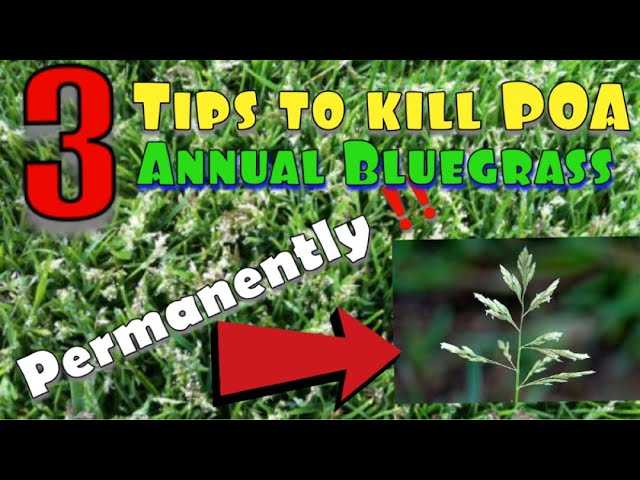
Look for soft, light green patches that grow rapidly. It produces shiny seed heads in spring, which are distinctive. Its fine texture makes it easy to distinguish from thicker, more robust grasses.
Best Time to Kill Annual Bluegrass
Timing is crucial for effective control. The best time to treat annual bluegrass is during its active growth phase in early spring or fall. Applying herbicides during these periods ensures maximum absorption and kills the weed at its most vulnerable stage.
Manual Removal Techniques
For small patches, manual removal can be effective. Use a hand tool like a weed puller or small shovel to carefully extract the plants, making sure to remove the roots. Be diligent and remove all seed heads to prevent spread.
Applying Herbicides Effectively
Herbicides are the most efficient method for large infestations. Select specific products labeled for annual bluegrass control. Always read and follow manufacturer instructions to avoid damaging your desirable grass.
Types of Herbicides
- Pre-emergent Herbicides: Apply in early spring before seed germination to prevent bluegrass from sprouting.
- Post-emergent Herbicides: Use after bluegrass has already emerged to kill existing plants.
Choosing the Right Herbicide
Look for products containing active ingredients like fenoxaprop, mesotrione, or quinclorac. These are proven to be effective against annual bluegrass. Ensure the herbicide is safe for your specific grass type.
Soil and Lawn Preparation for Better Control
Healthy lawns are less prone to weed invasion. Aerate your soil to improve drainage and nutrient absorption. Overseed with a strong, compatible grass variety to crowd out the bluegrass.
Adjusting Lawn Care Practices
Improve your lawn’s health by following proper watering, mowing, and fertilization routines. Keep your grass at recommended heights to promote dense growth, making it harder for weeds to establish.
Proper Watering and Mowing
Water deeply but infrequently to strengthen root systems. Mow at the correct height for your grass type, typically between two and three inches, to shade out bluegrass seeds and prevent germination.
Fertilization Strategies
Use a balanced fertilizer tailored for your grass type. Avoid excessive nitrogen, which can encourage bluegrass growth. Incorporate organic matter into your soil to promote healthy turf.
Preventing Future Infestations
Prevention is better than cure. Regularly inspect your lawn for signs of bluegrass. Apply pre-emergent herbicides early each year to block seed germination. Maintain a healthy lawn to keep weeds at bay.
Natural and Organic Control Methods
For those preferring eco-friendly options, natural methods can help manage bluegrass. Hand-pulling combined with organic herbicides like vinegar solutions can suppress growth without chemicals. Consistent lawn care enhances resistance to weed invasion.
Using Lawn Cover Crops and Mulches
Applying mulch or planting ground covers can limit bluegrass seed germination. This method is especially useful in garden beds adjacent to lawns. Mulches also help maintain soil moisture and temperature.
Monitoring and Ongoing Maintenance
Regularly check your lawn to catch bluegrass early. Maintaining proper lawn health minimizes the chance of reinfestation. Reapply herbicides as needed during each growing season for sustained control.
Additional Tips for Better Results
– Don’t overseed bluegrass-infested areas.
– Avoid overwatering, which encourages bluegrass growth.
– Use a lawn rake to remove debris and weed seeds.
– Consider professional lawn care services if infestations are severe.
Related Topics
- Best Fertilizers to Promote Healthy Grass
- How to Aerate Your Lawn Effectively
- Benefits of Overseeding for Weed Control
- Natural Pest and Weed Control Methods
This comprehensive approach, combining proper identification, timely herbicide application, healthy lawn practices, and preventive measures, will give you the best results in controlling and eventually killing annual bluegrass. Consistency and patience are key to restoring a lush, weed-free lawn.
How to Get Rid of Annual Bluegrass (Poa annua) [Weed Management]
Frequently Asked Questions
What are effective techniques for controlling annual bluegrass in lawns?
Effective control begins with proper cultural practices, such as maintaining a healthy, dense turf that competes with the weed. Applying a pre-emergent herbicide in early spring can prevent annual bluegrass seeds from germinating. For established patches, use a post-emergent herbicide formulated specifically for annual bluegrass, following the label instructions carefully. Regular mowing at the optimal height and overseeding with desirable grasses also help suppress the weed’s growth.
Can adjusting lawn care routines help reduce annual bluegrass presence?
Yes, adjusting your lawn care routines can significantly decrease annual bluegrass. Keeping your lawn at the correct mowing height prevents the weed from establishing. Water deeply but infrequently to promote deep root growth of your turf, which makes it more resilient against weed invasion. Fertilize appropriately to maintain strong grass health, creating a competitive environment that limits bluegrass establishment.
Are there specific herbicides that work best for eliminating annual bluegrass?
Yes, select herbicides containing active ingredients like pinoxaden, mesotrione, or sulfonylureas, which effectively target annual bluegrass. Always apply herbicides during the recommended growth stages—typically when the weed is actively growing—and adhere strictly to the instructions regarding dosage and timing. Combining chemical treatments with cultural practices enhances overall effectiveness and minimizes the risk of damage to your lawn.
Final Thoughts
The best way to kill annual bluegrass involves a combination of cultural, mechanical, and chemical methods. Start by preventing its spread through proper lawn maintenance, such as aeration and overseeding. Apply a selective herbicide in early spring when the weed is young for the most effective results. Regularly monitor your lawn to catch bluegrass early and treat promptly.
Consistent effort and integrated management will keep your lawn healthy and weed-free. Focus on prevention and timely treatment to ensure annual bluegrass does not establish itself. In conclusion, the best way to kill annual bluegrass is through a comprehensive approach that combines cultural practices and targeted herbicide use.