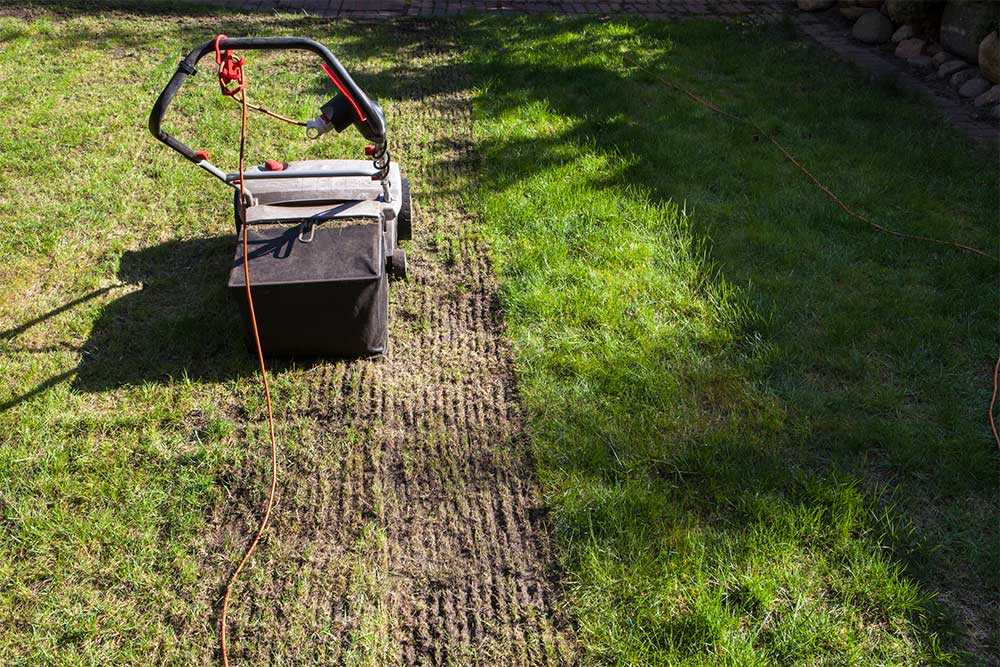
The best time to dethatch your lawn is during the early spring or early fall. Dethatching refers to the process of removing the layer of dead grass, roots, and debris that accumulates on the surface of your lawn. This buildup, also known as thatch, can prevent water, air, and nutrients from reaching the soil and the grassroots. As a result, your lawn may struggle to grow and maintain its health and appearance.
In the early spring, dethatching allows your lawn to recover from the winter dormancy and prepare for the upcoming growing season. It helps to promote new growth and encourages the roots to establish themselves deeper into the soil. Dethatching in the fall, on the other hand, helps remove any thatch buildup from the summer months and prepares the lawn for the winter rest.
By dethatching your lawn at the right time, you can set the foundation for a lush and thriving turf. Let’s explore in more detail why the early spring and early fall are considered the ideal seasons for dethatching, and some tips to ensure a successful process.

Best Time to Dethatch Lawn
Maintaining a lush and healthy lawn requires regular care and attention. One important aspect of lawn care is dethatching, which involves removing the layer of dead grass and debris that can accumulate on the surface of your lawn. This process allows air, water, and nutrients to reach the roots more easily, promoting healthy growth. However, dethatching at the wrong time can have negative effects on your lawn. In this article, we will explore the best time to dethatch your lawn and provide valuable tips to help you achieve optimal results.
Understanding Dethatching
Before delving into the best time for dethatching, it’s essential to understand the process and its benefits. Thatch is a layer consisting of dead grass, leaves, and roots that accumulates between the green vegetation of your lawn and the soil. While a small amount of thatch can be beneficial as it acts as a natural mulch, excess thatch can prevent water, air, and nutrients from reaching the roots, leading to a weak and unhealthy lawn.
Dethatching is the process of removing this excessive thatch layer, typically done using a specialized dethatching machine or a simple thatching rake. By removing the accumulated debris, you allow your lawn to breathe freely and absorb essential nutrients more efficiently. However, it’s crucial to time this activity correctly for optimal results.
Factors to Consider When Determining the Best Time to Dethatch
Several factors influence the best time to dethatch your lawn. These factors can vary depending on the grass type and climate in your area. Here are some essential considerations to keep in mind:
1. Grass Type
Different grass types have different growth patterns and respond differently to dethatching. Cool-season grasses, such as Kentucky bluegrass and ryegrass, tend to benefit from dethatching in early fall or early spring when they are actively growing. Warm-season grasses like Bermuda grass and Zoysia grass, on the other hand, should be dethatched during their peak growing season in late spring or early summer.
2. Climate
The climate in your region plays a significant role in determining the best time to dethatch your lawn. In cooler climates with distinct seasons, it’s generally recommended to dethatch in early spring or early fall, when the weather is mild and grass growth is at its peak. In warmer climates with mild winters, dethatching can be done during the winter months.
3. Soil Moisture
Dethatching should ideally be performed when the soil is slightly moist. If the soil is too dry, it may cause damage to your lawn, and if it’s too wet, the process becomes difficult and inefficient. Check the soil moisture by inserting a garden fork into the ground. If it goes in easily and the soil sticks to the fork, the conditions are suitable for dethatching.
Best Time to Dethatch Cool-Season Grasses
Cool-season grasses are typically found in regions with cooler climates. Here is a breakdown of the best time to dethatch these grass types:
1. Early Fall
Early fall, preferably late August or early September, is an ideal time to dethatch cool-season grasses. The cooler temperatures coupled with regular rainfall create the perfect conditions for grass growth. Dethatching in early fall allows your lawn to recover and grow vigorously before winter.
2. Early Spring
If you missed the dethatching window in fall, early spring provides another opportunity to dethatch cool-season grasses. As the temperatures start to rise and the grass begins its active growth phase, dethatching in early spring helps rejuvenate the lawn and promote healthy growth throughout the season.
Best Time to Dethatch Warm-Season Grasses
Warm-season grasses thrive in regions with warmer climates. Here are the recommended times to dethatch warm-season grasses:
1. Late Spring to Early Summer
Late spring to early summer is the best time to dethatch warm-season grasses like Bermuda grass and Zoysia grass. These grasses enter their peak growth phase during this period, ensuring rapid recovery after dethatching. Avoid dethatching warm-season grasses during periods of drought or extreme heat.
2. Winter (in Mild Climates)
In regions with mild winters, where warm-season grasses remain green all year round, winter can be an appropriate time to dethatch. Choose a dry winter day when the soil is not frozen or waterlogged, allowing for efficient dethatching without causing harm to the lawn.
Tips for Successful Dethatching
To ensure a successful dethatching process, consider the following tips:
- Adjust the dethatching machine or rake to the correct depth to avoid damaging the healthy grass.
- Aerate your lawn before or after dethatching to further improve air circulation and nutrient absorption.
- Remove the debris after dethatching to prevent it from smothering the grass.
- Fertilize and water your lawn after dethatching to aid in the recovery process.
- Overseed your lawn after dethatching to fill in any bare spots and promote a denser, healthier lawn.
Determining the best time to dethatch your lawn depends on various factors such as grass type, climate, and soil moisture. By understanding these factors and following the recommended guidelines, you can ensure that your dethatching efforts yield optimal results. Remember to adjust the timing based on your specific region and grass type, and always follow proper lawn care practices to maintain a beautiful and healthy lawn throughout the year.
DON'T DETHATCH Your LAWN Before Watching – Your Questions Answered
Frequently Asked Questions
What is the best time to dethatch a lawn?
The best time to dethatch a lawn is during the spring or fall seasons when the grass is actively growing but not under extreme stress from heat or cold. Dethatching in the spring allows the grass to recover and fill in any bare spots before the summer heat, while doing it in the fall helps prepare the lawn for winter dormancy.
How often should I dethatch my lawn?
The frequency of dethatching depends on the condition of your lawn. In general, most lawns benefit from dethatching every 1-3 years. However, if you notice excessive thatch buildup or your lawn appears spongy, it may require more frequent dethatching. On the other hand, lawns with minimal thatch buildup may need less frequent dethatching, like once every 3-5 years.
Can I dethatch my lawn in the summer?
Dethatching during the summer is generally not recommended as the high temperatures and increased stress on the grass can hinder its ability to recover. It’s best to avoid dethatching in the summer unless it’s absolutely necessary. If you need to address thatch buildup during this period, consider more gentle alternatives like hand raking or using a lawn aerator.
What equipment do I need to dethatch my lawn?
To dethatch your lawn, you can use either a dethatching rake or a power dethatcher, also known as a vertical mower or lawn scarifier. A dethatching rake is suitable for small lawns or areas with light thatch, while a power dethatcher is more efficient for larger lawns with heavy thatch. Choose the equipment that suits the size and condition of your lawn.
Should I dethatch before or after mowing the lawn?
It is generally recommended to mow your lawn before dethatching. By mowing first, you can cut the grass to a shorter length, making it easier for the dethatching equipment to reach the thatch layer. Additionally, mowing after dethatching helps clean up any debris left behind and gives your lawn a neater appearance.
Can dethatching damage my lawn?
If done correctly and at the right time, dethatching should not cause significant damage to your lawn. However, aggressive dethatching or performing it during the wrong season can potentially harm the grass. It is important to use the appropriate equipment, follow proper techniques, and consider the health and condition of your lawn when dethatching to minimize any potential damage.
Final Thoughts
The best time to dethatch your lawn is during the spring or fall seasons. This is when the grass is actively growing and can recover quickly after dethatching. By removing the built-up layer of thatch, you can improve the health and appearance of your lawn. It allows better air and water circulation, ensuring nutrients reach the roots effectively. Regular dethatching can prevent issues like waterlogging and disease. So, if you want to maintain a lush and vibrant lawn, don’t overlook the importance of dethatching at the best time.