The best time to aerate a lawn is during the growing season when the grass is actively growing. Aerating your lawn can help improve its overall health and appearance by allowing air, water, and nutrients to reach the grassroots. This process involves creating small holes in the soil to alleviate compacted soil and promote healthy root development. By doing so, you can ensure that your grass receives the essential elements it needs to thrive. However, timing is crucial when it comes to aerating your lawn. To achieve the best results, conduct the aeration process in the early spring or fall when the soil is moist, but not overly wet. In this blog article, we will delve deeper into the importance of lawn aeration and explore the ideal times to undertake this beneficial technique. So, let’s get started and discover the best time to aerate your lawn for a lush, green yard!

Best Time to Aerate a Lawn
Maintaining a lush and healthy lawn requires regular care and attention. One crucial aspect of lawn care is aeration, which involves creating small holes in the soil to allow air, water, and nutrients to reach the grass roots. When done at the right time, aeration can greatly improve the overall health and appearance of your lawn. But when is the best time to aerate a lawn? In this article, we will explore the optimal timing for aerating your lawn and provide valuable insights on how to maximize the benefits.
What is Lawn Aeration?
Before we delve into the best time for aeration, let’s first understand what it is and why it is essential for your lawn’s health. Lawn aeration is the process of perforating the soil to alleviate compaction and improve its structure. Over time, the soil beneath your lawn can become compacted due to regular foot traffic, heavy machinery, or even natural settling. This compaction restricts the movement of air, water, and nutrients, which are crucial for healthy grass growth.
By aerating your lawn, you create channels that allow these essential elements to penetrate deep into the soil, reaching the grassroots. Furthermore, aeration helps break up thatch, the layer of organic material that accumulates between the grass and the soil surface. Excessive thatch can hinder water absorption and nutrient uptake, making it vital to address this issue through aeration.
The Ideal Timing for Aeration
While aeration can be beneficial for your lawn at any time of the year, choosing the best time to carry out this task can significantly optimize its effectiveness. The following sections outline the optimal timing for aeration based on different grass types and climatic conditions.
1. Cool-Season Grasses
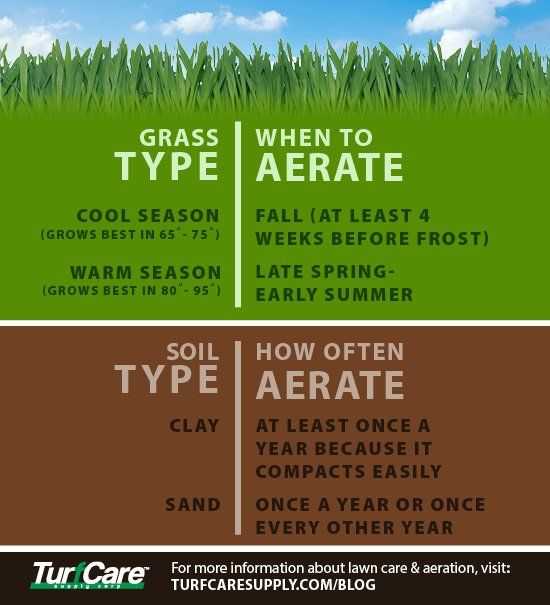
Cool-season grasses, such as Kentucky bluegrass, perennial ryegrass, and tall fescue, thrive in regions with cold winters and hot summers. For these grass types, the ideal time for aeration is in the early spring or fall. Aerate cool-season lawns when the grass is actively growing, but not during periods of stress, such as extreme heat or drought. Aeration performed in the fall encourages deeper root growth and prepares the lawn for the harsh conditions of winter.
2. Warm-Season Grasses
Warm-season grasses like Bermuda grass, Zoysia grass, and St. Augustine grass prefer warmer climates and exhibit peak growth during the summer months. For these grass types, the best time to aerate is late spring or early summer. Aerate warm-season lawns when their growth is at its strongest, ensuring quick recovery and rapid filling of the aeration holes.
3. Transition Zone Grasses
The transition zone refers to regions that experience moderate temperatures and a mix of both warm and cool climates. Lawns in the transition zone can consist of a blend of warm-season and cool-season grasses. Aeration in these areas can be done in both spring and fall, as it allows for enhanced root development and nutrient absorption throughout the year.
Identifying the Need for Aeration
Knowing the best time to aerate your lawn is vital, but it’s equally important to identify signs that indicate your lawn needs aeration. Here are some indicators that your lawn may benefit from aeration:
- Pooling water after rainfall or irrigation
- Excessive thatch buildup (more than half an inch)
- Compacted or heavily trafficked areas
- Poor soil structure
- Slow grass growth or thinning patches
- Water runoff instead of absorption
If you observe any of these signs, it’s a good indication that your lawn would benefit from aeration. Regular aeration, even if not visually needed, can help prevent these issues from occurring in the first place.
The Aeration Process
Now that you know when to aerate your lawn let’s take a closer look at the aeration process itself. There are two primary methods for aerating lawns: manual aeration and mechanical aeration.
Manual Aeration
Manual aeration involves the use of simple handheld tools, such as a garden fork or a manual aerator. This method is suitable for small lawns or specific areas that require attention. It allows you to aerate your lawn without the need for heavy machinery, making it a cost-effective option for homeowners.
Mechanical Aeration
Mechanical aeration, on the other hand, involves the use of specialized machinery, such as a core aerator. This method is more efficient for larger lawns as it covers a larger area in less time. Core aerators remove plugs of soil from the ground, creating the necessary channels for air, water, and nutrients to reach the grassroots.
Regardless of the method you choose, it’s essential to ensure that the soil is moist, but not overly wet when aerating. This helps facilitate the penetration of the aeration tools and creates cleaner aeration holes.
Aftercare for Aerated Lawns
Once you’ve completed the aeration process, proper aftercare is crucial to maximize the benefits and promote healthy lawn growth. Here are some important steps to follow:
- Water the lawn thoroughly to help the soil and grass roots recover.
- Overseed the lawn to fill in any thin or bare areas.
- Apply a top dressing of compost or organic matter to improve the soil structure.
- Fertilize the lawn with a high-quality, slow-release fertilizer to provide essential nutrients.
- Avoid mowing the lawn for a few weeks to allow the grass to establish and recover.
- Maintain a regular watering and mowing schedule to support healthy growth.
Aerating your lawn at the right time is a crucial step in maintaining a healthy and vibrant outdoor space. By understanding the best time to aerate based on your grass type and climate, you can ensure optimal results. Regular aeration, along with proper aftercare, will help your lawn thrive by allowing air, water, and nutrients to reach the grassroots. So, mark your calendar and give your lawn the attention it deserves at the ideal time for aeration. Your efforts will be rewarded with a lush, green carpet of grass that enhances the beauty of your home.
WHEN IS THE BEST TIME TO AERATE YOUR LAWN?
Frequently Asked Questions
When is the best time to aerate a lawn?
The best time to aerate a lawn depends on the type of grass and the climate. However, it is generally recommended to aerate cool-season grasses in the early spring or fall, and warm-season grasses in the late spring or early summer.
How often should I aerate my lawn?
The frequency of lawn aeration depends on various factors, such as soil type, grass type, and level of foot traffic. In general, it is recommended to aerate high-traffic lawns once or twice a year, while less frequently used lawns may only need aeration every two to three years.
What are the benefits of aerating a lawn?
Aerating a lawn can provide multiple benefits. It helps alleviate soil compaction, allowing air, water, and nutrients to reach the grass roots. This promotes stronger root development, improves drainage, and enhances overall grass health and vigor.
Can I aerate my lawn during the summer?
In most cases, it is not recommended to aerate a lawn during the summer, especially during periods of heat stress. Aerating in hot and dry conditions can potentially damage the grass. It is best to wait until the cooler seasons, such as spring or fall, to aerate.
Should I mow before or after aerating my lawn?
It is generally recommended to mow the lawn before aerating. This helps reduce the risk of damaging the mower blades or spreading weed seeds during aeration. Additionally, mowing before aeration allows better access to the soil for effective aeration.
Do I need to water my lawn after aerating?
Watering the lawn after aerating can be beneficial. Irrigation helps the grass roots recover from the aeration process and promotes the movement of nutrients into the soil. However, it is important not to overwater, as it may lead to excessive soil saturation.
Final Thoughts
The best time to aerate a lawn depends on the type of grass and climate conditions. For cool-season grasses, the ideal time is early fall or spring. This allows for the maximum growth potential and helps to establish a strong root system. Warm-season grasses should be aerated during late spring or early summer when they are actively growing. By aerating the lawn, you can improve soil compaction, promote better water and nutrient absorption, and enhance overall turf health. Remember to schedule regular aeration to keep your lawn in top condition.