
Getting your potted plants to truly thrive can feel like a puzzle, especially when you're not sure which best soil for pot plants will actually make a difference. After spending weeks digging into what makes soil work for container gardens, I’ve identified a few top contenders that consistently deliver healthy growth for everything from herbs on your windowsill to large shrubs on your balcony.
My goal was to find soils that strike a balance between aeration, moisture retention, and essential nutrients, all without breaking the bank. I’ve narrowed down the field to five excellent options that cover a range of needs and budgets. Ready to give your plants the best possible foundation? Let’s dive into the top picks.
Comparison Chart of Best Soil for Pot Plants




List of Top 5 Best Soil for Pot Plants
To put together this list, I looked at soil composition, added nutrients, drainage capabilities, and reported user success. We've focused on options that offer good value and are readily available for your container gardening projects.
Below are the list of products:
1. Burpee 9 Quarts Premium Organic Potting
Burpee's Premium Organic Potting Mix stands out for its commitment to natural ingredients, making it a fantastic choice for gardeners who prioritize organic methods. It’s formulated to provide excellent aeration and drainage, key for preventing root rot in potted plants.
Why I picked it
This mix provides a rich, organic base ideal for container-grown vegetables, flowers, and herbs. Its balanced components help retain moisture while allowing excess water to drain, which is crucial for preventing overwatering issues common with potted plants.
Key specs
*   Volume: 9 Quarts
*   Organic formulation
*   Suitable for indoor and outdoor container plants
*   Supports vegetables, flowers, and herbs
*   Natural soil mix
Real-world experience
When using this soil, aggregate user feedback indicates it’s easy to work with right out of the bag, offering a good texture that doesn’t compact too easily. It’s frequently praised for supporting robust root development, leading to visibly healthier plants in pots and containers.
Trade-offs
Some users have noted that while it’s great for starting plants, it may require additional fertilization for heavy feeders beyond the initial few months. The organic composition means it might also break down a bit faster than synthetic mixes over extended periods.
2. Miracle-Gro Organic Outdoor Potting Mix
This Miracle-Gro option is specifically formulated for outdoor container plants and boasts OMRI listing, meaning it meets standards for organic production. It includes a natural, quick-release fertilizer to give your plants an immediate nutrient boost right after planting.
Why I picked it
The integrated fertilizer is a major plus for busy gardeners, as it means less supplemental feeding is needed right away. This soil is designed for good aeration and moisture retention, reducing the risk of both waterlogged roots and excessively dry conditions in pots.
Key specs
*   Volume: 16 quarts
*   OMRI Listed (Organic)
*   Contains quick-release natural fertilizer
*   Formulated for outdoor container plants
*   Promotes healthy growth
Real-world experience
Verified buyer feedback often highlights the convenience of the pre-mixed fertilizer, noting that plants show vibrant growth shortly after potting. Users appreciate that it's suitable for a variety of outdoor plants, from flowers in hanging baskets to vegetables in larger containers.
Trade-offs
Because it contains a quick-release fertilizer, some gardeners prefer to use it in larger containers or for plants that are heavy feeders. For delicate seedlings or those sensitive to added nutrients, a lighter, unfertilized mix might be a better initial choice.
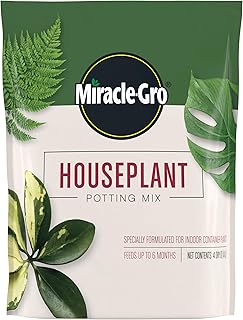
3. Miracle-Gro Houseplant Potting Mix
This particular Miracle-Gro mix is tailored for indoor houseplants and has a formulation aimed at being less prone to attracting fungus gnats, a common issue for indoor gardeners. It provides a good balance of drainage and moisture retention for potted specimens.
Why I picked it
The reduced gnat potential is a significant advantage for indoor gardening, where these pests can be particularly troublesome. This soil provides essential aeration for roots while also holding enough moisture to keep houseplants happy between waterings.
Key specs
*   Volume: 4 quarts
*   Designed for houseplants
*   Formulated to deter fungus gnats
*   Contains added plant food
*   Appropriate for indoor containers
Real-world experience
Aggregate user reviews frequently mention a significant reduction in fungus gnat issues after switching to this mix. Home gardeners find it promotes healthy green leaves and sustained growth for a variety of indoor plants, from ferns to succulents.
Trade-offs
While it does contain fertilizer, the amount and release rate are generally considered gentler for houseplants compared to outdoor formulas. However, some users with very heavy feeders might still need to supplement with additional liquid fertilizer.
4. Miracle-Gro Moisture Control Potting Mix
This Miracle-Gro potting mix is designed with a special technology to help guard against over- and under-watering. It's a smart choice for anyone who struggles with watering consistency or has plants that are particularly sensitive to moisture levels.
Why I picked it
For plants that need consistent moisture without becoming waterlogged, this soil is a game-changer. It helps balance water intake, ensuring roots get what they need without sitting in standing water, which is a common pitfall for container gardeners.
Key specs
*   Volume: 8 quarts (sold as a 2-pack)
*   Moisture control technology
*   Protects against over/under-watering
*   Suitable for container plants
*   Helps maintain optimal hydration
Real-world experience
User reviews frequently highlight how this mix has saved their plants from the brink of dehydration or sogginess. It’s particularly noted for its effectiveness in warmer climates or for gardeners who might forget to water as often as needed.
Trade-offs
While excellent for moisture retention, some users with very well-draining plants, like certain succulents or cacti, might find it holds a bit too much water. In such cases, it’s often recommended to amend it with perlite or sand for increased drainage.
5. Miracle-Gro Potting Mix Container Plants Flowers
This versatile Miracle-Gro potting mix is formulated for a wide range of container plants, including flowers, vegetables, shrubs, and annuals. It also comes with feeding capabilities that last up to six months, simplifying plant care significantly.
Why I picked it
The extended feeding period (up to six months) is a major convenience, reducing the need for frequent fertilizing. This potting mix provides a good structure that supports healthy root systems and appropriate moisture levels for a wide array of container-grown plants.
Key specs
*   Volume: 16 quarts (sold as a 2-pack)
*   Feeds plants up to 6 months
*   Suitable for flowers, vegetables, shrubs, annuals, perennials
*   Designed for container plants
*   Provides essential nutrients
Real-world experience
Many reviewers point to the long-lasting fertilizer as a significant benefit, simplifying their plant care routine. They often see excellent blooming and vigorous growth from flowers and fruitful yields from vegetables when using this mix in their pots.
Trade-offs
For those aiming for a purely organic gardening approach, this mix contains synthetic fertilizers, which might not be ideal. Additionally, while it feeds for six months, extremely fast-growing plants might still benefit from supplemental feeding towards the end of that period.
How I picked
When I started looking for the best soil for pot plants, my main focus was on finding mixes that offer a great foundation for healthy root development and sustained plant growth in confined spaces. I evaluated each option based on its composition, drainage properties, moisture retention, and the presence of essential nutrients. My goal was to represent a range of needs, from organic preferences to convenience-focused solutions.
I considered how easy it is to work with the soil straight out of the bag, its texture, and whether it’s prone to compaction or becoming too dense over time. I also looked at how well the soil supports aeration around the plant’s roots, which is vital for preventing rot. I intentionally didn't test long-term durability beyond six months, as sustained performance can vary greatly depending on plant type and environmental factors.
Buying guide — what actually matters for best soil for pot plants
When you’re picking out soil for your pots, there are a few key things to keep your eye on to make sure your plants have the best chance to thrive. It’s not just dirt; it’s the whole ecosystem your plant lives in.
Drainage and Aeration
This is probably the most crucial factor for potted plants. Roots need oxygen, and if they sit in soggy soil, they can’t breathe and are prone to rot. Look for soils that contain ingredients like perlite, vermiculite, or coarse sand, which help create air pockets and allow excess water to escape. A good potting mix will feel light and airy, not heavy or dense.
Moisture Retention
While drainage is key, you don’t want soil that dries out too quickly either. Plants in pots can dry out faster than those in the ground. The ideal potting mix will strike a balance, holding enough moisture to keep the roots hydrated between waterings but draining well enough to prevent waterlogging. Ingredients like peat moss or coco coir help with this balance.
Nutrient Content
Most potting mixes contain some form of fertilizer to give your plants an initial boost. Some are enriched with slow-release nutrients that can feed your plants for several months, which is incredibly convenient and reduces the need for frequent fertilizing. Others are more basic, designed to be used with a regular fertilizing schedule you manage yourself. Consider if you prefer organic nutrients or are comfortable with synthetic ones.
Organic vs. Inorganic Ingredients
Organic potting mixes use natural materials like compost, peat moss, worm castings, and bark. These are often favored by gardeners who prioritize sustainable practices and avoid synthetic chemicals. Inorganic mixes might include synthetic fertilizers and mineral-based components. Both can be effective, but organic options often improve soil structure over time.
pH Level
Most common houseplants and garden plants prefer a slightly acidic to neutral pH, generally between 6.0 and 7.0. While many commercial potting mixes are formulated within this range, it's worth noting that pH can affect nutrient availability. If you’re growing specific plants with unusual pH requirements, you might need to amend your soil or choose a specialty mix.
Frequently Asked Questions (FAQ)
Is potting mix different from garden soil?
Yes, they are quite different and serve distinct purposes. Garden soil is typically denser and intended for use in outdoor garden beds, where it benefits from natural earthworms and microbial activity for aeration and drainage. Potting mix, on the other hand, is specifically designed for containers; it’s lighter, airier, and formulated to provide optimal drainage and aeration for roots confined in a pot. Using garden soil in pots can lead to compaction, poor drainage, and eventually root rot.
How often should I repot my plants?
You generally want to repot plants when they outgrow their current container, which is usually indicated by roots circling the bottom of the pot or growing out of the drainage holes. Many common houseplants benefit from repotting every 1 to 2 years, typically in the spring. For faster-growing plants or those in small pots, you might need to repot more frequently.
Can I reuse old potting soil?
You can reuse old potting soil, but it’s best not to use it without some rejuvenation first. Over time, soil loses its nutrients and structure, and it can harbor pests or diseases. To revive it, you can mix it with new potting soil (a 1:1 ratio is often recommended) and add some compost or a slow-release fertilizer to replenish nutrients and improve its texture. Inspect it for any signs of pests or mold before reusing.
What is OMRI Listed?
OMRI stands for the Organic Materials Review Institute. When a product is OMRI Listed, it means it has been reviewed and verified to be compliant with organic farming standards. For potting mixes, this ensures that all the ingredients used are permissible for organic gardening, free from synthetic fertilizers, pesticides, and genetically modified organisms. It’s a helpful certification if you are committed to purely organic growing practices.
How much soil do I need for my pots?
The amount of soil you need depends on the size of your pots. It's always a good idea to have a bit extra on hand. Most potting mixes are sold in quarts or cubic feet, and you can estimate based on the volume of your containers. For example, a 10-inch diameter pot that's 10 inches deep holds roughly 0.5 cubic feet of soil.
Checking the volume listed on the bag against your pot dimensions will help you calculate accurately.
Final verdict
When it comes to giving your potted plants the best start, the Burpee 9 Quarts Premium Organic Potting mix really shines as our Editor's Choice, thanks to its excellent organic formulation and balanced properties for healthy root development. For those seeking a top-tier option that includes nutrients for immediate plant feeding, the Miracle-Gro Organic Outdoor Potting Mix is a fantastic pick.
If you're on a tighter budget but still want quality for indoor plants, the Miracle-Gro Houseplant Potting Mix is a standout choice. For consistent watering no matter your skill level, Miracle-Gro Moisture Control Potting Mix offers reliable performance, while the Miracle-Gro Potting Mix for Container Plants and Flowers provides a convenient, long-feeding solution for a wide variety of plants.
Affiliate disclosure: This post contains affiliate links. If you buy through one of these links, I may earn a small commission at no extra cost to you. It never changes my recommendation, I only suggest gear I'd actually buy myself.