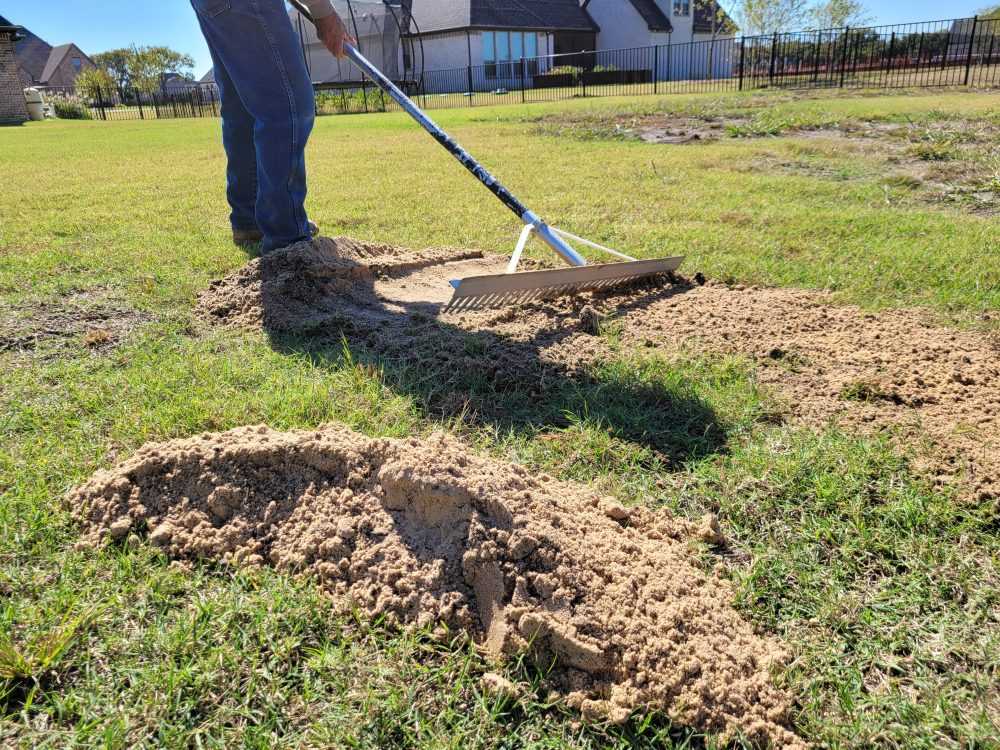
The best soil for lawn leveling is a mixture of topsoil and sand. Achieving a level lawn can be a challenging task, but with the right soil, it becomes much easier. The quality of the soil plays a crucial role in the overall health and appearance of your lawn. Using topsoil mixed with sand provides the perfect combination that allows for proper drainage while also providing a solid foundation for your lawn. This mixture helps to even out any uneven areas and creates a smooth surface for mowing and other activities. By using this soil combination, you can ensure that water does not accumulate on your lawn, preventing issues such as waterlogging or the formation of puddles. So, let’s dive deeper into the importance of soil for lawn leveling and why this particular combination is so effective.

Best Soil for Lawn Leveling
Introduction
Having a well-leveled lawn is essential for its overall appearance and health. Uneven or bumpy lawns can be unsightly, create hazards, and make maintenance tasks more difficult. To achieve a smooth and level lawn, it is crucial to choose the right soil for lawn leveling. In this article, we will explore the best soil options and provide you with comprehensive information to help you make an informed decision.
The Importance of Soil for Lawn Leveling
The soil composition plays a vital role in leveling your lawn effectively. Choosing the best soil will ensure that your lawn grows evenly, minimizes the risk of drainage issues, promotes root development, and prevents future soil settlement. Here are some key considerations when selecting soil for lawn leveling:
1. Texture
The texture of the soil is an important factor to consider. Opt for a soil with a balanced mixture of sand, silt, and clay. Sandy soils drain quickly but may not retain enough moisture for healthy turf growth. Clay soils, on the other hand, hold more water but can become compacted easily. A soil with a loamy texture, combining these elements, is generally the best choice for leveling lawns.
2. Organic Matter
Adding organic matter to the soil can greatly improve its overall structure and fertility. Organic matter, such as compost or well-rotted manure, improves drainage in clay soils and enhances water-holding capacity in sandy soils. It also provides essential nutrients for the grass, promoting healthy growth and resilience.
3. Soil pH
The pH level of the soil can influence the availability of nutrients to the grass. Most turf grasses prefer a slightly acidic to neutral pH range (between 6.0 and 7.0). Testing your soil’s pH can help you determine if amendments are needed to create an ideal growing environment for your lawn.
Best Soil Options for Lawn Leveling
1. Topsoil
Topsoil is the uppermost layer of soil and is typically rich in organic matter. It is ideal for leveling lawns as it provides a good substrate for grass to establish its roots. Look for premium-quality topsoil that is weed-free, well-draining, and screened to remove any large debris. Spread a layer of topsoil over uneven areas and use a rake or leveling tool to even it out.
2. Lawn Dressing or Sandy Loam
Lawn dressing, also known as sandy loam, is a mixture of sand, loam, and peat. It is specifically formulated for lawn leveling purposes. Sandy loam provides excellent drainage while retaining adequate moisture for healthy turf growth. It is easy to work with and can be applied as a top dressing to smooth out any unevenness in your lawn.
3. Compost
Compost is a valuable soil amendment that not only helps level your lawn but also enhances its overall health. Incorporating compost into the soil improves its structure, increases nutrient availability, and encourages beneficial microbial activity. Mix compost with topsoil or sandy loam to create a leveling mixture that promotes healthy grass growth.
4. Manufactured Lawn Leveling Mix
Manufactured lawn leveling mixes are designed specifically for the purpose of lawn leveling. These mixes are usually a blend of sand, topsoil, and compost. They provide a consistent texture and are free from contaminants such as weeds or disease-causing organisms. Using a manufactured leveling mix can save you time and effort in achieving a smooth and level lawn.
Applying Soil for Lawn Leveling
Now that you have chosen the best soil for leveling your lawn, it’s important to know how to apply it correctly. Follow these steps for effective soil application:
1. Prepare the Lawn
Start by mowing your lawn to a low height to make the leveling process easier. Remove any debris, rocks, or weeds that may interfere with the leveling process.
2. Fill Low Spots
Identify the areas of your lawn that need leveling and determine the depth of the low spots. Use a shovel or garden rake to add the soil mixture gradually, filling the depressions. Avoid adding too much soil at once to prevent suffocating the existing grass.
3. Spread and Level
Spread the soil mixture evenly over the low spots using a rake or leveling tool. Gradually work the soil into the existing lawn, ensuring a smooth and level surface. Pay extra attention to transition areas, such as those between the leveled and un-leveled sections.
4. Water and Settle
After leveling, water the area thoroughly to help the soil settle and bond with the existing turf. This will promote root growth and ensure that the soil settles evenly. Monitor the area for a few days and repeat the process if necessary.
Achieving a level lawn requires the right soil for the job. By choosing the best soil options and following the correct application techniques, you can transform your uneven lawn into a beautifully leveled and healthy space. Remember to consider the texture, organic matter content, and pH level of the soil when making your selection. With the right soil and proper application, you’ll be well on your way to enjoying a perfectly leveled lawn.
Best Soil Mix For Lawn Leveling I'VE Ever Used
Frequently Asked Questions
What is the best soil for lawn leveling?
The best soil for lawn leveling is a mixture of topsoil and sand. This combination allows for proper drainage while providing enough nutrients for healthy grass growth.
Why is it important to use the right soil for lawn leveling?
Using the right soil for lawn leveling ensures a smooth and even surface, which not only enhances the appearance of your lawn but also promotes better water drainage and prevents water from pooling in certain areas.
Can I use regular garden soil for lawn leveling?
No, regular garden soil is not suitable for lawn leveling as it may contain too much clay or organic matter, which can lead to poor drainage and uneven turf. It is important to use a soil mixture specifically designed for leveling purposes.
Where can I find the best soil for lawn leveling?
You can find the best soil for lawn leveling at local garden centers, nurseries, or landscaping supply stores. They typically carry specialized soil mixes that are formulated for proper leveling and turf establishment.
How deep should I apply the soil when leveling my lawn?
The depth of soil required for lawn leveling depends on the severity of the unevenness. In general, it is recommended to apply a layer of soil that is about ½ to 1 inch thick. However, it is important not to bury the grass blades completely as they still need access to sunlight for photosynthesis.
Is it necessary to add additional amendments to the soil when leveling a lawn?
In some cases, it may be beneficial to add soil amendments such as compost or peat moss to improve the overall quality of the soil. However, when it comes to leveling, it is crucial to focus on using the right soil mixture with the correct texture and drainage properties rather than relying solely on amendments.
Final Thoughts
The best soil for lawn leveling is crucial for achieving a smooth and even yard. Clay-based soil with good drainage and high organic matter content is ideal for this purpose. Sandy loam and topsoil are also suitable options due to their ability to retain moisture while allowing excess water to drain properly. When selecting soil, ensure it is free from weeds, debris, and large stones to prevent future problems. Additionally, regularly aerating and amending the soil will help maintain a healthy and level lawn. Remember, the key to a beautiful yard starts with the best soil for lawn leveling.