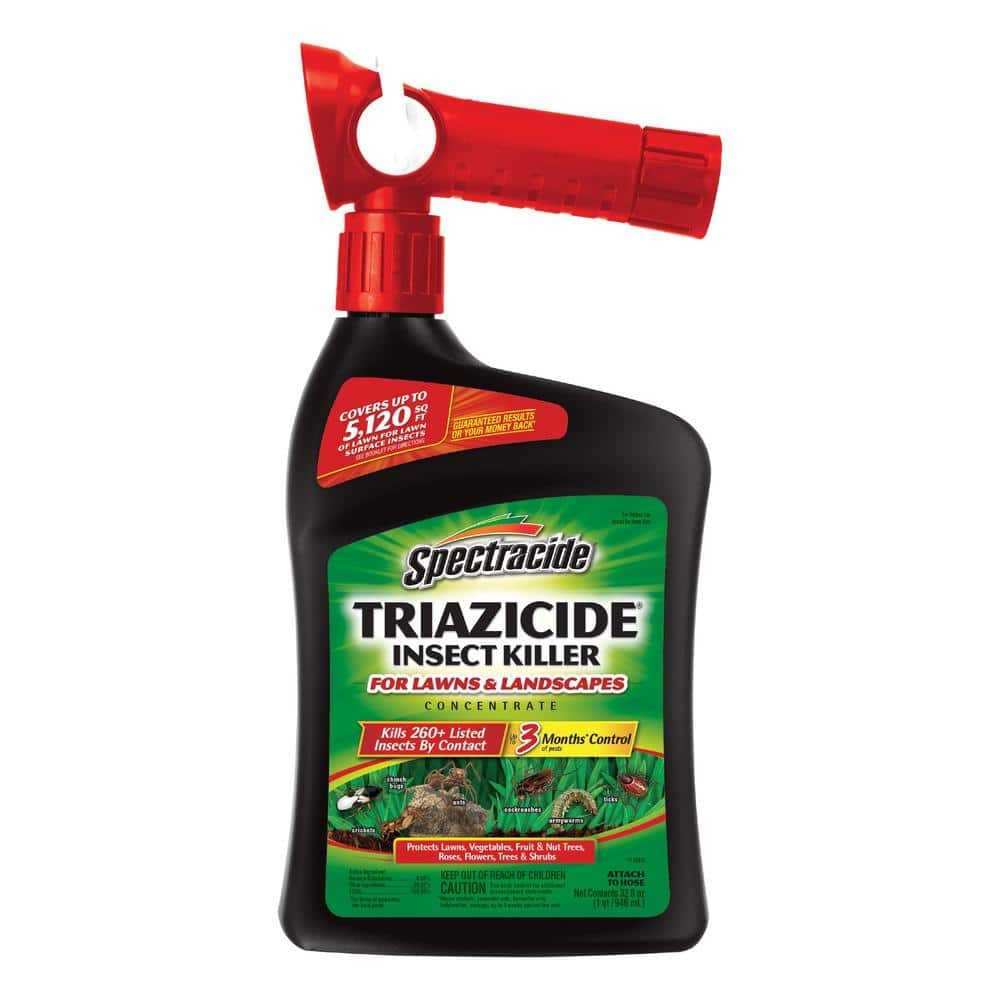
Looking for the ultimate solution to keep your lawn pest-free and lush? The best lawn pest spray effectively targets various insects while being safe for your grass and family. With so many options out there, choosing the right one can be overwhelming, but finding an effective pest spray is crucial for maintaining a healthy, beautiful yard.
The best lawn pest spray depends on the pests you’re dealing with, but generally, a broad-spectrum insecticide containing active ingredients like pyrethroids or neem oil is highly effective. Always opt for a product that is eco-friendly and safe for children and pets to ensure your lawn remains vibrant and pest-free.
A pest-free lawn not only looks great but also promotes healthier grass growth. To achieve this, select a lawn pest spray tailored to your specific needs, follow the application instructions carefully, and incorporate regular lawn maintenance. This way, you’ll enjoy a vibrant, pest-free yard all season long.

Best Lawn Pest Spray: Your Guide to a Pest-Free Lawn
Understanding the Need for Lawn Pest Sprays
Lawn pests can quickly damage your grass and plants if not controlled promptly. They can cause brown patches, chewed leaves, and even kill your grass in severe cases. A good lawn pest spray helps keep these pests under control, maintaining a healthy and lush yard.
Common Lawn Pests and Their Symptoms
- Grubs: White larvae found in the soil, causing grass to die and turn brown.
- Chinch Bugs: Small insects that suck plant juices, resulting in yellow patches.
- Armyworms: Caterpillars that chew through grass blades, creating ragged patches.
- Sod Webworms: Larvae that feed on grass, leading to thinning turf.
- Mole Crickets: Insects that tunnel underground, disrupting root systems.
Recognizing these pests early helps in selecting the right spray and treatment method.
Types of Lawn Pest Sprays
There are different kinds of pest sprays available, each suitable for specific pests. Knowing their differences helps in choosing the most effective solution.
Insecticidal Sprays
These sprays target a wide range of insects like chinch bugs and armyworms. They contain active ingredients that kill pests on contact and through residual action.
Natural and Organic Sprays
Made from natural ingredients such as neem oil or insecticidal soaps, these sprays are safer for pets, children, and beneficial insects. They work slower but are environmentally friendly.
Granular Pest Treatments
Granular products are spread across the lawn and watered in, providing a slow-release pest control. They are effective against soil-dwelling pests like grubs.
Best Active Ingredients in Lawn Pest Sprays
Understanding key ingredients helps in selecting the most effective product.
- Imidacloprid: A systemic insecticide targeting many pests, especially grubs and beetles.
- Pyrethroids: Fast-acting chemicals that kill a broad spectrum of insects rapidly.
- Neem Oil: A natural insecticide that disrupts pest feeding and reproduction.
- Insecticidal Soaps: Gentle options that suffocate soft-bodied pests like aphids.
Choosing a spray with an active ingredient suited to your specific pests improves success rates.
How to Apply Lawn Pest Spray Effectively
Proper application maximizes pest control and minimizes chemical use.
Timing Your Spray
Apply sprays early in the morning or late in the evening when pests are active. Avoid hot midday hours to prevent spray evaporation.
Preparation Before Spraying
Test the spray on a small lawn area first. Clear debris and mow your grass to allow better penetration.
Application Techniques
Use a garden sprayer to ensure even coverage. Focus on infested areas but spray the entire lawn for overall protection.
Safety Tips During Application
Wear gloves and protective gear. Keep children and pets away until the spray dries fully.
Environmental Considerations and Safety
Using pest sprays responsibly helps protect beneficial insects and the environment.
- Choose organic or low-toxicity products whenever possible.
- Avoid spraying before heavy rain to prevent runoff.
- Dispose of leftover spray properly, following label instructions.
- Limit application frequency to prevent pest resistance.
Always read and follow the label instructions for safety and effectiveness.
Integrated Pest Management (IPM) Approach
Combine pesticide use with cultural practices for a healthier lawn.
- Maintain proper mowing heights to discourage pests.
- Water deeply but infrequently to strengthen grass and reduce pest habitat.
- Reduce thatch buildup by aerating your lawn regularly.
- Handpick pests when possible for a chemical-free control method.
This holistic approach reduces dependence on chemicals and promotes lawn health.
Comparing Popular Lawn Pest Sprays
Here’s a quick comparison of some highly-rated products:
| Product Name | Active Ingredient | Pest Targets | Type | Price Range |
|---|---|---|---|---|
| Ortho Bug B Gon | Bifenthrin | Multiple insects including beetles, ants, and ticks | Insecticide spray | $$ |
| EcoSMART Organic Pest Control | Neem Oil | Broad insect spectrum including aphids and mites | Organic spray | $$ |
| Bonide Lawn Bug and Grub Control | Imidacloprid | Grubs, beetles | Granular | $$ |
| Safer Brand Insecticidal Soap | Potassium salts of fatty acids | Soft-bodied pests | Organic spray | $ |
Additional Tips for a Pest-Free Lawn
Beyond spraying, consider these practices to keep pests away.
- Regularly inspect your lawn for early pest signs.
- Apply fertilizers carefully to avoid encouraging pest populations.
- Introduce beneficial insects like ladybugs to naturally control pests.
Consistent lawn care reduces pest infestations and promotes healthy turf growth.
Summary and Final Advice
Choosing the **best lawn pest spray** involves understanding your pests, selecting the right product, and applying it carefully. Combining chemical control with good lawn practices is most effective. Always prioritize safety and environmental health in your pest management efforts.
How to Use Spectracide Triazicide for Insect Control
Frequently Asked Questions
What ingredients should I look for in an effective lawn pest spray?
An effective lawn pest spray should contain active ingredients like pyrethroids, neem oil, or insecticidal soaps. These ingredients target a wide range of pests and are safe for most grass types when used as directed. Always choose a product with proven efficacy and follow the manufacturer’s instructions for application to ensure safety and maximum results.
How often should I apply a lawn pest spray to keep pests under control?
You should typically apply lawn pest spray every 2 to 4 weeks during peak pest activity. Monitor your lawn regularly to identify early signs of pests, and reapply as necessary. Over-application can harm beneficial insects and your lawn, so follow the recommended schedule to maintain a healthy, pest-free yard.
Can I use lawn pest spray on all types of grass and plants?
Most lawn pest sprays are formulated to be safe for common grass types, but some products may not suit all plant varieties. Always check the label for compatibility, and test a small area first if you’re unsure. Avoid using sprays on desirable flowering plants or nearby garden vegetables unless specifically designed for such use.
Are there environmentally friendly options for pest control in lawns?
Yes, many eco-friendly lawn pest control options are available, including organic sprays with neem oil or insecticidal soaps. These products tend to have lower environmental impacts and are safe for pets and children when used according to instructions. Regular lawn maintenance and beneficial insect introduction can also help control pests sustainably.
What common pests can a lawn pest spray effectively manage?
Most lawn pest sprays target pests like grubs, armyworms, chinch bugs, and fleas. When selecting a product, check the label to ensure it covers your specific pest problem. Proper identification of pests in your lawn helps choose the right spray for effective control.
Final Thoughts
Choosing the best lawn pest spray is essential for maintaining a healthy, vibrant yard. A reliable product effectively targets pests while being safe for your grass and surrounding environment. Regular application keeps infestations under control, ensuring your lawn stays lush and pest-free. Ultimately, selecting the best lawn pest spray makes gardening easier and results in a more beautiful outdoor space.