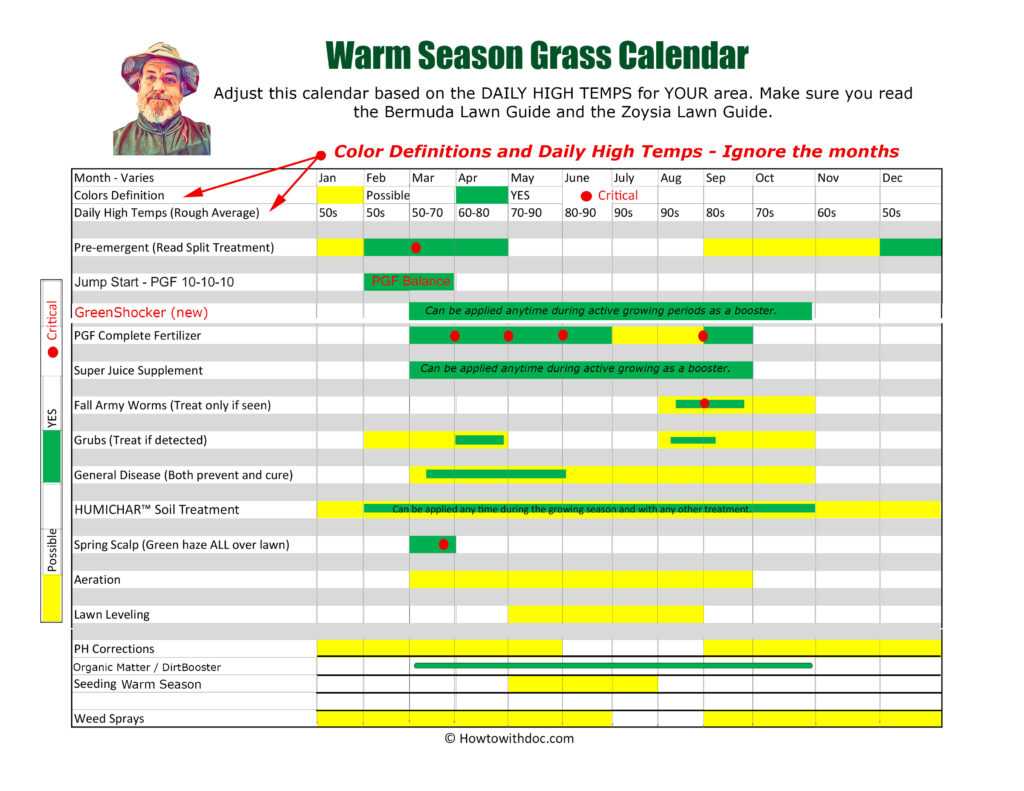
To keep Bermuda grass lush and free of weeds, a balanced weed and feed schedule is essential—applying the right products at the right times will transform your lawn. For best results, feed your Bermuda grass during peak growing seasons and treat weeds early before they spread. Regularly mowing and watering also help maintain health and control weeds effectively.
In short, the key to a healthy Bermuda grass lawn is applying weed and feed products during spring and summer, when the grass actively grows, while carefully timing weed control to prevent invasive species from taking hold. Consistent maintenance, including proper mowing and watering, complements these treatments for a thriving lawn.
Starting with a vibrant, weed-free Bermuda grass lawn might seem challenging, but with a strategic weed and feed schedule, it becomes manageable and rewarding. Bermuda grass is a warm-season variety that responds well to targeted fertilization and weed control, especially during its peak growth period in late spring through summer. Timing is everything—applying weed control in early spring to get rid of pesky weeds and feeding during the warmer months helps promote rapid, healthy growth. Regular inspections and adjustments to your schedule ensure your lawn stays lush, green, and free of unwanted invaders. Remember, patience and consistency are your best allies in cultivating a beautiful Bermuda grass yard.

Bermuda Grass Weed and Feed Schedule
Understanding Bermuda Grass and Its Growing Cycle
Bermuda grass is a popular warm-season grass known for its durability and lush appearance. It thrives during the summer months but becomes dormant in cooler weather. To keep your Bermuda grass healthy, it is essential to understand its growth cycle and how it reacts to different treatments. During peak growth in late spring and summer, the grass needs ample nutrients and weed control. As temperatures decrease in fall and winter, fertilizer and weed control should be adjusted accordingly. Knowing these stages helps in planning an effective weed and feed schedule.
Why a Weed and Feed Schedule Is Important
A proper schedule ensures Bermuda grass remains free of weeds while receiving the nutrients it needs. Weeds can compete with grass for water, nutrients, and sunlight, leading to thin, unhealthy patches. Applying weed control at the right time prevents weeds from establishing deep roots. Simultaneously, feeding promotes strong growth, vibrant color, and overall lawn health. Regular treatments prevent small problems from turning into major damage.
Timing for Applying Weed and Feed Products
Getting the timing right is crucial for effective weed and feed application. Generally, the best time to treat Bermuda grass is during its active growth period when the grass is green and growing vigorously. This typically occurs from late spring through summer. Applying too early in spring, before weeds emerge, or too late in fall, when grass is going dormant, reduces effectiveness. Monitoring local temperatures and weed activity guides optimal application periods.
Early Spring
In early spring, when the soil warms to around 55°F to 65°F, it’s time to prepare for weed and feed. This is suitable for pre-emergent weed control to prevent weed seeds from germinating. Applying fertilizer at this stage also helps grass recover from winter dormancy and encourages vigorous growth.
Late Spring to Early Summer
As Bermuda grass begins active growth, applying a weed and feed product becomes effective. Use a balanced fertilizer combined with selective weed killers targeting broadleaf weeds and turfgrass weeds. Ensure the weather forecast predicts rain or plan to water the lawn afterward for proper absorption.
Mid to Late Summer
During the peak growing season, continue with targeted fertilization and weed control. Summer heat encourages strong turf development. Use slow-release fertilizers to sustain growth over time. This period also offers an opportunity to control stubborn weeds like crabgrass and spurge with specific post-emergent products.
Fall
In early fall, reduce feeding frequency but continue to apply weed control to prevent cool-season weeds from taking hold. Use a fertilizer with higher potassium content to promote root development and prepare the grass for winter dormancy. Avoid heavy feeding late in fall, as Bermuda grass begins to slow down.
Choosing the Right Products for Bermuda Grass
Selecting appropriate weed and feed products ensures effectiveness and safety for Bermuda grass. Always read labels for compatibility, application timing, and dosage instructions. Look for products labeled specifically for Bermuda grass or warm-season grasses for best results.
Types of Fertilizers
- Slow-Release Fertilizers: Provide nutrients over an extended period, reducing the risk of burn and promoting consistent growth.
- Spray or Granular Fertilizers: Choose based on lawn size and personal preference. Granular options are easy to apply and store.
Weed Control Options
- Pre-Emergent Herbicides: Prevent weed seeds from germinating, ideal in early spring.
- Post-Emergent Herbicides: Target existing weeds during active growth, used in late spring and summer.
- Selective Herbicides: Kill weeds without harming Bermuda grass, essential for maintaining lawn health.
Application Tips for Best Results
Proper application enhances the effectiveness of weed and feed treatments. Always follow label instructions carefully. Use a broadcast spreader for granular products and a spray bottle or tank for liquid formulations.
Preparation and Timing
Ensure the lawn is moist before application to improve absorption. Avoid applying during rain or in extreme heat, which can cause evaporation or grass stress. Wait at least 24 hours after rain-free conditions before applying products.
Technique and Coverage
Apply evenly across the entire lawn, avoiding overlaps that may cause burning. For accuracy, calibrate your spreader or sprayer based on the product recommendations. Cover all areas uniformly to prevent patches of untreated weed or fertilizer.
Monitoring and Adjusting Your Schedule
Regularly inspect your Bermuda grass to assess the effectiveness of treatments. Look for new weed growth or signs of nutrient deficiency like yellowing or thinning grass. Based on observations, adjust fertilization and weed control timings.
Signs of Over-application
Watch out for brown patches or grass stress, which indicate over-fertilizing or excessive herbicide use. If detected, water the lawn thoroughly and avoid further treatment until recovery.
Signs of Under-application
Persistent weeds or dull grass color suggest treatments may be insufficient or too late in the season. Reapply according to schedule, but always within the product’s safety limits.
Additional Tips for a Healthy Bermuda Grass Lawn
To complement your weed and feed schedule, incorporate regular mowing, watering, and aeration. Proper mowing height, around 1.5 to 2 inches, encourages dense growth that is resistant to weeds. Deep watering once a week maintains root health, especially during hot weather.
Preventing Weeds Naturally
Use thick, healthy Bermuda grass to shade out weeds naturally. Maintain proper lawn density and remove weeds manually when they first appear to reduce chemical dependence.
Seasonal Maintenance Strategies
Develop a tailored schedule that aligns with your local climate and Bermuda grass variety. Keep a calendar of treatments and mark weather forecasts to optimize application timing.
A well-planned Bermuda grass weed and feed schedule is key to maintaining a lush, healthy lawn. Timing treatments correctly during the growing season maximizes weed control and promotes vigorous grass development. Combining proper product choice, application techniques, and regular monitoring ensures your Bermuda grass remains resilient and attractive year-round.
Bermuda Lawn Care – 5 Basics – For A Nice Green Lawn – Beginners Start Here!
Frequently Asked Questions
How can I identify the best time to apply weed and feed for Bermuda grass?
The optimal time to apply weed and feed on Bermuda grass is during the active growing season, typically in late spring or early summer when the grass has fully recovered from any winter dormancy. It’s best to wait until the grass is about 50% green and actively growing to ensure the nutrients and herbicides work effectively. Avoid applying during periods of stress, such as drought or extreme heat, to prevent damage to your lawn.
What are the signs that indicate it is time to reapply weed and feed on Bermuda grass?
You should consider reapplying weed and feed if you notice persistent weed growth despite the initial treatment or if the lawn’s health begins to decline. Additionally, if weeds begin to reappear after a few weeks and the grass shows signs of nutrient deficiency like yellowing or thinning, it’s a good indicator to apply another round. Always follow the product’s label instructions to avoid over-application.
Can I use weed and feed products more than once in the same season for Bermuda grass?
While some products allow multiple applications during a season, you should always check the manufacturer’s guidelines to avoid overuse. Typically, applying weed and feed up to twice per growing season provides effective weed control and fertilization without risking damage to the grass. Make sure to space applications at least four to six weeks apart and avoid applying during extreme weather conditions to prevent stress to your lawn.
What should I do if I notice damage to my Bermuda grass after applying weed and feed?
If your Bermuda grass shows signs of damage after applying weed and feed, such as browning or patchiness, rinse the area with water to dilute any residual chemicals. Avoid further applications until the grass recovers. It’s important to follow the product instructions carefully and to conduct a patch test on a small section before treating the entire lawn to prevent potential harm in future applications.
Final Thoughts
A well-planned Bermuda grass weed and feed schedule helps maintain a healthy, lush lawn. Timing is key; apply fertilizer in spring and late summer for best results. Regular treatments prevent weeds and promote vigorous growth.
Consistent care ensures your Bermuda grass stays vibrant and resilient. Following a proper schedule maximizes your lawn’s health and appearance. Stick to these guidelines to enjoy a beautiful yard year-round.