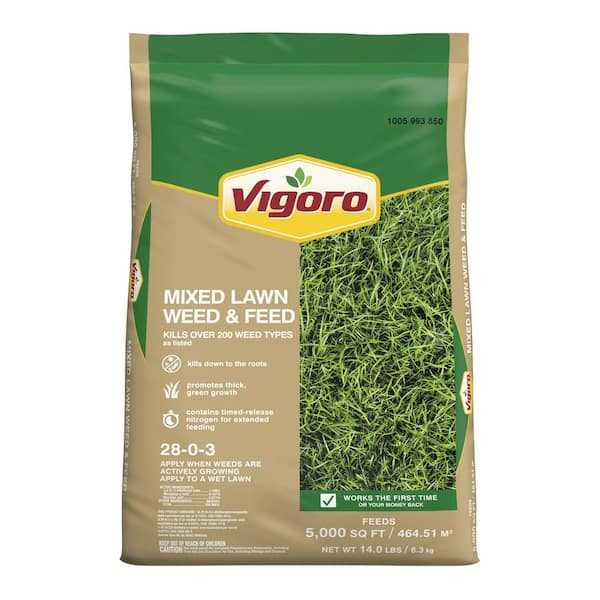
If you’re battling stubborn weeds in your Bermuda grass lawn, using a weed and feed fertilizer can be a game-changer. It effectively targets weeds while nourishing your grass at the same time, giving you a lush, healthy lawn. For best results, apply it during active growth periods, typically in spring and early summer, and always follow the manufacturer’s instructions.
In brief, Bermuda grass weed and feed fertilizers combine weed control chemicals with essential nutrients to simultaneously eliminate weeds and feed your lawn. They’re designed to improve turf health and reduce weed competition, making your yard look vibrant and uniform. Proper timing and application are key to maximizing their effectiveness without harming your grass.
Bermuda grass is a popular warm-season turf, prized for its durability and dense growth. However, weeds like crabgrass, dallisgrass, and annual grasses can quickly invade and ruin its pristine appearance. The challenge lies in controlling these unwanted plants while keeping your Bermuda thriving. That’s where a specialized weed and feed fertilizer comes in. It provides a convenient, integrated approach to lawn care, targeting weeds at their root while boosting grass growth. When used correctly, it can transform a weed-infested, patchy lawn into a verdant, uniform stretch of green. Just remember, timing and proper application are crucial to get the best results and maintain a healthy Bermuda grass lawn year-round.

Bermuda Grass Weed and Feed Fertilizer: Everything You Need to Know
Understanding Bermuda Grass and Its Growing Needs
Bermuda grass is a popular warm-season turfgrass known for its heat tolerance and dense, lush growth. It thrives in areas with plenty of sunlight and warm temperatures during the summer months. To keep Bermuda grass healthy, you need to provide it with the right nutrients and control weed growth effectively.
Proper fertilization helps Bermuda grass develop strong roots and vibrant green color. This type of grass responds well to nitrogen-rich fertilizers, which promote rapid growth. Knowing how to fertilize correctly can improve the overall appearance of your lawn and its resistance to weeds and pests.
What Is Weed and Feed Fertilizer?
Weed and feed fertilizer is a combined product designed to nourish your grass while killing weeds simultaneously. These fertilizers contain nutrients like nitrogen, phosphorus, and potassium to support healthy turf. Simultaneously, they include herbicides that target common weeds invading your Bermuda grass lawn.
Using weed and feed fertilizers saves time and effort, as you only need to apply one product instead of separate treatments for feeding and weed control. They are ideal for homeowners seeking a simple, effective way to manage their lawns.
Why Use Weed and Feed Fertilizer on Bermuda Grass?
Applying weed and feed fertilizer on Bermuda grass offers several benefits. First, it promotes vigorous growth, making the grass more resilient against weeds. Second, the herbicide component helps eliminate or prevent common weeds like crabgrass, dallisgrass, and dollarweed.
Regular use of these fertilizers can improve the aesthetic appeal of your lawn. They also help maintain optimal turf density, which naturally crowds out weeds. Using a specialized product designed for Bermuda grass ensures you don’t damage your grass while controlling unwanted plants.
Choosing the Right Bermuda Grass Weed and Feed Fertilizer
Selecting the proper product requires understanding your lawn’s needs and weed problems. Look for fertilizers formulated specifically for Bermuda grass, as some products are better suited for certain grass types.
Key factors include:
- Slow-release versus quick-release nitrogen
- Herbicide type—selective or non-selective
- Application timing based on season and weed life cycle
Check the label to see if the product targets specific weeds present in your lawn. Also, confirm that it contains the appropriate nutrients to support Bermuda grass growth.
Popular Ingredients in Bermuda Grass Weed and Feed Fertilizers
Most products include a mix of nutrients and weed control agents. Common ingredients are:
- Nitrogen: Promotes leaf growth and vibrant color
- Phosphorus: Supports root development
- Potassium: Improves overall plant health and stress resistance
- Herbicides: Such as 2,4-D, dicamba, or MCPP to target specific weeds
Choosing a fertilizer with the right combination can lead to better lawn health and more effective weed control.
Application Timing and Techniques
Timing your application is crucial for achieving the best results. Generally, apply weed and feed fertilizers during the active growing season of Bermuda grass, typically late spring or early summer.
Avoid applying during extreme heat or drought conditions, as this can stress the grass. Use a broadcast spreader for even distribution, ensuring coverage of the entire lawn. For spot treating weeds, a hand-held spray may be more precise.
Step-by-Step Application Process
- Read the product label carefully to determine the correct amount to use.
- Make sure your lawn is dry before applying to maximize absorption.
- Apply the fertilizer evenly across your lawn using a broadcast spreader.
- Water the lawn lightly after application to activate the herbicides and nutrients.
- Avoid mowing for at least 24 hours after application to prevent disrupting the treatment.
Following these steps ensures safe and effective application, minimizing any risk to your Bermuda grass.
Potential Challenges and Solutions
While weed and feed fertilizers are easy to use, some issues may arise. Overapplication can damage your Bermuda grass or lead to runoff pollution. Always follow the recommended rates and timings.
Weed struggles may persist if weeds are resistant or if the product isn’t suited for specific weeds. In such cases, consider spot treatments with targeted herbicides or manual removal. Adjust your fertilization routine based on observed lawn health and weed response.
Environmental and Safety Considerations
Applying fertilizers responsibly helps protect the environment. Avoid applying before rainstorms to prevent runoff that can pollute waterways. Store fertilizers safely, out of children’s and pets’ reach.
Use gloves and eye protection during application, especially with herbicide components. Always follow the manufacturer’s instructions to reduce risks and achieve safe, effective results.
Additional Tips for Maintaining a Healthy Bermuda Grass Lawn
Besides using weed and feed fertilizer, consider these practices:
- Regular mowing at the correct height to strengthen grass and prevent weeds from establishing.
- Consistent watering to keep the soil moist but not saturated.
- Aerating the soil to improve nutrient absorption and root growth.
- Reseeding patches with Bermuda grass to maintain a dense, weed-resistant lawn.
Adopting these habits can boost the effectiveness of your fertilization and weed management efforts.
Alternative Weed Control Methods
Some gardeners prefer organic or non-chemical methods. These include:
- Manual weed removal for small infestations.
- Applying corn gluten meal as a natural pre-emergent weed preventer.
- Using vinegar or boiling water for spot weed control.
While these methods may require more effort, they are environmentally friendly and safe for pets and children.
Summary of Key Points
Choosing the right Bermuda grass weed and feed fertilizer enhances lawn health and controls weeds effectively. Proper timing, application, and lawn maintenance practices are essential for success. Always follow product instructions to avoid damage and environmental impact.
Optimizing fertilization routines with the right products can lead to a thick, green, weed-free Bermuda grass lawn that adds beauty and value to your home.
Bermuda Lawn Care – 5 Basics – For A Nice Green Lawn – Beginners Start Here!
Frequently Asked Questions
How often should I apply Bermuda grass weed and feed fertilizer?
Apply Bermuda grass weed and feed fertilizer every 6 to 8 weeks during the growing season. This schedule helps control weeds and promotes healthy turf development. Adjust the frequency based on local climate conditions and the specific product instructions for the best results.
Can I use this fertilizer on newly established Bermuda grass?
It’s best to wait until your Bermuda grass is well-established before applying weed and feed fertilizers. Usually, you should allow new grass to grow for at least 6 to 8 weeks and ensure it has developed a strong root system. Using the fertilizer too early could harm young grass and reduce its establishment success.
What precautions should I take when applying weed and feed fertilizer?
Wear protective gear such as gloves and a mask to avoid contact with the chemicals. Keep children and pets away from the lawn during and immediately after application. Follow the manufacturer’s instructions carefully regarding application rates and timing to prevent damage to your grass and surrounding plants.
Does this fertilizer effectively target specific types of weeds?
Yes, many Bermuda grass weed and feed products are formulated to control common weeds like crabgrass, dallisgrass, and nutsedge. Check the label to ensure the product targets the weeds present in your lawn. Proper timing of application enhances weed control success and promotes healthy Bermuda grass growth.
Can I water my lawn immediately after applying Bermuda grass weed and feed fertilizer?
It is generally recommended to water the lawn lightly after application to help the nutrients penetrate the soil and activate the weed control agents. However, avoid heavy watering that could wash away the fertilizer. Always review the product instructions for specific watering guidelines.
Final Thoughts
Bermuda grass weed and feed fertilizer simplifies lawn care by combining weed control with nourishing nutrients. It helps maintain a lush, healthy turf while eliminating unwanted weeds efficiently. Regular application ensures your Bermuda grass stays vibrant and free from invasive plants. Incorporating this fertilizer into your lawn routine promotes stronger growth and overall beauty.