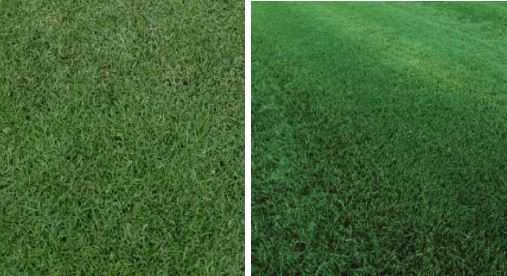
Looking to choose the perfect turf for your yard? Bermuda grass and fescue are two popular options, each with their own perks and quirks. If you’re wondering which one suits your climate and lifestyle better, here’s the quick scoop: Bermuda grass thrives in hot, sunny regions and is incredibly drought-tolerant, making it ideal for busy, warm-weather lawns. Fescue, on the other hand, prefers cooler temperatures, stays green longer in shady spots, and requires more water and maintenance.
In this article, we’ll compare Bermuda grass and fescue to help you decide which grass type fits your needs. Whether you’re aiming for a lush, low-maintenance lawn or trying to endure seasonal changes, understanding the strengths and weaknesses of each will ensure you make the right choice for your outdoor space.

Bermuda Grass vs Fescue: Which Lawn Grass Is Better for Your Yard?
Introduction to Bermuda Grass and Fescue
Bermuda grass and fescue are two popular types of turfgrass used in lawns across many regions. Each grass type has unique features that make it suitable for different climates and lawn needs. Understanding their differences helps homeowners choose the best grass for their yard.
Climate Compatibility
Bermuda grass thrives in warm, sunny environments and can handle high temperatures comfortably. It is often seen in southern states where summers are long and hot.
Fescue, on the other hand, prefers cooler weather and is common in northern regions. It grows well in areas with mild summers and cooler winters, making it a great choice for northern lawns.
Growth Habits and Appearance
Bermuda Grass
- Forms a dense, lush carpet that is perfect for high-traffic areas.
- Has fine to medium blades that give the lawn a smooth look.
- Grows quickly and spreads through stolons and rhizomes.
Fescue
- Features thin, fine blades that create a soft, velvety feel.
- Typically forms clumps rather than spreading aggressively.
- Has a more natural, feathery appearance suitable for shaded areas.
Maintenance and Care
Bermuda Grass
- Requires frequent mowing during peak growth seasons, often every 1 to 2 weeks.
- Needs regular fertilization to stay green and healthy.
- Requires consistent watering but is drought-tolerant once established.
Fescue
- Needs less frequent mowing, usually every 1 week or less.
- Prefers cooler temperatures and needs less fertilizer in fall and winter.
- Maintains moisture well and benefits from regular watering, especially during hot summers.
Shade Tolerance
Fescue has a higher tolerance for shaded environments, making it suitable for yards with large trees or shaded areas.
Bermuda grass struggles in shaded conditions and prefers full sun for optimal growth.
Traffic and Wear Tolerance
Bermuda grass is highly tolerant of foot traffic and can handle heavy use, making it ideal for sports fields and play areas.
Fescue is less tolerant to heavy traffic and can become worn or patchy more easily under frequent foot traffic.
Cold Tolerance and Winter Dormancy
Bermuda Grass
- Becomes dormant in cold weather, turning brown or straw-colored during winter.
- Resumes growth when temperatures warm up in spring.
Fescue
- Remains green through the cold months, especially fine fescue varieties.
- Goes dormant during hot summer months but stays active in cooler seasons.
Soil Requirements
Bermuda grass prefers well-drained soils that are rich in nutrients but can tolerate various soil types.
Fescue grows best in moist, well-drained soils with good organic matter content.
Invasive Potential and Spread
Bermuda grass tends to spread aggressively through stolons and rhizomes, which can make it difficult to control once established.
Fescue, especially finer varieties, tends to grow in clumps with less spreading, making it easier to manage.
Cost of Establishment and Lawn Management
- Bermuda grass seed or sod is generally affordable and easy to establish quickly.
- Fescue may require more careful planting and maintenance, which can add to overall costs.
Both grasses benefit from proper fertilization, aeration, and watering, but Bermuda often demands more intensive care during peak growing seasons.
Environmental Impact
Bermuda grass’s drought tolerance means it can reduce water usage in drought-prone areas.
Fescue’s preference for cooler, moist soils means it may require more water, especially during hot summer months.
Choosing the Right Grass for Your Yard
Consider your local climate, yard shade, foot traffic, and maintenance willingness when choosing between Bermuda grass and fescue. For hot, sunny environments with high traffic, Bermuda is a strong choice. In cooler, shaded, or less trafficked areas, fescue may be better suited.
Summary Table: Bermuda Grass vs Fescue
| Feature | Bermuda Grass | Fescue |
|---|---|---|
| Climate | Warm, sunny | Cool, temperate |
| Growth Rate | Fast | Moderate to slow |
| Shade Tolerance | Low | High |
| Traffic Tolerance | High | Moderate |
| Winter Dormancy | Yes (browns in winter) | Minimal or none (remains green) |
| Maintenance | Higher | Lower |
| Soil Preference | Well-drained, nutrient-rich | Moist, organic-rich |
Related Topics to Consider
- Lawn Irrigation Tips: How to water Bermuda grass and fescue effectively
- Fertilization Schedule: Best practices for fertilizing each grass type
- Pest and Disease Management: Common issues and prevention methods for Bermuda grass and fescue
- Overseeding and Lawn Renovation: When and how to overseed for a healthy lawn
Choosing between Bermuda grass and fescue depends on your specific yard conditions and lifestyle. Both grasses offer benefits and challenges, so evaluate your climate, lawn use, and maintenance commitment. A well-chosen grass type will give you a beautiful, healthy yard that fits your needs perfectly.
Bermuda vs Fescue: Which is better?
Frequently Asked Questions
How does bermuda grass perform in different soil types compared to fescue?
Bermuda grass thrives best in well-drained, sandy or loamy soils and performs well in warmer climates. It establishes quickly and tolerates compacted soils better than fescue. Fescue, on the other hand, prefers cooler, moist soils with good fertility. It adapts well to a variety of soil types but may struggle in overly sandy or poorly drained areas. Overall, bermuda grass tends to grow more aggressively in suitable soils, while fescue requires more consistent moisture and nutrients for optimal growth.
Which grass type requires less maintenance during the growing season?
Bermuda grass generally demands less maintenance during the hot months because it naturally goes dormant in winter, reducing watering and mowing needs in colder seasons. It also recovers quickly from wear. Fescue, however, needs regular watering, fertilization, and mowing throughout its active growing period to stay healthy and lush, especially in hotter weather. Therefore, bermuda grass offers a lower-maintenance option in warm climates, whereas fescue needs more consistent care to maintain its appearance.
How do these grasses handle drought conditions and water usage?
Bermuda grass is highly drought-tolerant once established, thanks to its deep root system. It can survive extended dry periods with minimal watering, making it suitable for regions with water restrictions. Fescue requires more frequent watering, especially during dry spells, to maintain a healthy green appearance. Its shallower roots mean it struggles more in drought conditions without supplemental irrigation. For areas experiencing water scarcity, bermuda grass often proves to be a more sustainable choice.
Final Thoughts
Bermuda grass thrives in warm climates and recovers quickly from damage, making it ideal for high-traffic areas. Fescue prefers cooler weather and maintains its green color longer into the season. Both grasses require different maintenance routines.
Ultimately, choosing between bermuda grass vs fescue depends on your climate and lawn needs. Consider these factors to select the best fit for your outdoor space.