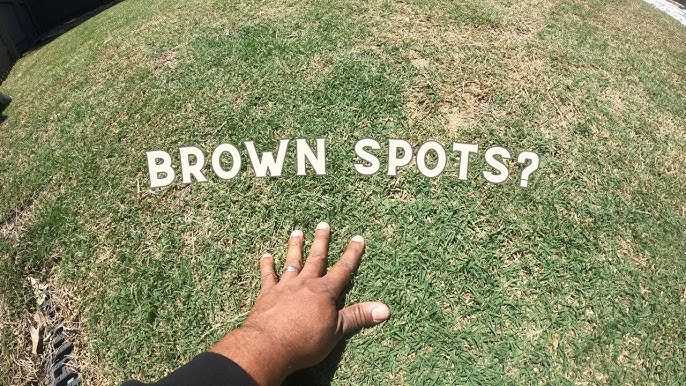
If your Bermuda grass isn’t greening up, don’t panic—there’s likely a simple fix. The key is to identify the cause, whether it’s inadequate watering, poor fertilization, or environmental stress, and address it promptly. A healthy, vibrant Bermuda lawn is achievable with the right care and attention.
In short, Bermuda grass may not be greening up due to factors like improper watering, nutrient deficiency, or temperature stress. Adjusting your watering schedule, fertilizing appropriately, and protecting the grass from extreme weather can help restore its lush green appearance.
When your Bermuda grass stubbornly refuses to turn vibrant green, it can be frustrating. Often, it’s a sign that something in its environment or maintenance routine isn’t quite right. Bermuda grass thrives in warm weather and needs proper watering, fertilization, and soil conditions to stay lush and green. If it’s not greening, you might be overwatering or underwatering, applying the wrong type or amount of fertilizer, or facing adverse weather conditions like cold snaps or drought. Understanding these factors and correcting them swiftly can revive your lawn’s beauty. Let’s explore common causes and simple solutions to get your Bermuda grass back to its emerald glory.

Bermuda Grass Not Greening Up: Causes and Solutions
Understanding Bermuda Grass and Its Growth Cycle
Bermuda grass is a warm-season turfgrass known for its resilience and bright green color during the summer. It thrives in hot climates and grows actively when temperatures are warm. As seasons change, especially in cooler months, Bermuda grass naturally slows down and may turn brown or dormant.
However, if your Bermuda grass isn’t turning green in the spring or after winter, it can be a sign of underlying problems. Knowing how Bermuda grass normally behaves helps you identify issues early. Typically, it should start greening up in late spring when soil temperatures reach around 65 to 70°F.
Common Reasons Why Bermuda Grass Doesn’t Green Up
There are several reasons your Bermuda grass might not be greening up when expected. Salient causes include environmental factors, soil conditions, disease, and improper maintenance. Let’s explore each one in detail.
1. Cold Weather or Extended Winter Dormancy
Bermuda grass is sensitive to cold weather. If winter temperatures are unusually low or prolonged, the grass may stay dormant longer. Often, this results in the grass remaining brown or dull longer than usual in early spring.
2. Insufficient Soil Temperature
Soil temperature plays a vital role. Even if air temperatures rise, if the soil stays cold, Bermuda grass roots won’t activate. This can delay greening and growth. Use a soil thermometer to check if soil temperatures are above 65°F.
3. Poor Soil Drainage or Compaction
Compacted or poorly drained soil can restrict root growth and nutrient uptake. This stresses the grass and delays greening. Aerating the soil can improve drainage and promote healthy root development.
4. Nutrient Deficiencies
A lack of key nutrients, especially nitrogen, can cause grass to stay brown or fail to green up. Conduct a soil test to determine deficiencies and adjust fertilizer applications accordingly. Nitrogen is essential for lush, green growth.
5. Insufficient Watering
Both overwatering and underwatering can harm Bermuda grass. Too little water stresses the grass, making it less likely to green up. Ensure consistent watering, especially during dry spells, to encourage healthy growth.
6. Disease and Pest Problems
Diseases such as dollar spot, brown patch, or leaf spot can prevent the grass from greening. Pests like grubs damage roots, impeding growth. Regular inspections and appropriate treatments can control these issues.
Diagnosing the Issue: How to Determine Why Bermuda Grass Isn’t Greening
Proper diagnosis is key. Start by inspecting the lawn closely:
- Check for patches of dead or brown grass that doesn’t respond to watering.
- Use a soil thermometer to check temperature levels.
- Examine for signs of pests or disease, such as spots, mold, or insects.
- Test soil nutrient levels for deficiencies.
- Assess soil drainage by observing water runoff after rain or watering.
Once you identify the root cause, you can move forward with targeted solutions.
Solutions to Promote Greening of Bermuda Grass
Addressing the underlying causes will help your Bermuda grass turn green again. Here are practical practices and treatments:
1. Adjust Watering Schedule
Ensure the lawn receives about 1 to 1.5 inches of water weekly, either through rainfall or irrigation. Water deeply and infrequently to promote deep root growth. Avoid frequent shallow watering which encourages weak roots.
2. Improve Soil Conditions
Aerate compacted soil to increase oxygen flow. Consider overseeding with Bermuda grass if patches are thin or damaged. Apply organic matter or soil amendments as recommended based on soil test results.
3. Fertilize Appropriately
Apply a balanced fertilizer high in nitrogen to stimulate green growth. Use slow-release fertilizers for sustained nourishment. Follow label instructions for timing and quantity.
4. Manage Pests and Diseases
Use suitable fungicides and insecticides to control active problems. Maintain proper lawn hygiene by removing debris, thatch, and thatch buildup. Regular mowing at the right height also promotes health.
5. Adjust Mowing Practices
Mow Bermuda grass at heights between 1 and 2 inches. Keeping the grass slightly taller during stress periods helps shade roots and conserve moisture. Avoid scalping, which can stress the plant further.
Seasonal Tips for Maintaining a Green Bermuda Lawn
Adjust your lawn care practices seasonally to enhance greening:
- Spring: Gradually increase watering and fertilizing as temperatures warm.
- Summer: Maintain consistent watering and mow regularly to encourage dense growth.
- Fall: Reduce nitrogen to prevent excessive growth and prepare grass for dormancy.
- Winter: Minimize fertilization and avoid unnecessary watering as the grass goes dormant.
Preventive Measures to Keep Bermuda Grass Healthy
Prevention is better than cure. Establish a regular lawn care routine:
- Test soil annually to monitor nutrient levels.
- Aerate soil at least once a year.
- Feed with the right fertilizer schedule based on season and soil needs.
- Monitor for pests and diseases regularly.
- Adjust watering based on weather and soil moisture levels.
Summary of Key Factors Affecting Bermuda Grass Greening Up
| Factor | Effect | Solution |
|—|—|—|
| Cold Weather | Delays greening | Wait for warmer temperatures; use coverings if necessary |
| Soil Temperature | Too cold to activate roots | Use soil heaters or delay fertilization until soil warms up |
| Soil Drainage | Poor drainage slows growth | Aerate and improve soil structure |
| Nutrients | Deficiencies cause dull color | Conduct soil test and fertilize accordingly |
| Watering | Too little or too much stresses grass | Maintain consistent, appropriate watering schedule |
| Pests/Diseases | Damage roots or leaves | Regular inspection, fungicides, and pest control |
Additional Related Topics
Understanding Bermuda grass not greening up can also involve exploring related aspects. These include lawn aeration techniques, soil testing procedures, choosing the right fertilizer, and the importance of proper mowing height. Each of these components builds a healthy, vibrant lawn and prevents issues from developing.
By paying close attention to environmental conditions, soil health, and proper maintenance routines, you can encourage your Bermuda grass to turn a deep green and remain healthy throughout the growing season. Regular care and prompt treatment of issues will ensure your lawn stays lush and inviting.
Bermuda Lawn Care – 5 Basics – For A Nice Green Lawn – Beginners Start Here!
Frequently Asked Questions
What factors can prevent Bermuda grass from greening in the spring?
Several factors can delay or prevent Bermuda grass from greening up, including cold temperatures, insufficient sunlight, and improper fertilization. Cold weather slows down grass growth, so if temperatures remain low, the grass may stay dormant longer. Lack of adequate sunlight can hinder photosynthesis, impacting color development. Additionally, applying too much or too little fertilizer, especially nitrogen, can affect the grass’s ability to produce healthy green shoots.
How does soil quality influence Bermuda grass’s color recovery?
Soil quality plays a vital role in the grass’s ability to recover and turn green. Compacted or poorly draining soil limits root growth and reduces nutrient availability, leading to dull or pale grass. Ensuring the soil has proper aeration, balanced pH levels, and sufficient nutrients promotes healthy root development, which helps Bermuda grass regain its vibrant color faster.
Can improper watering cause Bermuda grass to remain brown during the growing season?
Yes, watering issues directly impact Bermuda grass’s health and color. Overwatering can lead to waterlogged soil, depriving roots of oxygen and encouraging fungal problems. Underwatering stresses the grass and prevents it from accessing necessary nutrients, resulting in a brown or dull appearance. Maintaining a consistent watering schedule that keeps the soil moist but not soaked helps promote healthy, green growth.
What role does pest or disease infestation play in grass discoloration?
Pests and diseases can severely damage Bermuda grass, leading to discoloration or dead patches. Insects such as grubs feed on roots, weakening the grass, while fungal infections can cause browning or patchiness. Proper identification and timely treatment with appropriate pest control or fungicides help protect the grass and restore its natural green hue.
How can I improve drainage to promote better greening of my Bermuda grass?
Improving drainage involves aerating the soil to reduce compaction, adding organic matter, and ensuring proper grading of the lawn. These steps allow excess water to drain away quickly, preventing root rot and promoting healthier root systems. Better drainage creates an optimal environment for Bermuda grass to access nutrients and moisture necessary for vibrant green growth.
Final Thoughts
Bermuda grass not greening up can be frustrating, especially during the growing season. Insufficient sunlight, poor soil health, or improper watering often cause this issue. Addressing these factors quickly helps the grass recover and regain its vibrant color.
Proper fertilization, aeration, and sunlight exposure are key. Regular maintenance encourages healthy growth and keeps your lawn lush.
In conclusion, understanding why Bermuda grass not greening up guides you to effective solutions, ensuring a healthy, green lawn.