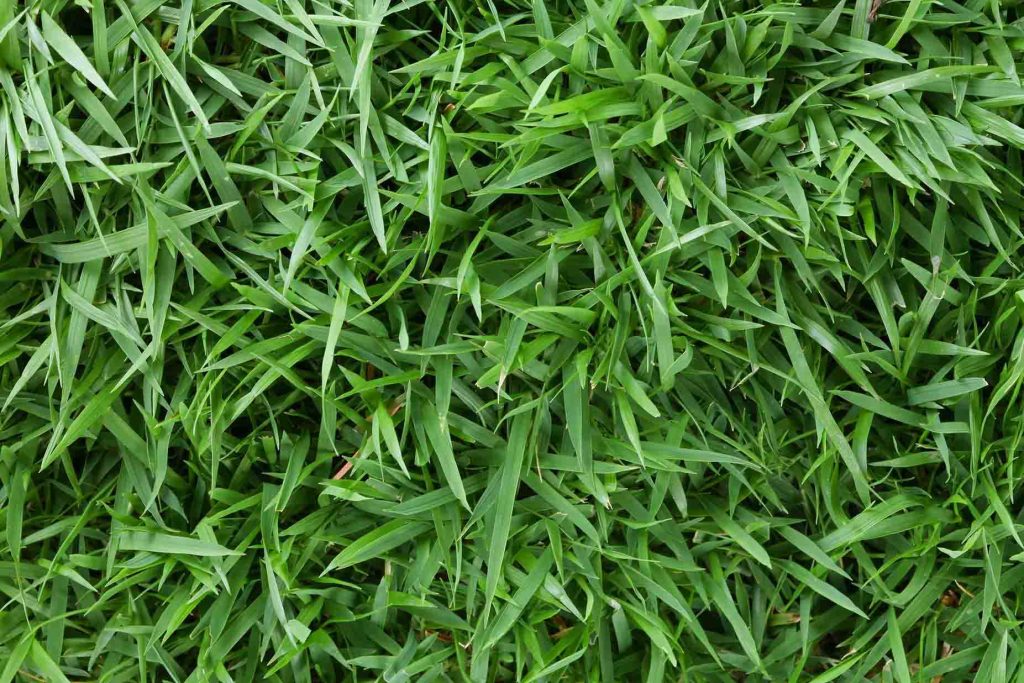
Looking to transform your Nebraska lawn with vibrant Bermuda grass? The good news is that, with proper care and the right variety, Bermuda grass can thrive even in Nebraska’s climate. The key is selecting cold-tolerant Bermuda varieties and providing appropriate maintenance to ensure a lush, healthy lawn.
In short, Bermuda grass can succeed in Nebraska if you choose the right type and follow specific planting and care guidelines. Proper preparation, selection, and ongoing maintenance are essential for a thriving Bermuda lawn in this region.
Bermuda grass is typically associated with warm climates, but with the right approach, it can be a viable option for Nebraska homeowners seeking a durable and attractive lawn. While Nebraska’s cooler temperatures may pose challenges, selecting cold-hardy Bermuda varieties and implementing proper lawn care practices can help your grass flourish. The process begins with understanding the climate, soil conditions, and choosing the best Bermuda type suited for cooler regions. From planting tips to seasonal maintenance, this guide will walk you through how to successfully grow Bermuda grass in Nebraska, ensuring your yard stays green, lush, and vibrant all season long.

Bermuda Grass in Nebraska: Your Complete Guide
Introduction to Bermuda Grass in Nebraska
Bermuda grass is a popular choice for lawns and sports fields because of its durability and lush appearance. Although it thrives in warm climates, many Nebraska residents are interested in planting Bermuda grass. Understanding how this grass adapts to Nebraska’s climate is key to maintaining a healthy lawn.
Climate Conditions in Nebraska and Bermuda Grass Compatibility
Nebraska experiences hot summers and cold winters, which can challenge Bermuda grass growth. While it prefers temperatures above 80°F, Nebraska’s cold winters can cause dormancy in Bermuda lawns. Proper care and planning help keep Bermuda grass healthy during the growing season.
Summer Temperatures and Bermuda Grass
In summer, Nebraska temperatures often reach 85°F to 95°F, ideal for Bermuda grass growth. During these months, Bermuda grass becomes thick and vibrant. It needs about six hours of direct sunlight daily to flourish.
Winter Challenges for Bermuda Grass
Nebraska winters can drop below freezing, which causes Bermuda grass to enter dormancy or die back in some areas. To keep Bermuda grass alive, homeowners often overseed with cool-season grasses or select cold-tolerant varieties.
Choosing the Right Bermuda Grass Varieties for Nebraska
Not all Bermuda grass types are suited for Nebraska’s climate. Selecting the right variety is essential for a resilient and attractive lawn.
Common Bermuda Grass Varieties
- Tift Turf: Known for its drought tolerance and fine texture.
- Tiff Bermuda: A dark green, cold-tolerant option ideal for Nebraska’s transitional zones.
: Such as Santa Ana, which adapt better to cooler climates.
Factors to Consider When Selecting a Variety
- Cold tolerance to survive Nebraska winters
- Sunlight requirements to match your lawn’s exposure
- Drought resistance for water conservation
- Wear tolerance if used for sports fields or high-traffic areas
Planting Bermuda Grass in Nebraska
Planting Bermuda grass involves choosing the right time and method to ensure healthy establishment.
Best Time to Plant Bermuda Grass
Plant Bermuda grass in Nebraska late spring to early summer when soil temperatures reach at least 65°F. This timing allows the grass to establish before the heat of summer.
Seeding vs. Sod
- Seeding: More affordable, requires patience as germination takes 1 to 3 weeks.
- Sod: Immediate results, but more costly and labor-intensive.
Steps for Successful Planting
- Prepare the soil by removing weeds and loosening the topsoil.
- Apply a starter fertilizer to promote root growth.
- Plant seeds or lay sod evenly across the area.
- Water thoroughly and keep consistently moist during establishment.
Caring for Bermuda Grass in Nebraska
Proper maintenance helps Bermuda grass survive Nebraska’s varying climate and thrive year-round.
Watering Needs
Bermuda grass requires about 1 to 1.25 inches of water weekly during the growing season. Deep, infrequent watering promotes deep roots and drought resilience.
Mowing Practices
Set your mower to a height of approximately 1.5 to 2 inches. Regular mowing encourages dense growth and prevents thatch buildup.
Fertilization Schedule
Apply a nitrogen-rich fertilizer every 4 to 6 weeks during the warm months. Use a slow-release formula to sustain growth and color.
Dealing with Cold Temperatures
In fall, gradually reduce watering and mowing. Overseeding with cool-season grasses can help maintain a green lawn in winter.
Dealing with Pests and Diseases in Nebraska
Bermuda grass can face pests and diseases that affect its health, especially in Nebraska’s diverse climate.
Common Pests
- Chinch bugs
- Armyworms
- Grubs
Effective pest control involves proper lawn health and targeted treatments when necessary.
Common Diseases
- Gray leaf spot
- Dollar spot
- Brown patch
Maintaining proper watering, fertilizing, and aeration reduces disease risk.
Advantages of Bermuda Grass for Nebraska Lawns
Bermuda grass offers numerous benefits for homeowners seeking a sturdy, attractive lawn in Nebraska.
Drought Tolerance
Bermuda grass withstands dry conditions better than many cool-season grasses, reducing watering needs.
High Wear Tolerance
It recovers quickly from foot traffic, making it ideal for active households or sports fields.
Low Maintenance
Once established, Bermuda grass requires less frequent mowing and fertilizing compared to other turf types.
Visual Appeal
Its fine texture and dark green color add beauty and uniformity to any lawn.
Challenges and How to Overcome Them
While Bermuda grass has many benefits, it also presents some challenges in Nebraska.
Winter Kill
Cold winters can kill Bermuda grass. Use overseeding with cool-season grasses or select colder-tolerant Bermuda varieties as mitigation strategies.
Thatch Buildup
Too much thatch can hinder water and nutrient penetration. Regular aeration helps manage thatch levels.
Limited Shade Tolerance
Bermuda grass needs full sun. Plant in areas with at least 6 hours of direct sunlight for best results.
Related Topics for Nebraska Lawn Care
- Alternatives to Bermuda grass for cooler areas
- Mixing Bermuda with other grasses for improved resilience
- Water conservation techniques in Nebraska lawns
- Seasonal lawn care tips for Nebraska homeowners
Summary of Key Points
Bermuda grass can thrive in Nebraska if you select the right variety and provide proper care. It offers excellent drought and wear resistance, making it suitable for busy households. However, managing cold winters and shade limitations requires planning and maintenance. With attention to planting time, fertilization, watering, and pest control, Bermuda grass can become a lush, durable lawn in Nebraska’s climate.
By understanding Bermuda grass’s unique needs and adapting your lawn care practices, you can enjoy a vibrant, green lawn throughout the warmer months while managing challenges posed by Nebraska’s seasonal changes.
Bermuda Lawn Care – 5 Basics – For A Nice Green Lawn – Beginners Start Here!
Frequently Asked Questions
Is Bermuda grass suitable for the climate conditions in Nebraska?
Bermuda grass prefers warm temperatures and full sunlight, making it suitable for southern parts of Nebraska during the summer months. However, Nebraska’s colder winters pose a challenge because Bermuda grass goes dormant and may die back in freezing temperatures. If you want Bermuda grass to thrive, consider planting it in areas with milder winter conditions or establishing it in a way that allows for proper winter dormancy management. It is best to overseed or choose cold-tolerant turf options for regions with harsher winters.
What maintenance practices are necessary for Bermuda grass in Nebraska’s climate?
Maintaining Bermuda grass in Nebraska requires regular mowing, typically at a height of 1-2 inches, to promote dense growth and weed control. Ensure consistent watering during the hot, dry summer months, but avoid overwatering to prevent disease. Fertilization should be done seasonally with a balanced fertilizer to support healthy growth. Because of temperature fluctuations, aerating the soil helps improve root development, and overseeding with winter rye can provide a green cover during the colder months.
Can Bermuda grass withstand Nebraska’s drought conditions?
Bermuda grass has good drought tolerance once established, as it develops deep roots that help access moisture from lower soil levels. During Nebraska’s dry summer periods, Bermuda grass can remain green and healthy with proper irrigation and minimal watering. To help your Bermuda grass withstand droughts, water deeply and infrequently, ensuring the soil remains moist but not saturated. Applying mulch around the turf can also help retain soil moisture and reduce water loss.
Are there any specific challenges when growing Bermuda grass in Nebraska?
One primary challenge is managing its dormancy period caused by Nebraska’s cold weather. Bermuda grass goes dormant in winter, turning brown and possibly appearing dead, which can be mistaken for poor health. Additionally, Bermuda grass may struggle to establish in areas with heavy shade or compacted soil. Overcoming these challenges involves selecting the right location with ample sunlight, preparing the soil properly, and possibly overseeding with cold-tolerant grasses for year-round green coverage.
What are the best practices for overseeding Bermuda grass for winter survival?
To improve Bermuda grass’s winter resilience, consider overseeding with cool-season grasses like perennial ryegrass or tall fescue in late fall. This practice provides a green cover during the colder months and helps protect the Bermuda grass from winter damage. Before overseeding, mow the Bermuda grass short, aerate the soil, and apply a seed starter fertilizer. Keep the overseeded area moist until the new grass seedlings establish well, ensuring a healthy transition through winter.
Final Thoughts
Bermuda grass in Nebraska offers a practical choice for lawns due to its drought tolerance and dense growth. It thrives in warm weather, requiring minimal maintenance once established.
However, Nebraska’s colder winters pose challenges for Bermuda grass, which may go dormant during the season.
Selecting the right grass depends on local climate and lawn use.
In summary, Bermuda grass in Nebraska can work well if properly managed and monitored, making it a suitable option for those willing to adapt to seasonal changes.