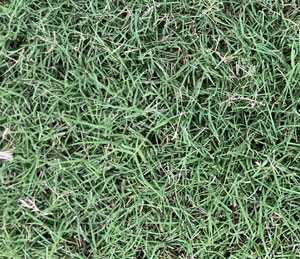
Looking to create a lush, resilient lawn in Arkansas? Bermuda grass is often the go-to choice for homeowners seeking a durable and attractive turf. It thrives in warm climates and stands up well to foot traffic, making it perfect for Arkansas’s hot summers. If you’re wondering whether Bermuda grass is suitable for your yard and how to care for it, you’re in the right place.
Bermuda grass is an excellent option for Arkansas lawns due to its heat tolerance and quick recovery from damage. Proper maintenance, including watering, mowing, and fertilizing, can help you achieve a vibrant, healthy lawn. In this article, we’ll explore everything you need to know about growing and maintaining Bermuda grass in Arkansas, ensuring your yard remains green and inviting year-round.

Bermuda Grass in Arkansas: A Complete Guide to Growing and Maintaining Your Lawn
What Makes Bermuda Grass a Popular Choice in Arkansas?
Bermuda grass is well-loved across Arkansas because of its durability and ability to handle hot, humid summers. It thrives in warm climates and can withstand heavy foot traffic, making it ideal for residential lawns and sports fields. Its fast-growing nature helps it recover quickly from damage, keeping lawns lush and green.
Understanding the Climate and Soil for Bermuda Grass in Arkansas
Arkansas’s climate, characterized by hot summers and mild winters, creates perfect conditions for Bermuda grass to flourish. The soil in most parts of Arkansas is suitable for Bermuda, especially if it has good drainage. Proper soil preparation is essential to ensure healthy growth; often, this involves testing soil pH and amending it if necessary.
Soil Preparation Tips
- Test soil pH and aim for a range of 6.0 to 7.0 for optimal Bermuda grass growth.
- Incorporate organic matter or compost to improve soil fertility.
- Ensure proper drainage to prevent waterlogging, which can damage roots.
Choosing the Right Bermuda Grass Variety for Arkansas
There are different Bermuda grass varieties, each suited for specific needs. Common types include ‘Tifton 85’, ‘Celebration’, and ‘Common Bermuda’. Selecting the right type depends on your lawn’s purpose, such as a sports field versus a decorative yard.
Comparison of Popular Bermuda Grass Varieties
| Variety | Best Use | Growth Rate | Color and Texture |
|---|---|---|---|
| Tifton 85 | Sports fields, high traffic areas | Fast | Dark green, fine texture |
| Celebration | Residential lawns, golf courses | Moderate to fast | Bright green, medium texture |
| Common Bermuda | General use | Fast | Medium green, coarse texture |
Planting Bermuda Grass in Arkansas
Planting Bermuda grass involves either seed or sod. The choice depends on your budget, timeline, and the size of your lawn.
Seeding Bermuda Grass
Seeding is cost-effective but takes longer to establish. It’s best to plant seeds in late spring or early summer. Make sure to spread seeds evenly and keep the soil consistently moist until germination.
Sodding Bermuda Grass
Sod provides instant results, making it a good option for quick lawn establishment. Lay sod in spring or early summer, pressing it down firmly and watering thoroughly. Proper installation ensures a healthy, seamless lawn.
Maintaining Bermuda Grass in Arkansas
Proper maintenance keeps Bermuda grass green and healthy throughout the year. This includes mowing, watering, fertilizing, and aerating.
Mowing Tips
- Keep the height around 1 to 2 inches for optimal growth.
- Regular mowing promotes dense growth and prevents weeds.
- Avoid cutting more than one-third of the grass height at a time.
Watering Guidelines
Bermuda grass needs about 1 to 1.5 inches of water weekly during the growing season. It’s best to water deeply and infrequently to encourage deep root growth. Adjust watering based on rainfall and temperature.
Fertilizing Bermuda Grass
Use a balanced fertilizer with nitrogen, phosphorus, and potassium. Apply fertilizer in late spring and again in mid-summer for healthy, vibrant grass. Over-fertilizing can cause thatch buildup and other problems.
Dealing with Common Bermuda Grass Problems in Arkansas
Despite its resilience, Bermuda grass can face pests, diseases, and weed invasion.
Pests and Diseases
Common pests include armyworms and grubs. Diseases such as dollar spot and leaf spot can affect Bermuda in humid conditions. Regular inspection and proper lawn hygiene help prevent issues.
Weed Control Strategies
Weeds like crabgrass and nutsedge compete with Bermuda grass. Use pre-emergent and post-emergent herbicides carefully, following label instructions to avoid damage to your lawn.
Additional Tips for a Healthy Bermuda Lawn in Arkansas
Other practices include aeration to improve soil compaction, dethatching to remove excess thatch, and overseeding to maintain density. These steps ensure your Bermuda lawn remains lush and weed-free.
Best Time for Lawn Renovation and Overseeding
Spring and early summer are ideal for overseeding Bermuda grass. It gives the new grass time to establish before the cooler months.
Enhancing Lawn Appearance with Edging and Mulching
Use edging tools to create clean borders and mulch around the lawn edges to prevent weed encroachment. Proper landscaping enhances curb appeal and maintains a neat appearance.
Related Topics to Consider
- Water Conservation: Tips on watering efficiently in Arkansas’s climate.
- Winter Care: Preparing Bermuda grass for winter to prevent damage.
- Combining Bermuda with Other Grasses: Creating a diverse lawn for aesthetic appeal and resilience.
Growing Bermuda grass in Arkansas offers a low-maintenance, durable, and attractive lawn solution. By selecting the right type, preparing the soil properly, and following consistent care routines, homeowners and landscapers can enjoy a vibrant, healthy lawn year-round. Proper aeration, fertilization, and pest control keep Bermuda grass thriving in Arkansas’s climate, making it an excellent choice for many outdoor spaces.
Bermudagrass will FRY in the Heat at Lengths Less Than 3”
Frequently Asked Questions
What are the benefits of planting Bermuda grass in Arkansas?
Bermuda grass offers several advantages for Arkansas lawns. It thrives in warm climates and provides dense, green coverage that resists drought and heavy foot traffic. Its deep root system helps it recover quickly from damage, making it an excellent choice for homeowners seeking a durable lawn. Additionally, Bermuda grass requires minimal maintenance once established and adds aesthetic appeal with its uniform, lush appearance.
How do I properly maintain Bermuda grass in Arkansas’ climate?
To maintain Bermuda grass effectively in Arkansas, it’s essential to mow regularly, keeping the height around 1 to 2 inches. Ensure the grass receives at least 1 inch of water weekly, especially during dry periods. Fertilize during the growing season with a balanced nitrogen fertilizer to promote healthy growth. Aerate the soil annually to prevent compaction and control weeds by applying appropriate herbicides at the right time.
What are common challenges when growing Bermuda grass in Arkansas?
One common challenge is managing the grass during the cooler months, as Bermuda can go dormant and turn brown. Overseeding with cool-season grasses can help maintain a green appearance year-round. Another issue involves pest control; pests like mole crickets and grubs sometimes attack Bermuda lawns, so timely intervention with appropriate treatments is necessary. Additionally, improper watering or fertilization can lead to disease susceptibility or uneven growth.
When is the best time to plant Bermuda grass in Arkansas?
The optimal time to plant Bermuda grass in Arkansas is during late spring to early summer when soil temperatures reach at least 65°F. Planting during this period allows the grass to establish before the heat of summer, ensuring strong root development. Avoid planting late in the season, as colder temperatures can hinder germination and growth.
Can Bermuda grass adapt to Arkansas’ soil conditions?>
Bermuda grass adapts well to Arkansas’s soil, which often has good drainage and moderate fertility. Improving soil quality through aeration and fertilization can enhance growth. If the soil tends to be sandy or low in nutrients, applying organic amendments and regular fertilization can support healthy development. Proper soil preparation helps Bermuda grass establish a resilient and vibrant lawn.
Final Thoughts
Bermuda grass Arkansas offers an excellent choice for lawns due to its adaptability and durability. Its drought resistance makes it suitable for Arkansas’s climate, reducing water needs and maintenance. Proper care ensures a lush, green yard that withstands heavy foot traffic.
Choosing the right Bermuda grass variety tailored for Arkansas conditions guarantees a healthy, vivid lawn. Regular watering and fertilization support optimal growth.
In conclusion, bermuda grass Arkansas provides a dependable, low-maintenance solution for homeowners seeking a vibrant outdoor space.