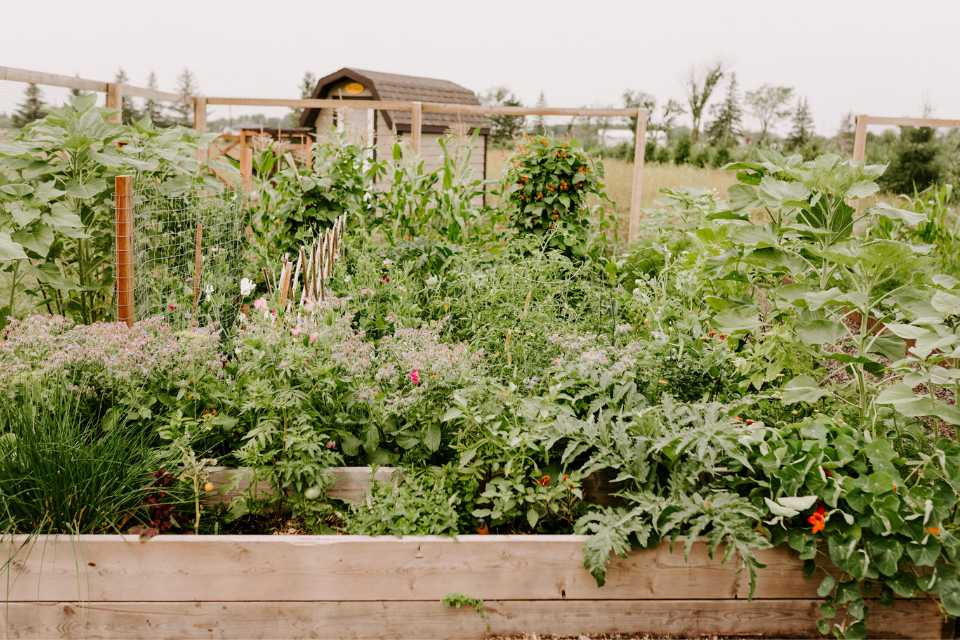
If you’re looking to start your own garden but feel overwhelmed, raised bed gardening might be the perfect solution for you. It’s a simple yet effective way to cultivate your plants, making gardening more accessible for beginners. By elevating your garden beds, you can improve soil quality, enhance drainage, and reduce weeds, all while creating a neat and organized space. In this guide, we’ll walk you through the essentials of raised bed gardening, from choosing the right materials to planning your layout and selecting the best plants. Whether you have a large backyard or a small patio, you’ll find that raised bed gardening can be a rewarding and enjoyable way to grow your own food. Let’s dig in!

Beginners Guide To Raised Bed Gardening
Raised bed gardening is an excellent choice for beginners and seasoned gardeners alike. It involves creating a small garden bed above the natural soil level, filled with quality soil. This method provides many benefits, including better drainage, improved soil quality, and easier access for planting and harvesting. In this guide, we will cover everything you need to know about starting your own raised bed garden, from materials to planting and maintenance.
Choosing the Right Location
Before building your raised bed, selecting the right location is essential. The best spot is one that receives at least six to eight hours of sunlight per day.
– Look for a flat area to ensure proper drainage.
– Avoid places near trees or shrubs, as their roots can compete with your plants for nutrients.
– Ensure easy access to water sources, making it convenient to keep your garden hydrated.
By choosing the right location, your plants will thrive and produce a bountiful harvest.
Materials for Raised Beds
Selecting the right materials is a crucial step in constructing your raised bed. Here are the most common options:
- Wood: Cedar and redwood are naturally resistant to rot, making them excellent choices for raised beds.
- Brick or Stone: Provides a rustic look and durability, but may require more effort to set up.
- Composite Materials: Made from recycled plastics and wood fibers, these are long-lasting and low maintenance.
- Metal: Galvanized steel or corrugated metal can create a modern look but can heat up quickly in the sun, affecting plant roots.
Each material has its pros and cons, so choose one that fits your aesthetic and budget.
Building Your Raised Bed
Once you have your materials, it’s time to build your raised bed. Here’s a simple guide:
1. **Measure the size**: A common size for a raised bed is 4 feet by 4 feet or 4 feet by 8 feet. Make sure it’s no more than 3 feet tall for easy access.
2. **Cut the wood (if using wood)**: Cut your wood to the desired size. Use untreated wood to avoid chemicals leaching into the soil.
3. **Assemble the frame**: Connect the corners securely using screws or brackets. Ensure it’s sturdy.
4. **Position the bed**: Place the bed in your chosen location, leveling the ground if necessary.
5. **Add a weed barrier**: Lay a landscape fabric at the bottom to prevent weeds from coming through while allowing drainage.
Congratulations! Your raised bed is now ready for soil.
Filling the Raised Bed with Soil
Filling your raised bed with the right mixture of soil is vital for plant health. A good mix will provide nutrients, hold moisture, and allow for proper drainage.
Consider the following soil recipe:
– **1 part topsoil**: The base of your soil mix.
– **1 part compost**: Adds nutrients and improves soil structure.
– **1 part peat moss or coconut coir**: Helps retain moisture while improving aeration.
Mix these ingredients thoroughly before filling the bed. This balanced combination supports healthy plant growth.
Choosing Plants for Your Raised Bed
Selecting the right plants depends on various factors such as the climate, season, and your personal preferences. Here are some beginner-friendly options:
- Vegetables: Lettuce, radishes, and carrots are easy to grow.
- Herbs: Basil, parsley, and cilantro thrive in raised beds.
- Flowers: Marigolds and sunflowers can attract beneficial insects.
Plan your garden layout, taking into account the space each plant requires. Group plants based on their growth habits for optimal growth.
Planting Techniques
When planting in raised beds, proper techniques ensure success. Here’s what to keep in mind:
– **Spacing**: Follow the spacing guidelines for each plant to prevent overcrowding.
– **Depth**: Plant seeds or seedlings at the recommended depth to promote healthy growth.
– **Watering**: Water generously after planting to settle the soil around the roots.
Utilizing these techniques will enhance the establishment of your plants.
Watering Your Raised Bed Garden
Proper watering is critical to the success of your garden. Here are tips for effective watering:
– **Frequency**: Aim to water your garden deeply at least once a week, depending on rainfall.
– **Soil Check**: Check the soil moisture by sticking your finger down to your first knuckle. If it feels dry, it’s time to water.
– **Mulching**: Add a layer of mulch to help retain moisture and suppress weeds.
A well-watered garden will flourish and yield better produce.
Pest and Disease Management
Managing pests and diseases is essential for maintaining a healthy garden. Here are some strategies:
- Companion planting: Pair plants that deter pests with those that are vulnerable.
- Hand-picking: Remove visible pests like aphids and caterpillars by hand.
- Natural repellents: Use neem oil or insecticidal soap to treat infestations.
Regular monitoring of your plants will help catch problems early.
Seasonal Maintenance
Maintaining your raised bed throughout the seasons is crucial for continued success. Here are some tasks to keep in mind:
– **Spring:** Prepare your beds by adding compost and planting new crops.
– **Summer:** Keep an eye on watering needs, especially during hot months.
– **Fall:** Harvest your crops and consider planting cover crops to improve soil health.
– **Winter:** Protecting your beds with mulch can prevent erosion and nutrient loss.
Being proactive about maintenance will ensure your garden remains healthy year-round.
Benefits of Raised Bed Gardening
Raised bed gardening offers numerous advantages for both novice and experienced gardeners. Here’s why you should consider this method:
– **Improved Drainage:** Elevated beds allow excess water to drain away, preventing waterlogged soil.
– **Better Soil Quality:** You have control over the soil you use, enabling you to create the best growing conditions.
– **Easier Access:** No need to bend down or kneel, making it easier on your back and knees.
– **Extended Growing Season:** Soil in raised beds warms up faster in spring, allowing for earlier planting.
These benefits make raised bed gardening a valuable choice for all gardeners.
Starting a raised bed garden is a fantastic way to grow your own food and enjoy the process of gardening. With careful planning and maintenance, you can create a thriving garden space. It’s a rewarding experience that brings both beauty and bounty to your home. Happy gardening!
Frequently Asked Questions
“`html
What materials are best for building a raised bed?
When constructing a raised bed, you can use a variety of materials such as untreated wood, composite materials, bricks, or stone. Untreated cedar or redwood works well for wood since these naturally resist rot. Make sure to avoid treated wood, as the chemicals can leach into the soil and affect plant growth.
How deep should a raised bed be for optimal plant growth?
A depth of 12 to 18 inches is ideal for most vegetables and herbs. This depth allows for adequate root growth while providing good drainage and soil health. If you plan to grow root vegetables like carrots or potatoes, consider making the bed deeper, around 24 inches.
What soil type is best for raised bed gardening?
A mixture of high-quality topsoil, compost, and peat moss or coconut coir works best for raised beds. This combination ensures proper drainage, aeration, and nutrient availability. Aim to fill your raised bed with a soil mix that retains moisture while allowing excess water to drain away.
How often should I water my raised bed garden?
Watering frequency depends on factors like climate, plant type, and soil moisture. Generally, raised beds dry out faster than in-ground gardens, so check the soil regularly. Water deeply once or twice a week, ensuring the soil remains moist but not waterlogged.
Can I plant flowers in my vegetable raised bed?
Yes, you can plant flowers in your vegetable raised bed. Incorporating companion flowers, such as marigolds or nasturtiums, can attract beneficial insects and deter pests. Just ensure that the flowers do not overshadow or compete excessively with your vegetable plants for sunlight and nutrients.
“`
Final Thoughts
Raised bed gardening offers an effective way for beginners to cultivate their own plants. It provides better soil drainage and reduces weeds, making it easier to maintain your garden.
Additionally, raised beds can be designed to fit any space and can enhance the aesthetic of your outdoor area.
With this Beginners Guide To Raised Bed Gardening, you can confidently start your gardening journey and enjoy the many benefits it brings. Embrace the process, and soon you’ll see the fruits of your labor thrive.