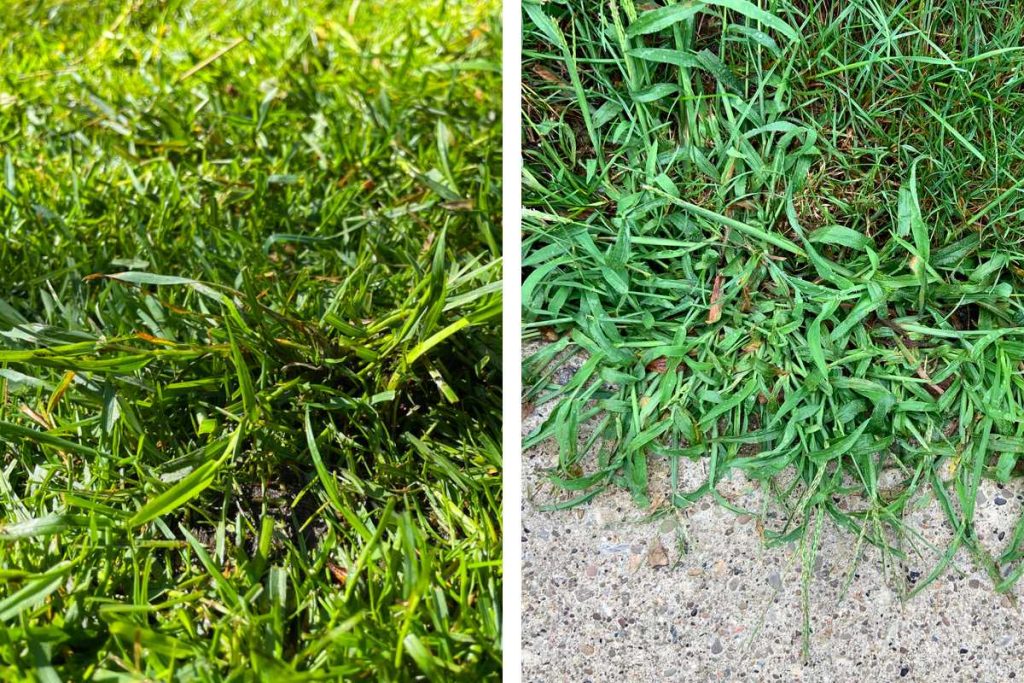
No, crabgrass and quackgrass are not the same; they are distinct types of grass with different characteristics. While they may look similar at a glance, each has unique growth habits and appearances that set them apart. Recognizing these differences can help you properly identify and manage them in your lawn or garden.
Crabgrass and quackgrass are often confused because they both invade lawns and compete with desirable grasses, but they belong to different species. Crabgrass is a warm-season annual that spreads quickly and tends to die off in colder months, whereas quackgrass is a perennial weed that persists year-round and has a more invasive root system. Understanding these differences is key to controlling each effectively and maintaining a healthy, beautiful yard.

Are Crabgrass and Quackgrass the Same Thing?
Understanding the differences between crabgrass and quackgrass is essential for maintaining a healthy lawn or garden. Many people wonder whether these two weeds are interchangeable or if they are distinct types of grasses. In this article, we will explore their characteristics, growth habits, appearance, and ways to control each one. By the end, you will have a clear picture of whether crabgrass and quackgrass are the same and how to manage them effectively.
What Is Crabgrass?
Crabgrass is a common warm-season weed that often invades lawns during hot summer months. It belongs to the *Digitaria* genus, specifically *Digitaria sanguinalis*. Crabgrass is known for its rapid growth and spreading habit, which can quickly take over bare patches of soil.
Characteristics of Crabgrass
Crabgrass has a sprawling, low-growing habit with leaves that are light green and somewhat coarse in texture. Its seed heads resemble a fuzzy, finger-like structure, which is a key identification feature. Crabgrass produces a lot of seed, making it a persistent weed in lawns and gardens.
Growth Habit and Environment
Crabgrass thrives in sandy soils and areas with poor turfgrass coverage. It prefers full sun and warm temperatures, usually sprouting in late spring to early summer. It spreads rapidly through seed dispersal and can also produce new shoots from underground stems called rhizomes.
Impact on Lawns and Gardens
Crabgrass can quickly crowd out desirable grass types, leaving patches that are thin or bare. Its aggressive growth makes it a challenge to control once established. Many homeowners seek to remove crabgrass to promote healthier, lush lawns.
What Is Quackgrass?
Quackgrass, also known as *Elymus repens* or *Agropyron repens*, is a perennial weed that often appears in lawns, fields, and disturbed soils. Unlike crabgrass, it prefers cooler seasons and is considered a stubborn invasive grass.
Characteristics of Quackgrass
Quackgrass has erect, narrow leaves with a rough texture, often featuring a prominent wire-like appearance. Its seed heads are similar to wheat or rye, with a feather-like plume. Quackgrass spreads mainly through underground rhizomes, making it difficult to eradicate.
Growth Habit and Environment
Quackgrass can grow in a variety of soils but prefers moist, fertile ground. It emerges in early spring and continues growing throughout the year in milder climates. Its extensive rhizome network allows it to form dense mats that choke out other plants.
Impact on Lawns and Crops
Quackgrass’s resilient rhizomes enable it to quickly reclaim areas after removal attempts. It often invades lawns, agricultural fields, and disturbed land, causing significant damage by competing with desirable vegetation.
Comparing the Appearance of Crabgrass and Quackgrass
While both are grasses, their physical appearances differ significantly. Crabgrass is a warm-season annual with coarse, light-green leaves that spread out close to the ground. Quackgrass is a perennial with tall, upright shoots and rough-textured leaves.
| Feature | Crabgrass | Quackgrass |
|---|---|---|
| Type | Annual | Perennial |
| Growth Pattern | Sprawling, low to the ground | Upright, tall stems |
| Leaf Texture | Coarse, smooth | Rough, wire-like |
| Seed Head | Finger-like, fuzzy | Feathery, wheat-like |
| Spread Method | Seeds mainly | Rhizomes and seeds |
Differences in Growth Cycles and Seasons
Crabgrass appears in late spring and peaks in summer, fading as temperatures cool. Quackgrass, on the other hand, begins growing early in spring and persists into fall, sometimes surviving mild winters. This seasonal behavior influences how and when to control each weed.
How to Identify Crabgrass and Quackgrass in the Field
Proper identification requires observing several features, including growth habits, leaf shape, and seed heads. For crabgrass, look for its sprawling spread and fuzzy seed heads. Quackgrass can be identified by its tall, upright stems and rough leaves.
Tips for Identification
- Check the growth pattern: Is it sprawling or upright?
- Observe the leaf texture: Smooth or rough?
- Look at the seed heads: Fuzzy finger-like or feathery?
- Note the spreading method: Seeds or rhizomes?
Effective Control Strategies for Crabgrass
Controlling crabgrass begins with maintaining a dense, healthy lawn to prevent seed establishment. Early application of pre-emergent herbicides in spring can stop germination. Post-emergent herbicides are effective once crabgrass appears.
Pre-emergent Herbicides
Applying pre-emergent products before crabgrass seeds germinate is vital. Timing depends on your local climate but generally occurs in early spring. These prevent seeds from sprouting and spreading.
Post-emergent Herbicides
Use post-emergent herbicides designed for crabgrass to target actively growing plants. Follow label directions carefully and consider spot treatment for isolated patches.
Cultural Practices
Maintaining a healthy lawn through proper mowing, watering, and fertilization reduces crabgrass invasion. Taller grass shades soil, inhibiting seed germination.
Control Techniques for Quackgrass
Quackgrass control involves persistent effort due to its extensive rhizomes. Mechanical removal, herbicide application, and cultural practices are commonly used.
Mechanical Removal
Repeated mowing and digging can weaken quackgrass, but complete removal often requires removing rhizomes. Using a sharp garden tool to extract rhizomes is effective if done thoroughly.
Herbicide Application
Glyphosate-based herbicides are effective against quackgrass, especially when applied to actively growing shoots. Multiple applications are often necessary.
Improving Soil and Vegetation
Overseeding with competitive grasses and improving soil health make it harder for quackgrass to establish. Maintaining dense turf prevents rhizome spread.
Summary of Key Differences between Crabgrass and Quackgrass
To recap, here are the main distinctions:
- Type of Plant: Crabgrass is an annual, quackgrass is a perennial.
- Growth Habit: Crabgrass sprawls near the ground, quackgrass grows upright.
- Spread: Crabgrass mainly spreads by seed, quackgrass via rhizomes.
- Appearance: Crabgrass has fuzzy seed heads; quackgrass has feathery seed heads.
Related Topics for Lawn and Garden Care
Maintaining a healthy lawn involves more than just weed control. Consider topics like soil testing, proper fertilization, mowing height, and watering schedules to keep your grass strong against weeds.
Understanding Grass Species
Identifying the type of grass in your yard—cool-season or warm-season—helps determine the best management practices. Knowledge about grass species aids in selecting effective weed control methods.
Timing and Prevention Methods
Preventative actions such as aeration, overseeding, and applying pre-emergent herbicides can significantly reduce weed problems. Regular lawn maintenance is key to prevention.
Integrated Weed Management
Combining cultural, mechanical, and chemical controls provides the best results. Consistent effort and early intervention make weed management more manageable.
Recognizing whether crabgrass and quackgrass are the same or different helps you choose the right control methods. Remember, proper identification and timely action are crucial for a healthy, weed-free lawn.
Quack Grass vs Crab Grass 🌾❓🌵 What is the difference and how do you get rid of them?
Frequently Asked Questions
How do crabgrass and quackgrass differ in appearance?
Crabgrass and quackgrass exhibit distinct physical traits that help identify them. Crabgrass has a lighter green color with broad, flat blades and spreads in a sprawling pattern, often forming dense patches. Quackgrass, on the other hand, features bluish-green blades that grow upright and can reach higher heights. Its leaves are narrower and have a rough texture. Recognizing these visual differences allows for easier identification and targeted control.
What are the typical growth habits of crabgrass compared to quackgrass?
Crabgrass tends to grow quickly during the warm months, forming low, spreading mats on the soil surface. It reproduces mainly through seed production and can actively invade both lawns and gardens. Quackgrass grows more slowly but develops extensive underground rhizomes, enabling it to establish dense root systems that spread horizontally beneath the soil. Its persistent rhizomes make it difficult to eradicate once established.
Are there differences in the control methods suitable for crabgrass versus quackgrass?
Yes, control methods vary for each weed. Crabgrass responds well to pre-emergent herbicides applied before its seeds sprout and to post-emergent herbicides that target actively growing plants. Maintaining a healthy, dense lawn can also inhibit its growth. Quackgrass requires more persistent management, often involving the removal of rhizomes, use of specific herbicides, and regular digging to prevent regrowth. Consistent monitoring and integrated weed management strategies are essential for controlling quackgrass effectively.
Do crabgrass and quackgrass thrive under similar environmental conditions?
Both weeds prefer warm weather, but they have different environmental preferences. Crabgrass thrives in full sun and well-drained soils with low to moderate fertility. It often appears in disturbed areas and thin lawns. Quackgrass favors slightly cooler conditions and can tolerate a range of soil types, including poorer soils. It tends to invade undisturbed areas with moist, fertile soil, making it more persistent in certain environments.
Can crabgrass and quackgrass be distinguished early in their growth stages?
Early in their development, distinguishing between crabgrass and quackgrass can be challenging. Crabgrass emerges quickly as small, spreading patches with broader leaves, often in mid to late spring. Quackgrass appears as narrow, upright blades that grow more slowly and develop a bluish tint over time. Observing growth patterns, leaf shape, and the overall spread helps identify each weed during its early stages.
Final Thoughts
Crabgrass and quackgrass are often confused, but they are distinct weed species. Crabgrass is a warm-season annual often found in lawns, while quackgrass is a perennial with a deep root system. Each requires different management strategies for control.
Are crabgrass and quackgrass the same thing? No, they are not. Understanding their differences helps in choosing the right treatment to keep your lawn healthy and weed-free.