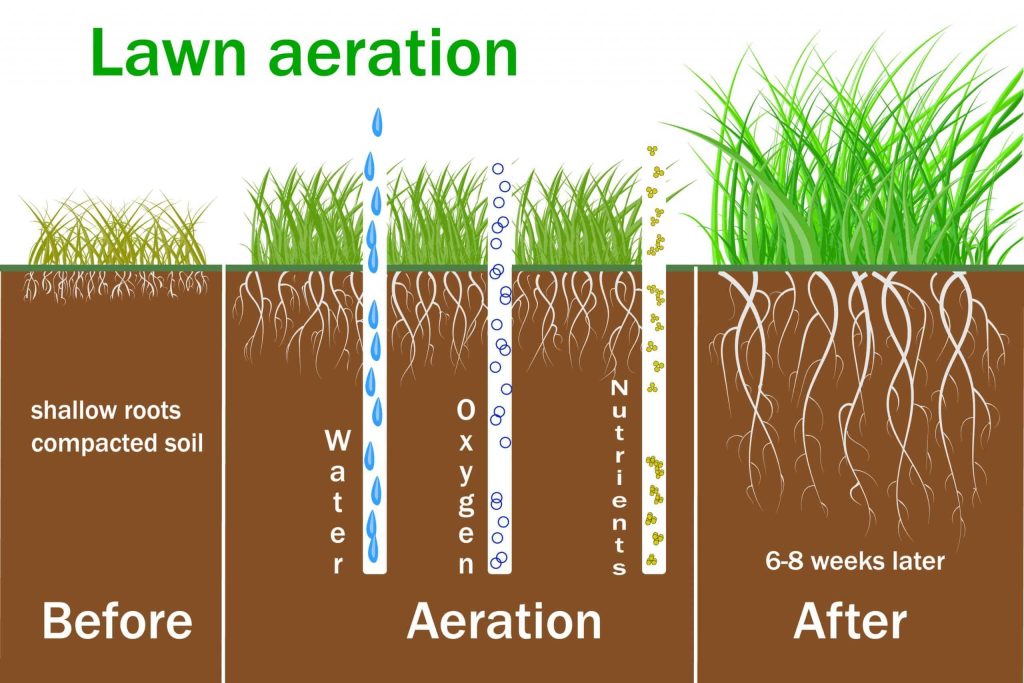
Are you struggling with compacted soil while trying to maintain your Zoysia grass? Aerating your lawn is a fantastic solution that can help improve soil health and promote better grass growth. By creating small holes in the soil, you allow air, water, and nutrients to reach the grassroots more effectively, breaking up compacted areas. Plus, it’s a relatively easy process that can make a significant difference. In this article, we’ll explore essential tips for aerating Zoysia grass, particularly in compacted soils, ensuring you have a lush, green lawn that thrives even in challenging conditions. Let’s dive into how you can revitalize your Zoysia grass and achieve that vibrant yard you’ve always wanted!

Aerating Zoysia Grass Tips for Compact Soils
Maintaining a lush, healthy lawn with Zoysia grass can be challenging, especially in compact soils. Compact soil can hinder the growth of roots, reduce nutrient and water absorption, and lead to a patchy lawn. Aerating is a crucial step in ensuring that your Zoysia grass thrives, and here are some tips to help you aerate effectively.
Understanding Compact Soils
Before aerating, it’s essential to understand what compact soils are. Compact soils are tightly packed, which limits the space for air, water, and nutrients to reach plant roots. Factors causing soil compaction include heavy foot traffic, poor drainage, and the natural settling of soil over time.
Identifying compact soils is straightforward. If the ground feels hard underfoot or if water sits on the surface after rain, these are clear signs of compaction.
Benefits of Aerating Zoysia Grass
Aerating your Zoysia grass can offer numerous benefits:
- Improved root growth
- Enhanced water absorption
- Better nutrient availability
- Reduced thatch buildup
- Increased resilience to drought
Each of these benefits contributes to a vibrant lawn that can withstand environmental stresses.
When to Aerate Zoysia Grass
Timing is crucial for successful aeration. The best time to aerate Zoysia grass is during its active growth season, which typically occurs in late spring or early summer. This allows the grass to recover quickly from the aeration process.
Avoid aerating during extreme temperatures, either hot or cold, as this can stress the grass.
Tools for Aeration
Several tools can help you aerate effectively:
- Spike aerators: Create holes in the soil using spikes. They are easier to use but may not be as effective.
- Core aerators: Remove plugs of soil, allowing for better air exchange. These are usually more effective for compact soils.
- Manual vs. motorized aerators: Choose based on the size of your lawn. Motorized aerators are faster for larger areas.
Using the right tool makes a significant difference in the aeration process.
Preparing Your Lawn for Aeration
Preparation can ensure a smooth aeration process. Start by mowing the lawn to a shorter height. This step makes it easier to reach the soil when aerating.
Next, water the lawn a day before aeration. Moist soil is more pliable, allowing the aerator to penetrate more easily. Avoid aerating in overly dry or saturated conditions to maintain effectiveness.
How to Aerate Zoysia Grass
Aerating can be done in a few simple steps:
1. Begin at one corner of your lawn and work your way across in straight lines.
2. Use a core aerator for the best results, aiming for holes spaced approximately 4 to 6 inches apart.
3. Focus on high-traffic areas or spots where water tends to pool, as these often indicate compaction.
After you finish aerating, leave the cores on the lawn. They will break down and provide nutrients back to the soil.
Post-Aeration Care
After aerating, your Zoysia grass needs some extra attention:
- Water the lawn well to help the grass recover and to encourage roots to grow into the aeration holes.
- Apply a thin layer of compost or topsoil to improve nutrient content.
- Fertilize with a balanced, slow-release fertilizer to support healthy growth.
These steps will facilitate quicker recovery and enhance the benefits of aeration.
Maintaining Healthy Soil After Aeration
Once you’ve aerated, it’s essential to maintain healthy soil conditions. Regularly monitor soil moisture and avoid overwatering, as too much water can lead to further compaction.
Additionally, consider implementing practices like rotating heavy foot traffic areas or using pathways to prevent compaction. Adding organic matter to the soil, such as compost, can also help improve soil structure over time.
Seasonal Aeration Schedule
Establishing a seasonal aeration schedule can provide long-term benefits.
– In the spring, begin with the initial aeration to promote growth.
– Follow up in the fall with another round if compacted areas are observed.
This routine helps keep your Zoysia grass healthy and thriving throughout the year.
Signs Your Lawn Needs Aeration Again
Keep an eye out for signs that indicate it may be time for another aeration. These signs include:
- Dry patches where grass isn’t growing well.
- Difficulty pushing a spade or fork into the soil.
- Pooling water in certain areas after rain.
Addressing these signs promptly can save you time and effort in the long run.
Incorporating Soil Amendments
Soil amendments can boost the effectiveness of aeration. Products like gypsum can help break up compacted clay soils.
Compost is another excellent amendment that adds vital nutrients to the soil. Incorporate these amendments post-aeration for ideal results.
Environmental Considerations
Always consider the environment when aerating. Avoid using heavy equipment that may compact the soil further.
Utilizing manual tools can limit disturbance and promote sustainability. This approach helps maintain a healthy ecosystem in your lawn.
In addition, be mindful of local wildlife and plants during the process. Respect the natural balance and biodiversity of your yard.
Aerating your Zoysia grass on compact soils does not have to be a daunting task. By following these tips and practicing regular maintenance, you can ensure a vibrant lawn. With the right timing, tools, and care, your Zoysia grass will thrive, transforming your outdoor space into a verdant oasis. Enjoy the process and take pride in your beautiful lawn!
Topdressing a Zoysia Lawn with Comand Organic Soil
Frequently Asked Questions
What are the signs that my Zoysia grass needs aeration?
If your Zoysia grass appears thin, has poor drainage, or shows signs of stress during dry periods, it likely needs aeration. Other indicators include soil compaction, which is evident if the ground feels hard when walked on or if water tends to pool rather than soak into the soil. Additionally, if your grass struggles to grow despite regular watering and fertilization, aeration can be beneficial.
When is the best time to aerate Zoysia grass?
The ideal time to aerate Zoysia grass is during the growing season, specifically in late spring or early summer. This timing aligns with the grass’s natural growth cycle, allowing it to recover quickly after aeration. Aerating when the grass is actively growing promotes better healing and encourages the development of new roots.
How often should I aerate my Zoysia grass?
Aerating Zoysia grass once a year is typically sufficient for most lawns, especially if the soil tends to compact easily. However, if you notice ongoing issues with compaction or poor drainage, consider aerating more frequently, possibly every six months. Regular aeration helps maintain healthy soil and promotes robust grass growth.
What are the different methods of aerating Zoysia grass?
You can aerate Zoysia grass using several methods, including core aeration and spike aeration. Core aeration removes plugs of soil and thatch from the lawn, which allows air, water, and nutrients to penetrate deeper into the soil. Spike aeration involves using a tool to create holes in the soil without removing any plugs. While both methods can be effective, core aeration generally provides better results for compacted soils.
Should I fertilize my Zoysia grass after aeration?
Yes, fertilizing Zoysia grass after aeration is beneficial. Aeration opens up the soil, making it easier for nutrients to reach the roots. Applying a balanced fertilizer after aerating can encourage healthy growth and recovery. Ensure you follow the recommended application rates based on your soil’s nutrient content to avoid over-fertilization.
Final Thoughts
Proper aeration significantly improves Zoysia grass health in compact soils. Using a core aerator can help relieve compaction and enhance water and nutrient absorption. Regularly aerate during the growing season to maintain a thriving lawn.
Implementing these aerating Zoysia grass tips for compact soils will ensure your lawn remains lush and resilient. Remember that timing and technique are key to achieving the best results. Consistent care leads to a green, healthy yard that you can enjoy year-round.