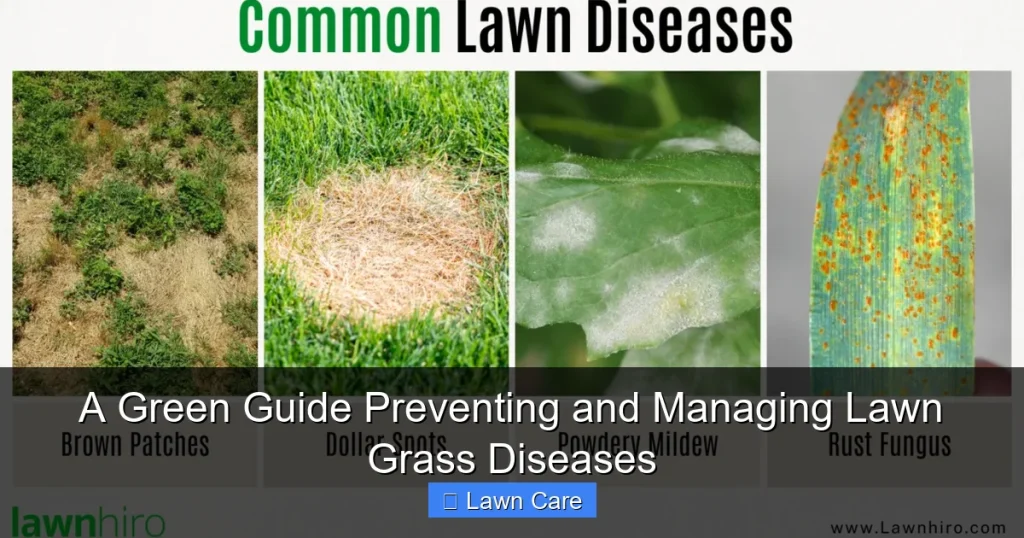
Preventing and managing lawn grass diseases is key to a healthy, beautiful lawn. This guide offers practical, eco-friendly strategies focusing on proper care, soil health, and early detection. Learn how to create an environment where your grass thrives and diseases struggle to take hold.
Having a lush, green lawn is a dream for many homeowners. It’s the perfect spot for outdoor activities, a beautiful backdrop for your home, and a source of pride. But sometimes, our beautiful green carpets can fall victim to unwelcome guests: lawn grass diseases. These can turn vibrant blades into unsightly patches, leaving you frustrated and wondering what went wrong. Don’t worry, though! Preventing and managing lawn grass diseases doesn’t have to be a battle fought with harsh chemicals. With a little know-how and a focus on healthy lawn practices, you can keep your grass looking its best.
This guide is all about taking a green approach. We’ll dive into how to create an environment where your lawn naturally resists diseases, rather than just treating the symptoms when they appear. Think of it as building your lawn’s immune system. We’ll cover everything from understanding your soil to adopting smart watering and mowing habits. Get ready to transform your lawn care routine into a proactive, eco-friendly strategy for a consistently healthy and vibrant lawn.
- Healthy Soil is Foundational: Good soil drainage and aeration are crucial for preventing root diseases.
- Proper Watering Techniques: Watering deeply and infrequently, preferably in the morning, reduces disease risk.
- Smart Mowing Practices: Mowing at the correct height and keeping blades sharp promotes strong grass growth.
- Right Grass for the Right Place: Choosing a grass type suited to your climate and conditions boosts resilience.
- Integrated Pest Management (IPM): Focus on prevention and cultural controls before resorting to chemical treatments.
- Early Detection is Key: Regularly inspect your lawn for signs of disease to catch problems early.
Quick Answers to Common Questions
What is the most common cause of lawn diseases?
Fungal pathogens are the most common cause of lawn diseases. They thrive in conditions like excessive moisture, poor air circulation, and when the grass is stressed.
How often should I water my lawn to prevent disease?
Water deeply and infrequently, aiming for the early morning. This encourages deep root growth and allows the grass to dry during the day, reducing fungal risks.
Can mowing practices contribute to lawn diseases?
Yes, mowing too short, using dull blades, or leaving thick clumps of grass clippings can stress the grass and create entry points for diseases.
What does “Integrated Pest Management” mean for lawn care?
IPM means using a combination of methods like proper cultural practices (watering, mowing), biological controls, and chemicals only as a last resort to manage lawn problems.
How do I know if my lawn has a disease or another problem?
Look for distinct symptoms like discolored patches, spots on blades, wilting, or unusual growth. If unsure, consult local resources or a professional lawn care specialist.
📑 Table of Contents
Understanding Lawn Diseases: The Silent Saboteurs
Before we can fight lawn grass diseases, it’s helpful to know what we’re up against. Lawn diseases are typically caused by fungi, although bacteria and viruses can also be culprits. These microscopic organisms thrive in specific conditions, and unfortunately for our lawns, those conditions often align with common lawn care practices or weather patterns. Fungal diseases often take advantage of environmental stressors like drought, excessive heat, poor drainage, or even just overly wet conditions. They can manifest in many ways, from discolored patches and wilting to strange spots or fuzzy growth on the grass blades.
Common Disease Triggers
Several factors can make your lawn more susceptible to disease:
- Excessive Moisture: Overwatering or poor drainage creates a breeding ground for fungal pathogens.
- Poor Air Circulation: Densely planted areas or overgrown shrubs can trap moisture and reduce airflow, favoring disease.
- Improper Mowing: Mowing too short, using dull blades, or leaving grass clippings in thick clumps can stress the grass and spread disease.
- Nutrient Deficiencies: A lawn lacking essential nutrients is weaker and less able to fight off infections.
- Soil Compaction: Compacted soil restricts root growth and water penetration, making the grass vulnerable.
- Incorrect Grass Type: Planting a grass variety that isn’t suited to your climate or soil conditions will make it struggle.
Recognizing the Signs
Early detection is crucial when dealing with lawn grass diseases. The sooner you spot a problem, the easier it is to manage. Look out for:
- Discolored Patches: These can be brown, yellow, red, or even bluish-gray and may appear in circles, arcs, or irregular shapes.
- Spots on Blades: Small, distinct spots of varying colors and shapes on the individual grass blades.
- Wilting or Browning: Grass that appears to be wilting or turning brown, even when watered, can be a sign of root disease.
- Fuzzy or Powdery Growth: A white, powdery residue on the grass blades or a fuzzy, web-like growth can indicate specific fungal diseases.
- Rings or Rings of Different Growth: Some diseases create distinct rings where the grass is dead or growing differently.
Building a Resilient Lawn: Prevention is Key
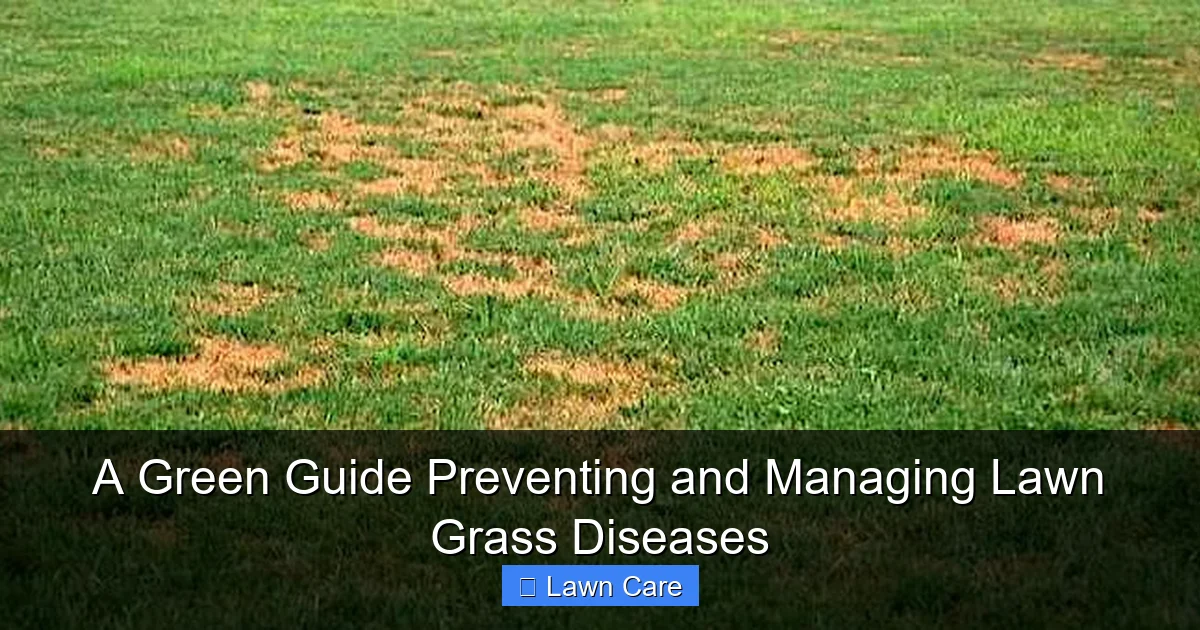
Visual guide about A Green Guide Preventing and Managing Lawn Grass Diseases
Image source: ridaway.com
The best way to manage lawn grass diseases is to prevent them from taking hold in the first place. This involves creating a healthy lawn ecosystem that naturally resists disease. It’s about fostering strong, healthy turf from the roots up.
The Power of Healthy Soil
Your soil is the foundation of a healthy lawn. Good soil promotes strong root development, which is the first line of defense against many diseases.
- Improve Drainage: If your lawn stays soggy after rain, consider adding amendments like compost or sand to improve drainage. You might also need to investigate installing a lawn drain to manage excess water.
- Aerate Regularly: Core aeration helps to relieve soil compaction, allowing air, water, and nutrients to reach the root zone. This is particularly important for high-traffic areas or heavy clay soils. Consider core aeration and overseeding to revitalize compacted areas.
- Feed Your Soil: Healthy soil is teeming with beneficial microbes. Using organic matter and natural fertilizers can boost microbial activity and improve soil structure. Explore options for creating a lush lawn using natural fertilizers.
Choosing the Right Grass
Selecting the right grass type for your region is a game-changer. Grasses that are well-suited to your local climate and soil conditions are naturally more vigorous and resistant to pests and diseases.
- Climate Considerations: Cool-season grasses like Fescue and Ryegrass thrive in cooler climates, while warm-season grasses like Bermuda and Zoysia prefer warmer temperatures. Research the best lawn grass types for your climate.
- Sunlight and Shade: Some grasses tolerate shade better than others. Make sure the grass you choose can handle the amount of sun your lawn receives.
- Disease Resistance: Many grass varieties have been bred for improved disease resistance. Look for these traits when selecting seed or sod. For example, Zoysia grass is known for its resilience.
Smart Lawn Care Practices for Disease Prevention
Once your soil is in good shape and you have the right grass, consistent, smart lawn care practices will keep your lawn healthy and disease-free. These are the everyday habits that make a big difference.
Water Wisely
Watering is essential, but doing it incorrectly can invite disease.
- Water Deeply and Infrequently: Encourage deep root growth by watering thoroughly when needed, rather than shallowly every day. Aim to moisten the soil several inches down.
- Morning Watering is Best: Watering in the early morning allows the grass blades to dry off during the day, reducing the window for fungal spores to germinate. Avoid watering in the evening, as this leaves moisture on the grass overnight. Check out lawn watering schedules and techniques for more insights.
- Avoid Overwatering: Soggy soil is a disease magnet. Ensure your irrigation system is not applying too much water, and consider how rainfall contributes to your watering needs.
Mow for Health, Not Just Looks
Mowing is a regular task, but how you do it impacts your lawn’s health.
- Maintain the Right Height: Mowing too short stresses the grass, making it vulnerable. Taller grass shades the soil, keeping it cooler and moister, and helps to outcompete weeds. Consult guides on lawn mowing techniques to find the ideal height for your grass type.
- Keep Blades Sharp: Dull mower blades tear grass, creating ragged edges that are prone to disease and look unsightly. Sharpen your blades regularly. This also ensures a cleaner cut and less stress on your lawn mower after cutting grass.
- Vary Mowing Patterns: Don’t mow in the exact same direction every time. Alternating your mowing pattern can prevent soil compaction and reduce wear on the grass. Learn about the role mowing pattern plays in water retention.
- Mulch or Bag Clippings: Fine grass clippings, when left on the lawn, can decompose and return nutrients to the soil. However, if they are thick and clumpy, they can smother the grass and create conditions for disease.
Fertilize Appropriately
A well-nourished lawn is a strong lawn.
- Follow a Schedule: Fertilize based on your grass type’s needs and the season. Over-fertilizing, especially with high-nitrogen fertilizers in hot weather, can stress the grass and make it more susceptible to disease. For a good starting point, follow the best fertilization schedule.
- Choose the Right Fertilizer: Consider slow-release fertilizers and those that promote strong root growth. Organic options are also excellent for improving soil health over time.
- Test Your Soil: A soil test can tell you exactly what nutrients your lawn is lacking, helping you fertilize more effectively and avoid guesswork.
Managing Lawn Diseases When They Appear
Despite your best preventive efforts, sometimes lawn grass diseases can still emerge. The key is to act quickly and use the least invasive methods possible.
Integrated Pest Management (IPM) Approach
IPM is a philosophy that prioritizes prevention and uses a combination of techniques to manage problems with minimal environmental impact.
- Cultural Controls: These are the practices we’ve already discussed – proper watering, mowing, fertilizing, and improving soil health. They are the first line of defense.
- Biological Controls: In some cases, beneficial microbes or insects can help keep disease-causing organisms in check. This is an area of ongoing research and development.
- Chemical Controls (Use Sparingly): If cultural and biological methods aren’t enough, you might consider fungicides. Opt for targeted treatments and follow label instructions precisely. Always choose products labeled as safer for the environment when possible. A guide to common lawn diseases and their treatments can help you identify and select the right product.
Identifying Specific Diseases
Accurate identification is critical for effective treatment. If you spot an unusual symptom, try to pinpoint the disease.
- Common Fungal Diseases: Familiarize yourself with common culprits like brown patch, dollar spot, red thread, and powdery mildew. Each has unique visual characteristics and preferred environmental conditions.
- Consult Resources: Local extension offices, reputable lawn care websites, and even your garden center can offer identification assistance. Sometimes, a photo is enough for them to help you identify common lawn diseases and how to treat them.
Treatment Strategies
Once identified, treatment often involves a combination of approaches:
- Adjust Cultural Practices: If you water too much, reduce watering. If the lawn is too thick, consider dethatching. Sometimes, simple adjustments can make a world of difference.
- Improve Airflow: Pruning nearby shrubs or trees can improve air circulation over the affected area.
- Apply Fungicides (as a last resort): If the disease is severe or spreading rapidly, a targeted fungicide application might be necessary. Read the label carefully and apply according to the instructions.
When to Seek Professional Help
Sometimes, lawn problems can be complex or persistent. If you’ve tried the green guide’s recommended practices and are still struggling, it might be time to call in the experts.
Signs You Might Need a Pro
- Widespread or Rapidly Spreading Disease: If a disease is covering a large portion of your lawn or spreading very quickly, it can be hard to manage on your own.
- Persistent Problems: If you’ve tried various solutions and the disease keeps returning, a professional might have access to more advanced diagnostic tools or treatments.
- Unsure of the Cause: If you can’t identify the problem or are unsure of the best course of action, a professional can accurately diagnose the issue.
- Time Constraints: Lawn care, especially dealing with diseases, can be time-consuming. If you don’t have the time, a professional service can ensure consistent care.
Conclusion: A Greener Lawn for a Greener Future
Preventing and managing lawn grass diseases is an ongoing process, but it’s a rewarding one. By focusing on building a healthy lawn ecosystem – through good soil, the right grass, and smart care practices – you create a resilient turf that can naturally ward off many common ailments. Embracing this green approach not only keeps your lawn looking its best but also reduces the need for chemical interventions, benefiting your family, pets, and the environment.
Remember, a healthy lawn is a testament to good stewardship. It takes observation, patience, and a commitment to consistent, thoughtful care. With the strategies outlined in this guide, you’re well on your way to enjoying a vibrant, disease-resistant lawn that you can be proud of for years to come. So, go forth, nurture your turf, and enjoy the beauty of a truly green lawn!
Frequently Asked Questions
What are the main signs of lawn disease I should look for?
Common signs include discolored patches (brown, yellow, red), spots on grass blades, wilting even when watered, or powdery or fuzzy growth on the grass.
Is it better to water my lawn in the morning or evening?
Morning watering is best. It allows the grass blades to dry throughout the day, which helps prevent fungal diseases from taking hold overnight.
How can I improve my soil to prevent lawn diseases?
Improving soil involves ensuring good drainage, aerating regularly to relieve compaction, and enriching it with organic matter to promote healthy root growth and microbial activity.
What is the best way to prevent lawn diseases naturally?
Focus on maintaining a healthy lawn through proper watering, mowing at the correct height, fertilizing appropriately, and choosing grass varieties suited to your climate. Healthy grass is naturally more resistant.
When should I consider using a fungicide on my lawn?
Fungicides should be considered a last resort after trying cultural and preventive methods. Use them only when a specific disease is identified and is causing significant damage.
Can choosing the right grass type help prevent diseases?
Absolutely. Selecting grass varieties that are well-suited to your climate, soil type, and sunlight conditions will result in a stronger, more resilient lawn that is less susceptible to common diseases.